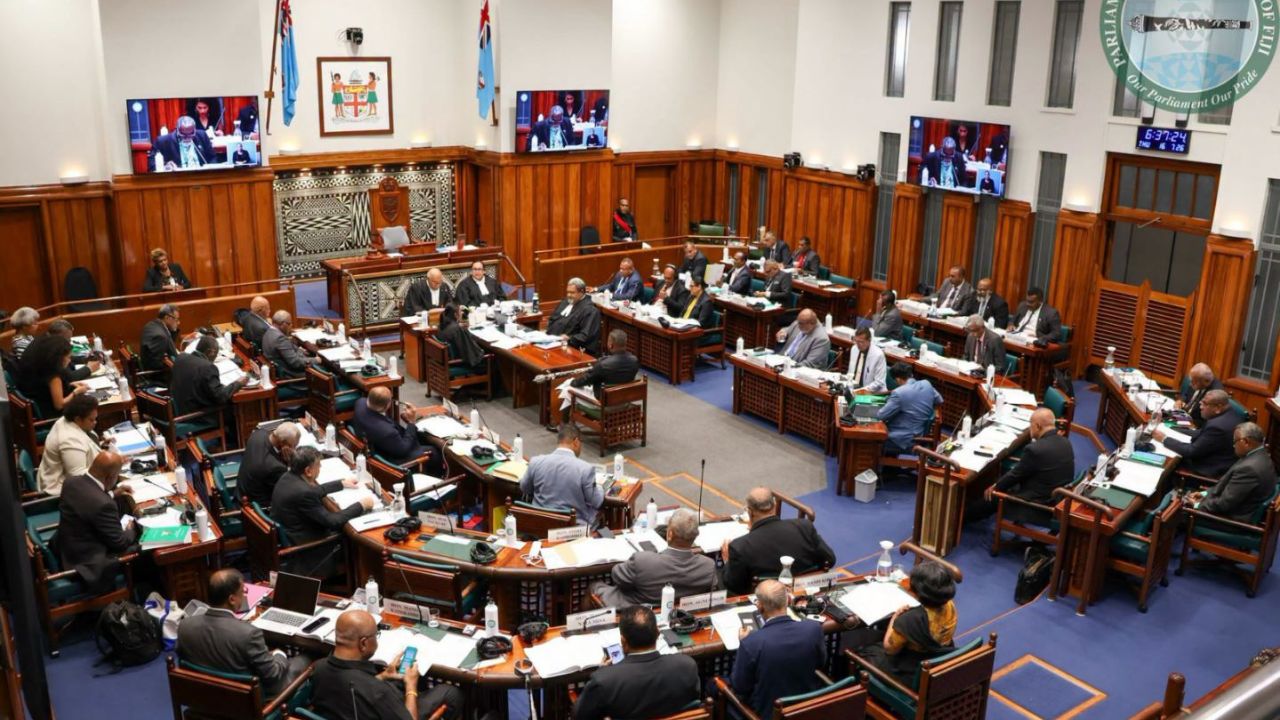
Fiji could have a new Constitution in place by 24 December 2026 if Parliament approves the proposed changes and they pass a referendum, as the Government moves the constitutional review into its next phase.
Cabinet has endorsed the tabling of the Constitution Review Commission’s Report in Parliament and supported a special sitting on 22 September.
The Commission, established in March 2026, conducted nationwide consultations, received written and collective submissions, engaged stakeholders and reviewed constitutional, legal and policy materials.
It submitted its Report and Draft Constitution Bill to President Ratu Naiqama Lalabalavu on 31 August.
The Report sets out proposed constitutional reforms aimed at strengthening democratic governance, accountability and constitutional institutions, based on the Commission’s review of the 2013 Constitution and views gathered during its consultations.
Cabinet has made clear that tabling the Report does not amount to accepting or adopting all of the Commission’s recommendations.
The Cabinet Subcommittee on the Review of the Constitution will continue examining the proposals, including their legal, practical and policy implications, before reporting back to Cabinet on the way forward.
It will also consider transitional arrangements that may be required if constitutional changes are approved.
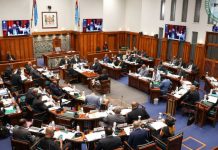
Under the proposed timetable, Parliament will debate the Commission’s report during the sitting beginning 28 September.
Subject to passage of the Draft Constitution Bill and completion of the required parliamentary processes, the Government proposes holding a referendum between November and mid-December.
The proposed new Constitution would come into effect by 24 December 2026 if it is approved through the required processes.
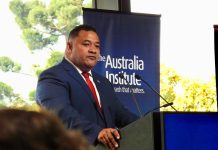
Opposition MP Ketan Lal has questioned the compressed timetable, saying fundamental changes to Fiji’s supreme law require more time for public scrutiny and debate.
“I strongly object to any attempt to rush fundamental changes to Fiji’s Constitution through Parliament and into a referendum within the space of just a few months,” Lal said.
He said consultation conducted during the review process should not be treated as consultation on the final constitutional text.
“Once Government decides which recommendations it accepts, rejects or changes, that proposed text must go back to the people for genuine and extensive consultation,” he said.
Lal called for further consultations across Fiji, including Vanua Levu, Taveuni, Kadavu, Lau, Lomaiviti, Rotuma and rural and maritime communities, as well as with Fijians living overseas.
He said the Government had previously committed to meaningful public participation, transparency and dialogue throughout the review.
“Those commitments must now be honoured,” Lal said.
He also rejected the idea that a referendum alone would provide sufficient public consultation.
“A referendum cannot become a substitute for consultation,” he said.
“Giving people a ballot paper at the end of a rushed process and asking them to vote YES or NO is not the same as allowing them to influence what is actually written in the document.”
Lal also questioned the need to have a new constitutional arrangement in place by 24 December.
“So why the rush?” he asked.
“Why must everything be completed so that a new constitutional arrangement can potentially come into effect by 24 December 2026?”
He said constitutional reform should not be driven by a political deadline or election timetable and called for sufficient time for independent legal experts, civil society, young people, women, religious organisations, businesses and citizens to scrutinise the proposals.
“The Constitution belongs to the PEOPLE OF FIJI, not Cabinet, not one political party and not one Government,” Lal said.
The review now moves to Parliament, with the proposed referendum and the final constitutional outcome dependent on the parliamentary process and any subsequent approval by voters.