
Corporate pressure and US-China competition are stalling global efforts to set environmental safeguards for seabed mining
Opinion by Kalinga Seneviratne
We are on the threshold of a new “gold rush” for the critical minerals that fuel things like electric vehicle batteries and wind turbines designed to green the earth. But, in doing so, we may end up polluting the oceans as greed and power override scientific and environmental concerns.
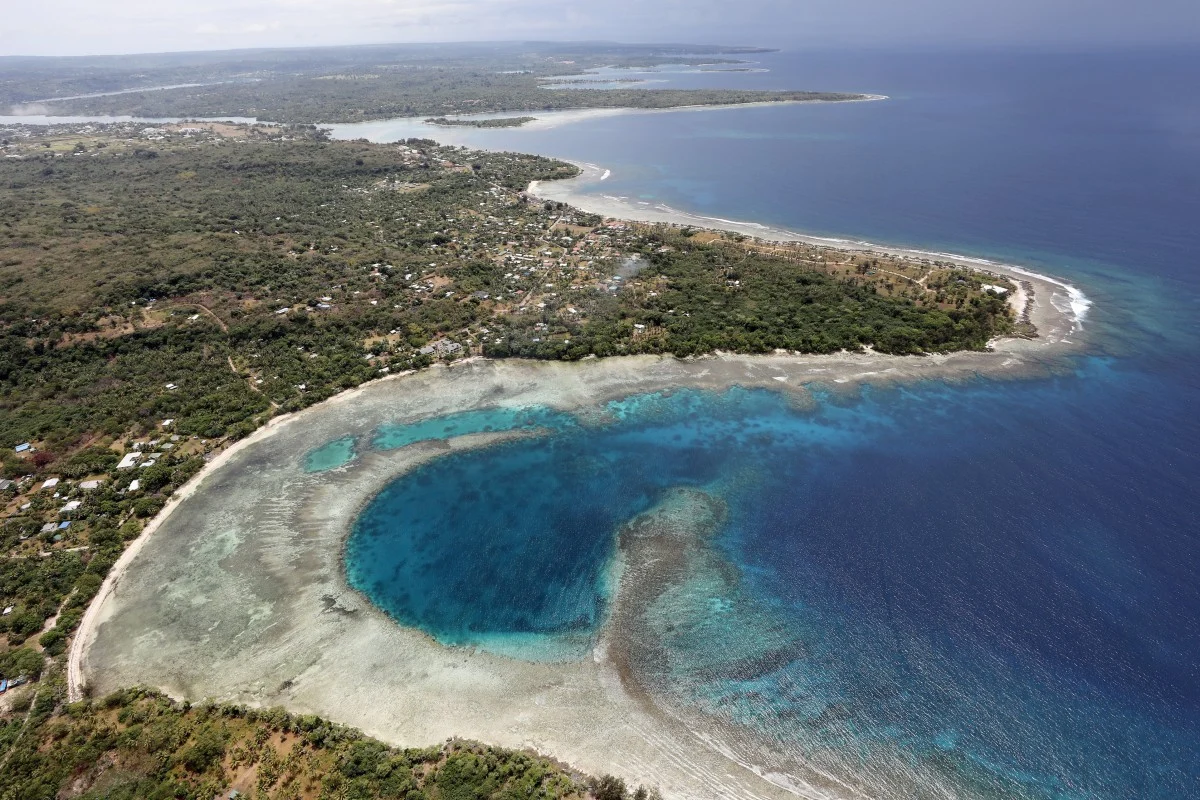
People living on the small islands scattered across the Pacific Ocean are on the front line of a new geopolitical battle to control the supply chains of these “green” minerals. Inaction by the United Nations to pause the march towards deep-sea mining for precious metals would result in a catastrophic impact on the Pacific in the long term.
Eliki Drugunalevu, a member of the research team that compiled the Pacific Ocean and Climate Crisis Assessment report to the Cop29 meeting in Azerbaijan in 2024, also warned of the potential for conflict. “People on the Pacific islands rely on the ocean for their economic survival. If the fish are not going to come in, they will have to fish in another community’s fishing grounds, that will have a butterfly effect and create conflict.”
The deep blue oceans are expected to be protected by an autonomous international organisation, the International Seabed Authority (ISA), as the “common heritage of mankind” under the United Nations Convention on the Law of the Sea (UNCLOS). This international treaty was adopted by the UN in 1982 and signed and ratified by 168 UN member states. One exception is the United States, which objects to the articles restricting seabed mining.
On June 30, China published an assessment report on the workings of UNCLOS, warning that deep-sea mining has become a major test of the convention’s authority. It was critical of recent attempts to undermine it by the Trump administration.
Disappointingly, the ISA’s 36-member council and assembly concluded two weeks of meetings on July 31 without arriving at a set of commercial exploitation guidelines or regulations – the so-called mining code – for seabed mining. Negotiations will continue at their next meeting in March next year.
To date, more than 40 nations have called for a moratorium on seabed mining, with the Pacific nation Vanuatu proposing that such a pause be in operation until the risks are fully understood and the necessary scientific knowledge is available for a transparent process.
Despite concerns about the potential environmental impact of seabed mining, the pressure to start exploiting these resources continues to grow. The Clarion-Clipperton zone, a high seas area stretching over 4,500 miles (7,240 km) between Hawaii and Mexico, could soon be fair game to mining operators, with Canada-based The Metals Company seemingly on the threshold of beginning commercial exploitation operations there.
The company holds an exploration licence granted by the ISA and is pushing to receive permission from the body to start commercial exploitation. More recently, through its US subsidiary, the company has turned to the US National Oceanic and Atmospheric Administration to seek exploitation permits. US authorities do not recognise UNCLOS.
A controversy is brewing in the Cook Islands in the South Pacific, over reported US corporate designs to mine the seabed in its exclusive economic zone (EEZ). Kiribati is also exploring deep-sea mining partnerships with China. Cook Islands’ EEZ covers 1.96 million sq km of sea, while Kiribati’s EEZ covers 3.55 million sq km, making it one of the largest oceanic territories in the world.
It is estimated that the critical minerals lying abundantly in the seabed are worth up to US$16 trillion, and a majority of these metals are believed to lie at the bottom of the Pacific Ocean. For many of the Pacific Island nations with mineral resources within their EEZ seabed, licensing fees from foreign companies to mine would be lucrative revenue.
The US-China geopolitical rivalry has only added to the pressure. In an article published in April, RAND Corporation noted that the Pacific Ocean is rich with deposits of polymetallic nodules, “the minerals that drive modern economies”. It argued that these deposits could help the United States break its critical-minerals reliance on China, which otherwise controls the market. An attempt to secure the critical minerals supply chain to green the earth could well pollute the oceans.
A growing number of nations, as well as the scientific community, are calling for a moratorium. But it seems the custodian of the oceans created under UNCLOS – the ISA – has become a toothless tiger. Without a powerful international body to pause seabed mining, small island leaders could succumb to the temptation of allowing deep-sea mining at the expense of the environment.
Dr Kalinga Seneviratne is a Sri Lankan born journalist and international communications scholar. He is the author of GeoPolitics and the Media in Asia and the Pacific: Pulling in Different Direction.