

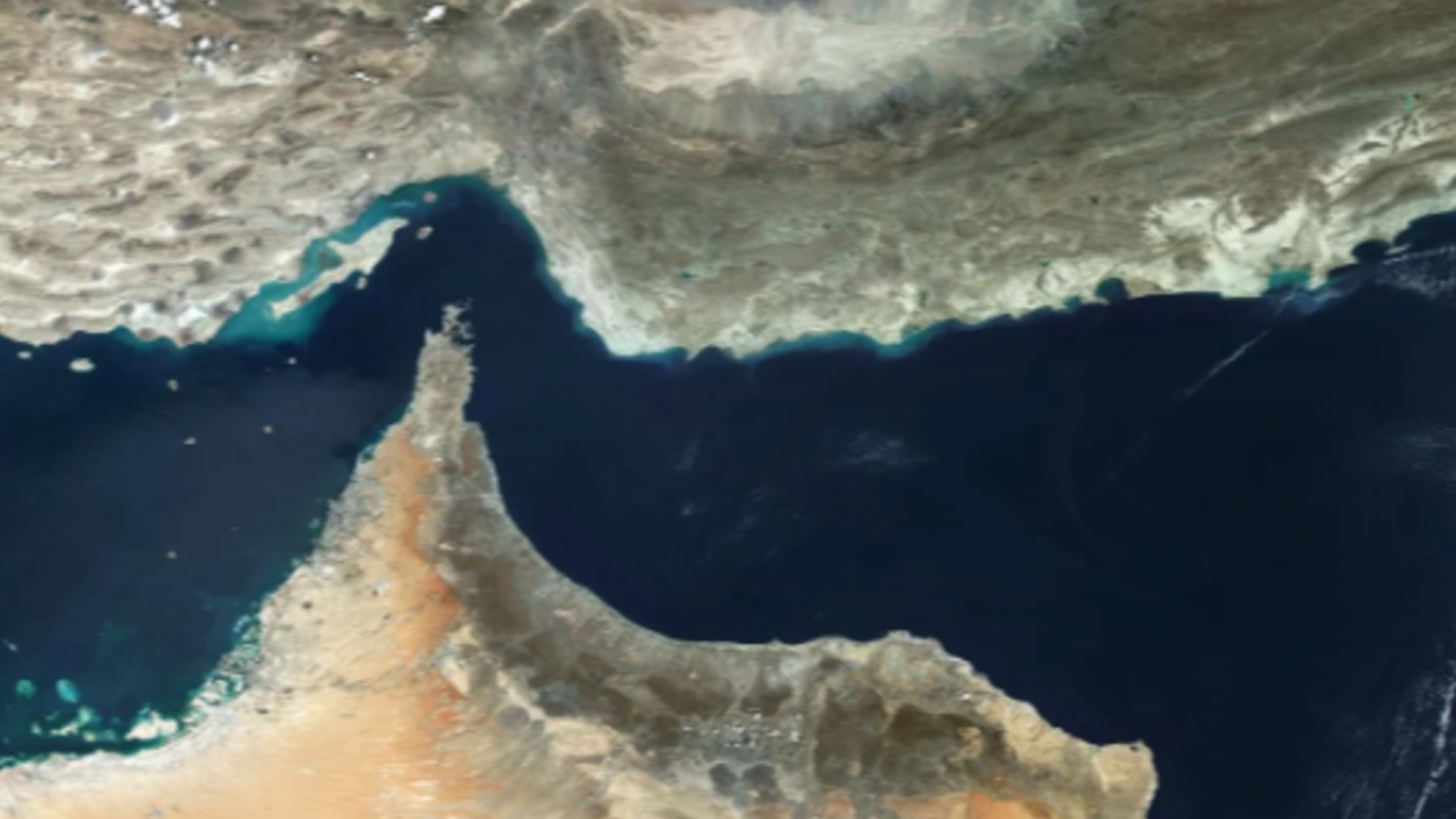
Rising tensions and disruptions in the Strait of Hormuz are driving up global oil prices and threatening to impose an additional US$20 billion annual fuel import bill on the world’s most vulnerable economies, according to the United Nations Conference on Trade and Development (UNCTAD).
UNCTAD said 65 of 75 least developed countries (LDCs) and small island developing states (SIDS) depend on imported oil, leaving them highly exposed to energy market shocks triggered by instability in one of the world’s most important shipping routes.
The agency warned that higher fuel prices would force governments to make difficult choices between paying for energy imports and funding essential public services, affecting nearly one billion people.
United Nations Secretary-General António Guterres highlighted the severity of the situation.
“When the Strait of Hormuz is strangled, the world’s poorest and most vulnerable cannot breathe,” he said.
UNCTAD said crude oil prices have surged by more than 40 percent since military escalation in the region, while gasoline prices have climbed by more than 50 percent.
The agency estimates that a 50 percent increase in oil prices would raise the annual oil import bill of vulnerable economies by US$20.4 billion.
Of that amount, Least Developed Countries (LDC) would face an additional US$16.1 billion in costs, while small island developing states would absorb another US$4.3 billion.
Several Pacific Island countries are among those expected to be significantly affected.
UNCTAD estimates that a 50 percent rise in oil prices would increase oil import costs equivalent to 5.8 percent of GDP in Vanuatu, 4.4 percent in Tonga, 3.2 percent in Fiji, 3.0 percent in Samoa, 1.1 percent in Solomon Islands and 1.0 percent in Tuvalu.
The report said these economies face heightened risks because of their dependence on imported fuel and limited fiscal space to absorb price shocks.
Beyond direct fuel costs, UNCTAD warned that higher oil prices would push up freight charges and increase the cost of imported goods, contributing to broader inflation and raising the cost of living.
The agency said governments could also face mounting fiscal pressure as they attempt to shield households and businesses from rising prices while maintaining spending on healthcare, education and other essential services.
According to UNCTAD, prolonged oil price shocks could widen current account deficits, weaken exchange rates, trigger higher interest rates and slow economic growth, particularly in economies already facing structural vulnerabilities.
The report also highlighted the dependence of some vulnerable countries on oil supplies originating from the Hormuz region. Seychelles sources 99 percent of its oil imports from countries in the region, while Mauritius obtains 58.3 percent and Tanzania 56 percent.
UNCTAD said countries heavily reliant on oil imports from the Gulf may need to secure alternative suppliers if disruptions in the Strait of Hormuz continue.
The agency warned that without relief measures, the latest energy shock risks deepening existing economic vulnerabilities and undermining sustainable development efforts across many of the world’s poorest and most climate-vulnerable nations.