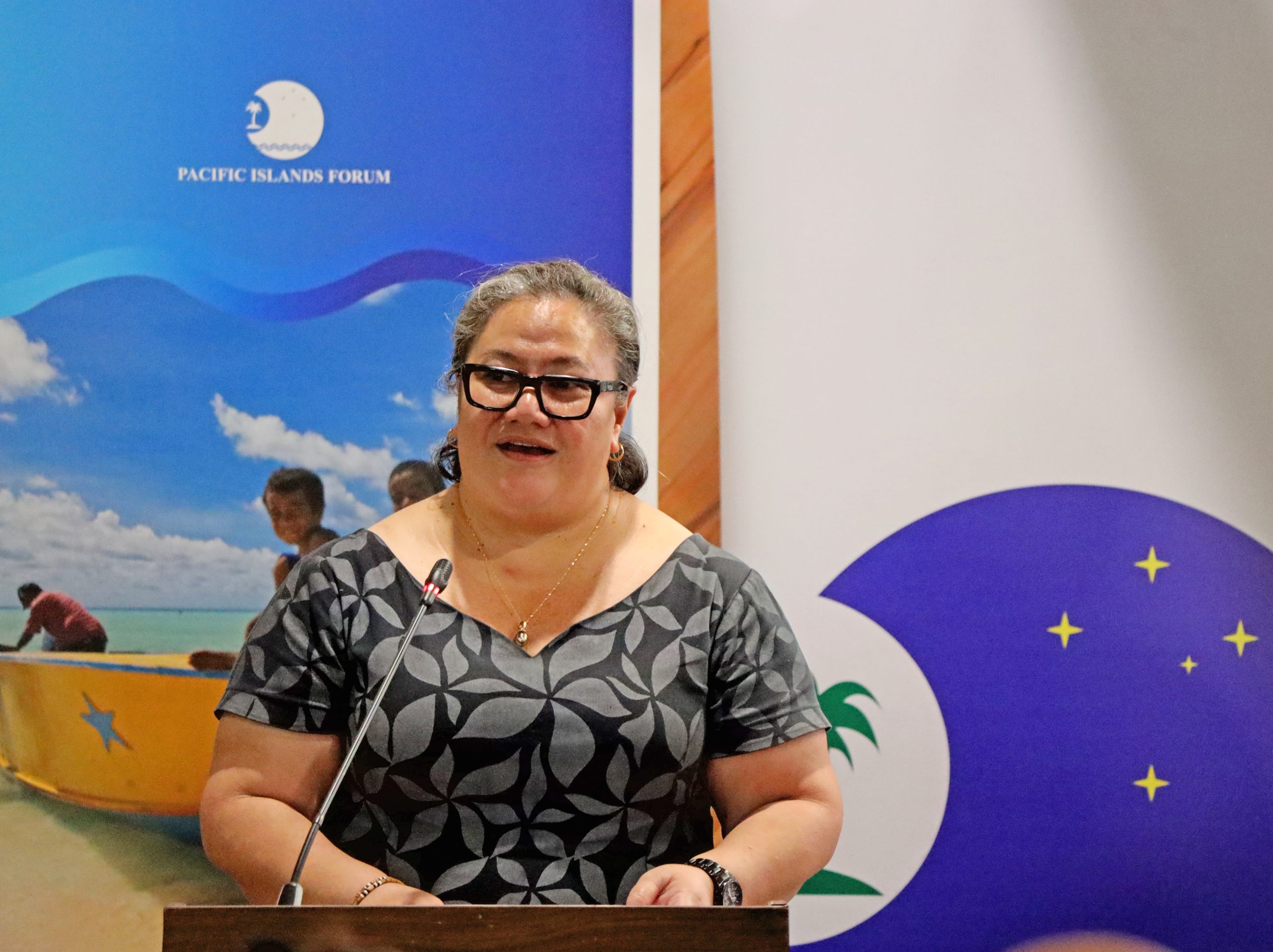
Trade in the Pacific must deliver benefits beyond economic growth and ensure opportunities reach women, vulnerable groups and communities that have traditionally been left out of economic activity, Forum deputy Secretary General Desna Solofa said Wednesday.
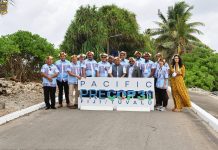
Opening the Pacific Aid-for-Trade Day at the Pacific Islands Forum Secretariat in Suva, Solofa told senior trade officials, Pacific Women Leaders representatives, development partners and regional stakeholders that inclusive trade is critical to achieving the region’s long-term development goals.
“This year’s theme, ‘Inclusive and Sustainable Trade in the Blue Pacific: Integrating a Gender Equality and Social Inclusion Lens Across Aid-for-Trade Initiatives,’ speaks directly to a fundamental principle underpinning our regional development aspirations: that trade should be a catalyst for prosperity that benefits all Pacific peoples.”
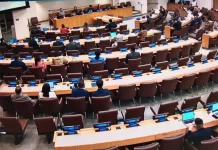
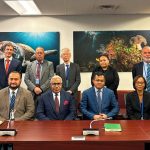
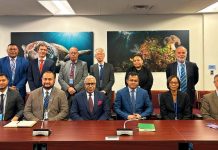
The meeting brought together Senior Trade Officials and Senior Officials from the Pacific Women Leaders Meeting in a joint dialogue aimed at strengthening the integration of gender equality and social inclusion across regional trade programmes.
Solofa said the Pacific’s development agenda under the 2050 Strategy for the Blue Pacific Continent places growing importance on trade as a driver of economic growth and regional integration.
“As the Pacific advances its vision under the 2050 Strategy for the Blue Pacific Continent, trade continues to play an increasingly important role in supporting economic growth and regional integration. Yet the value of trade cannot be measured solely by growth in trade volumes or investment flows.
Its success must also ensure that the benefits of trade are shared equitably and contribute to improved livelihoods and opportunities for those who have traditionally faced barriers to participation,” she said.
She said bringing together trade and women leaders reflected a growing understanding that economic and social policies are closely linked and should be developed together.
“The convening of Senior Trade Officials alongside Senior Officials from the Pacific Women Leaders Meeting, reflects the growing recognition that economic and social policy objectives are mutually reinforcing.”
Solofa said the joint meeting provided a platform to examine how regional trade programmes could better address gender equality and social inclusion while expanding economic opportunities for underrepresented groups.
She noted that Pacific countries continue to face a difficult global environment marked by geopolitical tensions, economic uncertainty, supply chain disruptions and climate change impacts.
“Today’s discussions take place against the backdrop of an increasingly complex and rapidly evolving global environment. Heightened geopolitical tensions, economic uncertainty, disruptions to global supply chains, and the growing impacts of climate change continue to shape the operating environment for Pacific economies.”
She said strengthening the region’s ability to participate in and benefit from international trade remains a key priority despite those challenges.
Solofa highlighted the Pacific Aid-for-Trade Strategy 2026–2030 as a key framework for supporting regional efforts to improve trade competitiveness, resilience and economic integration.
“In this context, the Pacific Aid-for-Trade Strategy 2026–2030 provides an important framework for addressing these challenges. Endorsed by Forum Trade Ministers in 2025, the Strategy builds on the achievements of its predecessor and reinforces our collective commitment to strengthening trade competitiveness, economic resilience, and regional integration.”
She said one of the strategy’s most significant features was the inclusion of gender equality and social inclusion as a core principle.
“Notably, the Strategy embeds gender equality and social inclusion as a cross-cutting principle, recognising that sustainable development outcomes cannot be achieved without deliberate efforts to address barriers to participation and ensure that economic opportunities are accessible to all members of our communities,” said Solofa.
However, Solofa acknowledged that significant work remains to ensure policy commitments are translated into measurable outcomes.
“While we have made progress on the integration of GESI at the policy level, challenges remain in translating policy commitments into tangible outcomes.”
She stressed that this was why the Pacific Aid-for-Trade Day was important for members to review progress, exchange experiences and identify practical solutions to strengthen inclusive and sustainable development across the region.
“The Pacific Aid-for-Trade Day provides an opportunity to reflect on progress, exchange experiences and identify practical approaches for strengthening the contribution of Aid-for-Trade initiatives to inclusive and sustainable development outcomes across the region,” she said.
Throughout the day, officials were scheduled to review progress on several regional initiatives, including the Pacific E-commerce Initiative, Pacific Quality Infrastructure Initiative, Trade Policies and Trade Agreements Initiative, as well as priority value-chain programmes focused on apiculture and kava.
Discussions were also expected to cover emerging work on trade facilitation, trade in services and the growing link between trade and environmental issues.
Solofa said hearing directly from Forum members about national experiences would be critical in shaping future regional efforts.
“Equally important, we will hear directly from Forum Members on their experiences and lessons learned in implementing these initiatives at the national level.”
She called on participants to actively contribute to discussions and work together to strengthen the role of Aid-for-Trade in delivering benefits across the Blue Pacific.
“I encourage all participants to engage actively in the discussions, share perspectives openly, and consider how we can collectively strengthen the contribution of Aid-for-Trade to inclusive and sustainable development outcomes across the Blue Pacific,” said Solofa.