
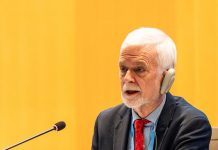

The Pacific must build education systems that are resilient, evidence-informed, culturally grounded and future-ready to respond to climate change, labour mobility and rapid technological change, SPC deputy Director-General – Science and Capability Dr Andrew Jones said.
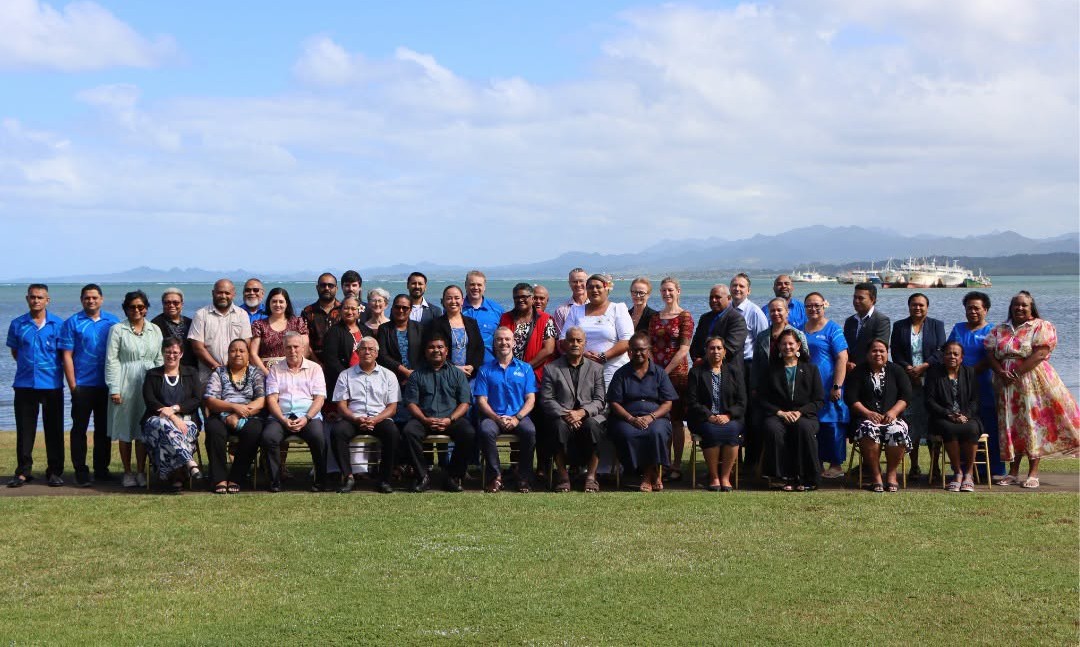
Addressing the opening of the 11th Pacific Board for Educational Quality (PBEQ) Meeting, Dr Jones said education must become the region’s priority as Pacific countries confront increasingly interconnected challenges.
“Climate change is reshaping our communities and challenging the resilience of our education systems.
“Labour mobility is creating new opportunities while also requiring us to rethink the skills, qualifications, and pathways needed by our people.
“Artificial Intelligence and digital transformation are changing how knowledge is created, accessed, and applied. At the same time, our communities continue to remind us that education must remain grounded in our Pacific values, languages, cultures, and identities.
“These are not separate challenges. They are complex, interconnected, and transformative. For our children to face such challenges over their lifetime our priority must be education. We must set them up so that they can find the solutions to these problems that have been created for them,” he said.
Dr Jones said the responsibility facing Pacific governments was not simply to respond to change but to prepare education systems to lead through it.
“The responsibility before us is, therefore, not simply to respond to change, but to prepare our education systems to lead through change.
Education must prepare learners not only for employment and economic participation, but also for responsible citizenship, community leadership, and stewardship of our unique Pacific environment,” he said.
Dr Jones said the Board’s work reflected the region’s ambition to strengthen education systems through regional cooperation, evidence and shared expertise.
“The work before this Board reflects a critical regional ambition which is to build education systems that are resilient, evidence-informed, culturally grounded, inclusive, and future-ready.”
Dr Jones said initiatives such as regional assessments, education data systems and strengthened information platforms were helping countries use evidence to improve policy and practice, while qualifications frameworks and quality assurance systems would remain essential as labour mobility expanded across the region.
The Board will consider progress under the Pacific Regional Education Framework (PacREF), education resilience, data systems, qualifications, assessment and the future direction of the Educational Quality and Assessment Programme (EQAP).
He urged members to focus on the long-term future of Pacific education.
“The question before us is: What kind of education systems do we need for the Pacific of tomorrow?”
“Equally important is: How do we ensure that these systems remain firmly anchored in our Pacific identity while embracing the opportunities ahead?”
Dr Jones told board members they were helping shape the future of Pacific children and encouraged them to “engage openly, challenge constructively, and think boldly about the future we want to create for our learners, our communities, and our region.