
By Sera Tikotikoivatu-Sefeti
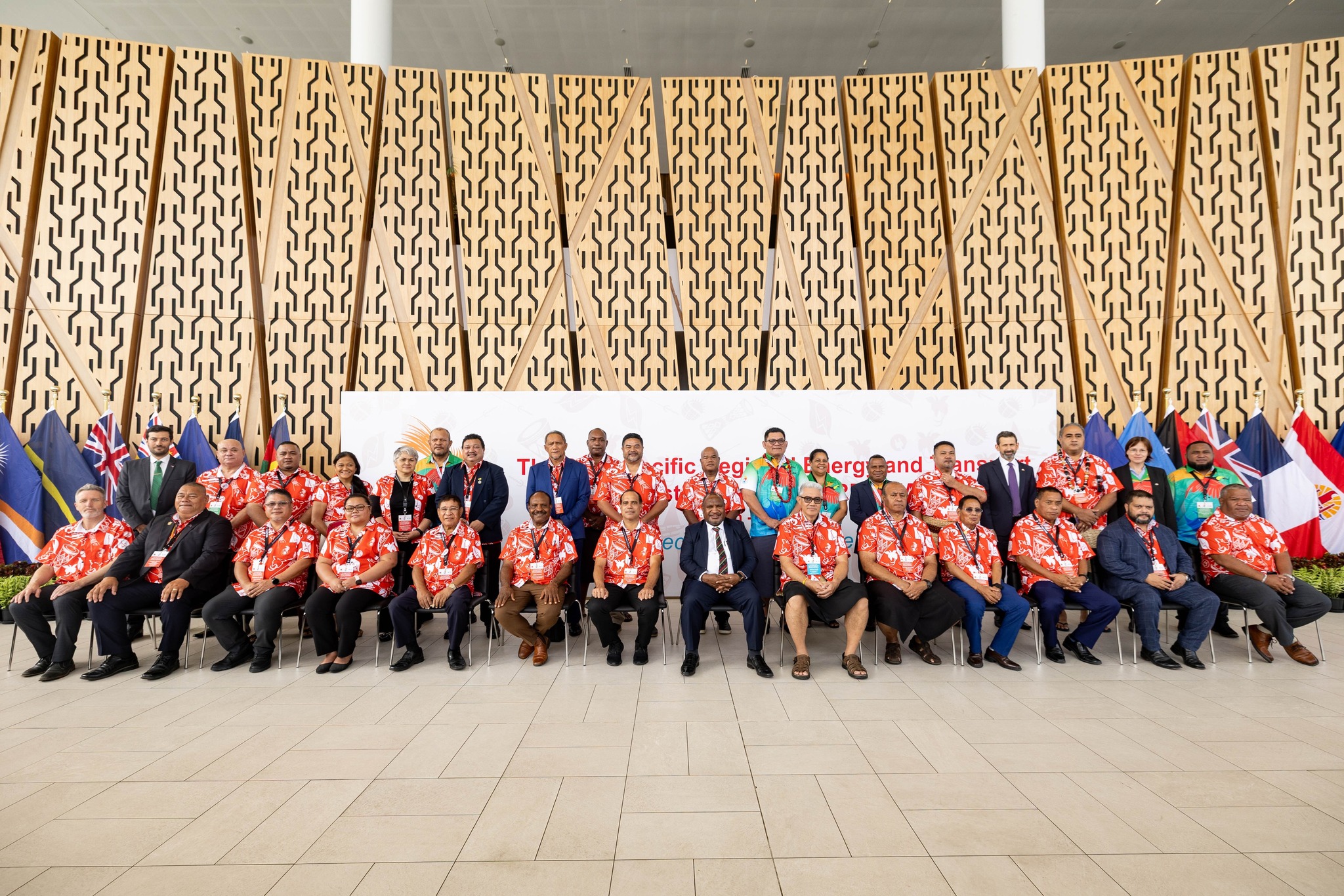
The Sixth Pacific Regional Energy and Transport Ministers’ Meeting(PRETMM6) are laying bare the realities of Pacific regions challenges, from outdated legislation and technical gaps to transnational crime and the push for greater inclusion for women.
For Papua New Guinea, the stakes are particularly high.
As one of the region’s largest coastlines with thousands of coastal communities dependent on maritime transport, the country sits at the centre of many diverging conversation with its Pacific neighbours.
Theodore Varpiam, from the National Maritime Safety Authority shares that these meeting helps align Papua New Guinea’s maritime standards with regional and international expectations.
“There’s a whole lot of technical cooperation activities tied into these discussions,” Theodore said.
“It gives guidance to all member states and gives reason for us to align what we do here with what’s happening in the region and also build our capacity from what others are doing.”
But behind that regional ambition lies a harder truth.
Papua New Guinea, like many Pacific nations, is still grappling with serious internal gaps especially around financing, policy frameworks and legislation.
“The sentiments being shared right now in the minister’s conference is basically financial assistance,” Theodore said.
“There are areas and gaps in our policies that need to be filled in. There are legislations to come into place to be able to give some key direction to what we do.”
And fixing those gaps is not quick.
In Papua New Guinea, maritime reform requires lengthy consultation processes with multiple stakeholders, something Theodore said can take years before action is finalised.
For a region increasingly facing complex maritime threats, those delays matter.
One of the emerging concerns discussed during the meeting is the rise of “dark ships”, vessels operating outside normal identification systems, raising concerns around illegal movements, security risks and transnational crime across Pacific waters.
Theodore confirmed the issue had surfaced in regional discussions, as Pacific countries look at tools to improve maritime monitoring and security.
But one of the strongest themes to emerge from PRETMM6 has been gender.
Across the Pacific, maritime remains heavily male-dominated, particularly at sea.
Theodore said while women are increasingly present in onshore maritime roles, representation on vessels remains very limited.
“Onshore, there’s quite a lot of women there, but it’s on board the vessels that are very limited,” he said.
That is beginning to change.
Support from the private sector and development partners, including the Australia government through scholarship pathways, is helping create new opportunities for women to enter maritime careers.
Papua New Guinea’s port authorities are also bringing more women into technical roles such as piloting, traditionally seen as male spaces.
But Theodore says much more advocacy is needed.
“We need more women. We need more advocacy on the profession, particularly giving our women and girls the opportunity to see this as a career for them,” he said.
As ministers continue deliberations this week, many of the technical discussions from heads of maritime and senior officials are now before political leaders.
The hope is that regional frameworks including the Pacific strategy on women in maritime and broader transport cooperation mechanisms can move beyond discussion and into action.
Because for countries like Papua New Guinea, maritime is not just about moving cargo.
It is about moving the Pacific forward.