

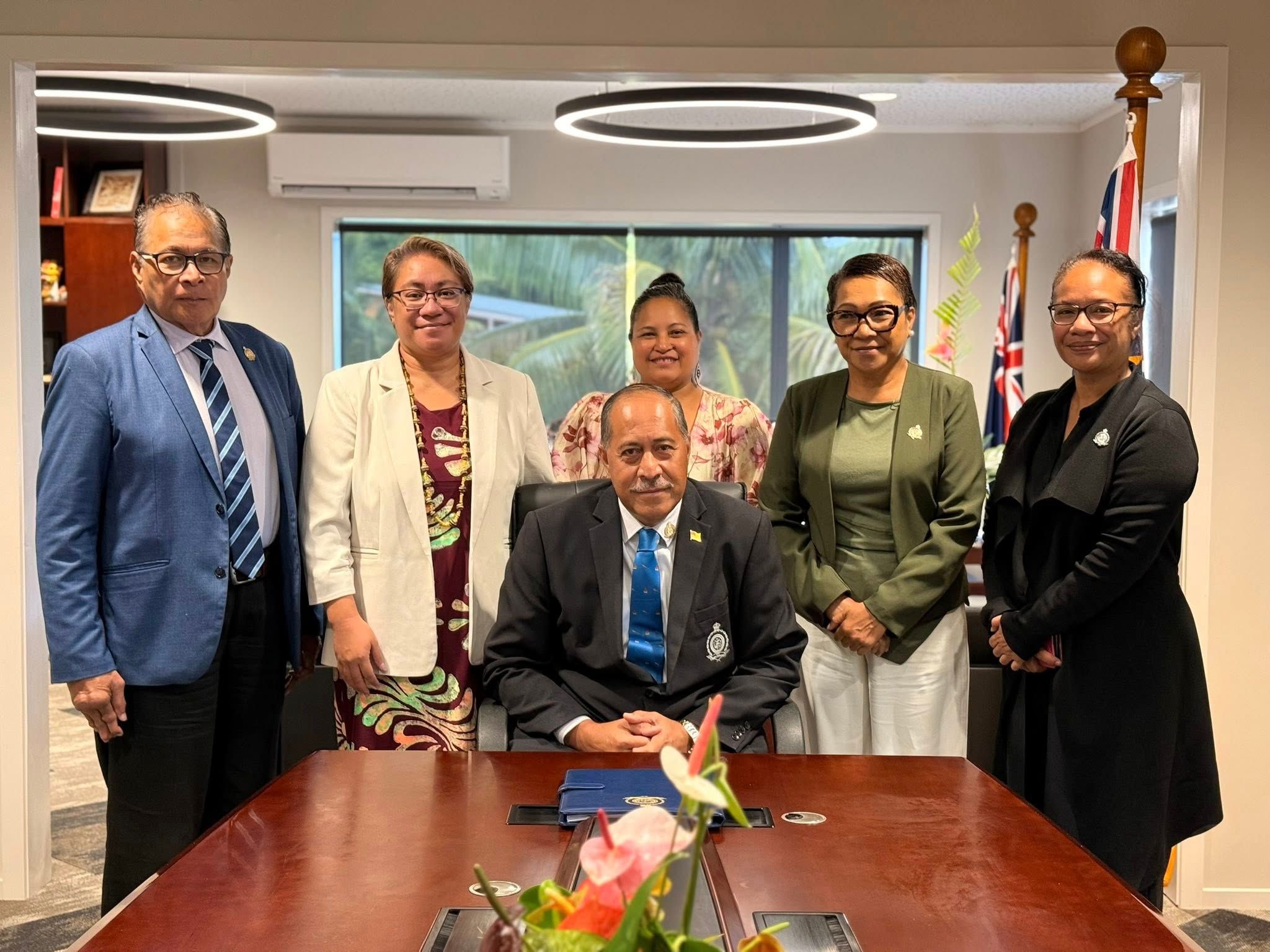
The preliminary results from Saturday’s general election in Niue show that most of the “old guard” have held their ground.
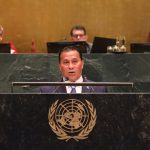
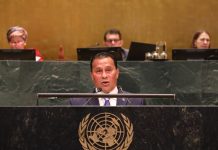
Outgoing Prime Minister Dalton Tagelagi safely retained his Alofi South seat, securing 111 of 221 valid votes.
Several other ministers and village representatives were returned, many of them unopposed, including Tutuli Heka in Alofi North, Richie Mautama in Hakupu, Silepea Sione in Namukulu, and Talaititama Talaiti in Vaiea.
Other returning MPs include Ian Hipa in Hikutavake, Logopati Seumanu in Liku, Rhonda Tiakia in Lakepa, Florence Maureen Melekitama in Mutalau, and Dion Paki Taufitu in Toi.
There were some changes at the margins, with new representatives elected in Avatele and Tamakautoga, replacing incumbents from the previous term.
Six members were also elected on the common roll: Robert BJ Rex, Moira Enetama, Richmond Lisimoni-Togahai, Emani Fakaotimanava-Lui, Sonya Talagi and Kahealani Hekau.
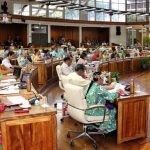
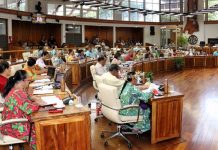
Because Niue has no political parties, the next Prime Minister is not decided by the public, but by a secret vote among the 20 elected MPs.
Now that the results are in, the “numbers game” begins behind closed doors as alliances are formed to choose the island’s leader for the next three years.
For Tagelagi, who led the country through the Covid-19 period, the election was a final exam on how he handled the recovery.
“I’m not here to be happy about what I do… I leave that to the judgment of the people,” he said in a pre-election interview with the Broadcasting Corporation of Niue.
With tourism numbers now bouncing back and the economy showing signs of life, it seems the judgement of the people was to stay the course.
But the next government won’t have a honeymoon period; they are walking straight into a cost-of-living storm.
While names like Robert BJ Rex and Sonya Talagi dominated the Common Roll, the real “winner” of the campaign was the cost of living.
With petrol prices hitting NZ$3.80(US$2.73) per litre and a 150 percent price hike looming in June, the pressure on Niuean kitchens is at an all-time high.
Some critics say the campaign stayed too close to the surface and didn’t look far enough ahead.
Niuean commentator Dessyo Sione noted that more focus is needed on the future, especially for the youth.
“I don’t think discussions went deep enough to include ICT… we need to bring tech in to preserve our language,” Sione said.
Niue is a self-governing Pacific nation in free association with New Zealand, which provides budgetary support and handles defence and foreign affairs.
The vote follows the formal dissolution of Cabinet earlier last week and marks the end of the government’s three-year term.
About 1100 voters were registered, with polling across 14 stations from 9am to 6pm on Saturday.
While the majority of incumbents were returned, there were small shake-ups in the villages of Avatele and Tamakautoga where new representatives were elected to replace the previous members.
These new voices, alongside the six members elected on the Common Roll, will hold the balance of power when the Assembly meets to choose the Cabinet.
The final count is expected to be confirmed soon but for now, the “Rock of Polynesia” remains in familiar hands.
The question now is: who will those hands choose to lead them into an increasingly expensive future?