

Pacific Islands Forum Secretary General Baron Waqa says the region must move beyond plans and deliver real results under the 2050 Strategy, warning that success will be judged by impact, not promises.
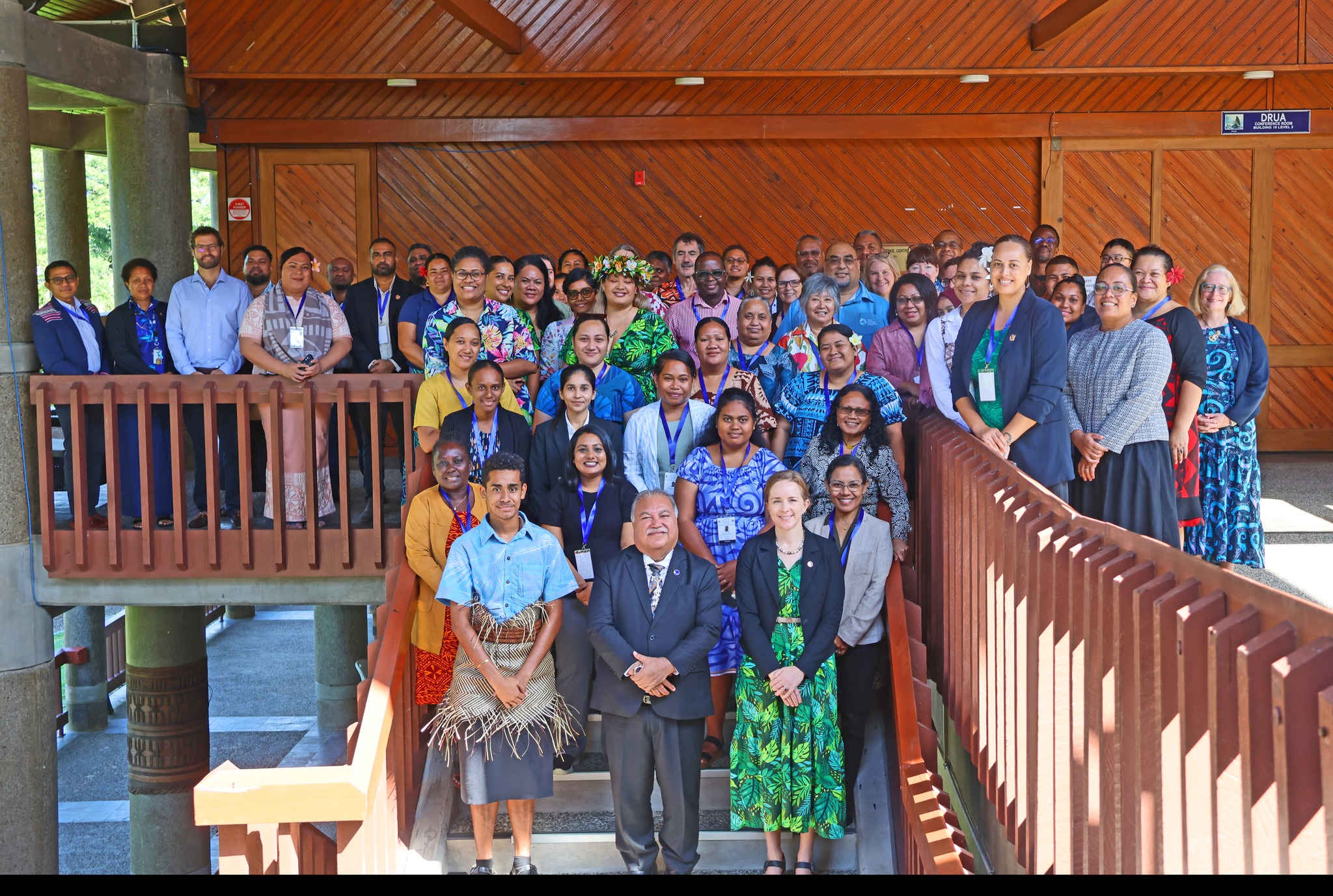
Opening the 2050 Regional Convening, Waqa told leaders, planners and partners that the strategy has entered a critical phase.
“The 2050 Strategy for the Blue Pacific Continent is no longer a vision on paper. It is now firmly in its implementation phase.”
He said this shift demands accountability and discipline.
“This convening is not about celebrating the Strategy. It is about ensuring it remains fit for purpose, grounded in national realities, and capable of delivering real results for Pacific peoples.”
Waqa stressed the need for alignment across the region.
“ONE STRATEGY means alignment.”
“Alignment between national development plans and regional goals. Alignment between political ambition and technical evidence.”
He made it clear alignment does not mean uniformity.
“Our countries are diverse; our contexts are complex. Our strength lies in moving in the same direction, even when our pathways differ.”
The Forum Secretary General said delivery depends on shared ownership.
“ONE STRATEGY only succeeds through MANY HANDS. Shared ownership is not symbolic. It is practical.”
“No single institution, no matter how capable, can deliver this Strategy alone.”
He said governments, regional agencies, partners and communities all have a role.
“It also means recognising the vital role of communities, civil society, traditional leaders, the private sector, and young people. Not as beneficiaries of this Strategy, but as co-owners.”
Waqa warned that action must now take priority.
“ACT is not a slogan, it is a discipline. Align policies, investments, data, and support mechanisms.”
He emphasised the importance of tracking progress.
“Tracking is not an administrative function. It is a leadership function.”
He cautioned that poor data and fragmented reporting weaken decision-making.
“If indicators are poorly aligned, decisions follow. If reporting is fragmented, leadership weakens.”
Waqa also called for honest assessment and course correction.
“If something is not working, we must say so. If priorities need sharpening, we must agree on them. If implementation is drifting, we must bring it back on track.”
He said this is what defines responsible regional leadership.
Turning to youth, Waqa said they must play a central role.
“Young people are not observers of this Strategy. You are the co-owners of its success. And you are its conscience.”
He stressed that youth voices must shape outcomes.
“Youth voices must shape alignment. They must shape how progress is measured. They must shape accountability.”
Waqa said the focus must remain on results that people can see and called for collective leadership.
“The success of the 2050 Strategy will not be judged by words. It will be judged by its impact on the lives of Pacific peoples, by resilience built, by prosperity shared, and by a future secured.”
“I urge you to engage openly, challenge constructively, and lead collectively.”
“Because ONE STRATEGY, held up by MANY HANDS, only delivers when we choose to ACT together.”