
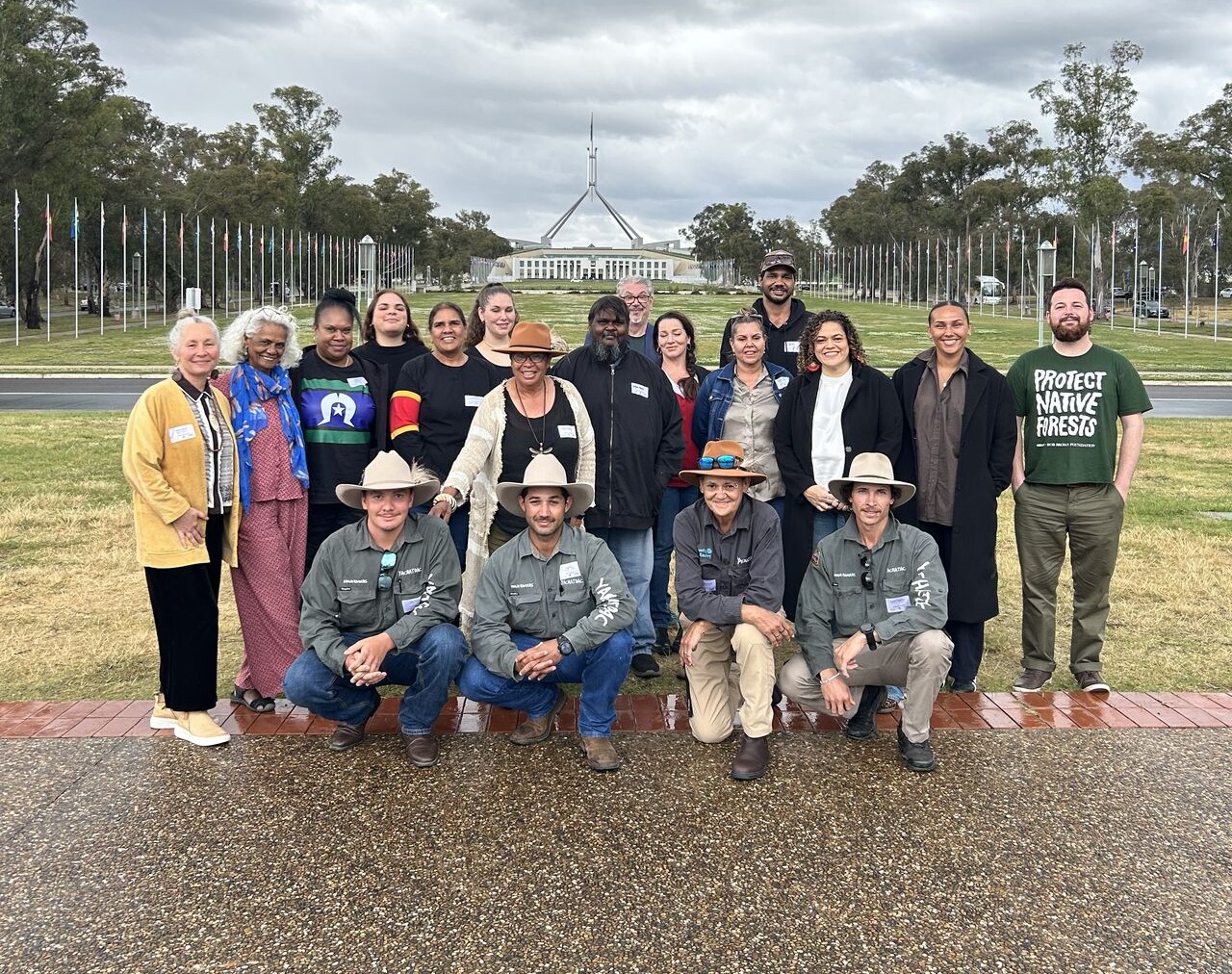
COP30 climate talks in Brazil this week will hear from Torres Strait and Pacific advocates, including Climate Collective Zenadth Kes’ Barbara Ibuai, in a push for substantive outcomes from this year’s United Nations meeting.
They will go armed with this year’s landmark International Court of Justice advisory opinion that major polluting states had to reduce climate harm and take ambitious mitigating action.
The non-binding ruling has given them a renewed sense of confidence in being able to shift climate diplomacy in the right direction to align with what the ICJ found was the legally binding 1.5 °C temperature target of the Paris Agreement.
“It’s about common good, it’s about humanity,” Ibuai told the Torres News before she travelled to the meeting.
“This is not about politics, it’s about survival.
“We need to be present, completely present in every discussion, from within our islands, through the nation, from our region, out to the globe.
“(Torres Strait) is in a very unique position in Australia and we feel like we are being neglected.
“We share this journey with the Pacific, the Torres Strait’s need to build networks for the common cause is vital.
“We have friends out there.”
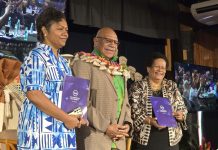
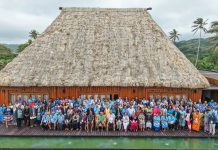
Torres Strait climate advocacy – domestically and internationally – was acclaimed at this year’s Pacific Islands Forum leaders meeting in Honiara in September.
Alongside her Pacific counterparts, Ibuai said she believed subsidies for and mining of fossil fuels needed to end in favour of a transition to clean energy, which was reinforced for her when she attended the Climate Crisis Summit in Canberra last month.
“Fossil fuels need to just stop,” she said, citing recent record floods, drought conditions, bushfires and sweltering heat in cities.
“The evidence of climate harm speaks for itself.
“People might say, ‘It’s not as simple as that’.
“Well, do you want to survive?
“Do you want your children and your grandchildren to live peacefully on this earth?
“We have what’s happening in the Torres Strait with our sea level rises, but the rest of the country is living with
impacts as well.”
Ibuai attended COP29 in Azerbaijan last year with Aunty McRose Elu and said it had been a steep learning curve for her in climate diplomacy and the tactics used by major emitters to sabotage binding outcomes to hit the 1.5°C target.
“I’m new to this space, so please don’t think that I’m a specialist,” she said, but added Australia was not showing enough ambition or leadership, illustrated by its recent 2035 emissions targets and approvals of new coal and gas projects.
“We need much stronger, science-based decisions that are more sensitive to the impact of what climate is doing in the country.
“The mining sector has such a strong hold on how we operate as a country through our government in relation to our contributions.
“There is an argument we don’t have a footprint, we may not internally in the country, but it’s by virtue of our contribution of fossil fuels into the global system.”
Australia’s bid to host the COP31 next year was supported by the Pacific but was facing a rival bid by Türkiye.
A decision was expected soon, possibly in Brazil.
“I would hope for it to be in Australia and into our region, in a space that is connected to the Pacific,” Ibuai said.
“We live in one region, in one body of water.
“We live in an ecosystem that connects to the rest of the world.
“My immediate thoughts are for Torres Strait people and my elders, and their grief and their trauma about a very existential crisis,” she said.