
Home Blog Page 7

Regional security pact proposal gets support

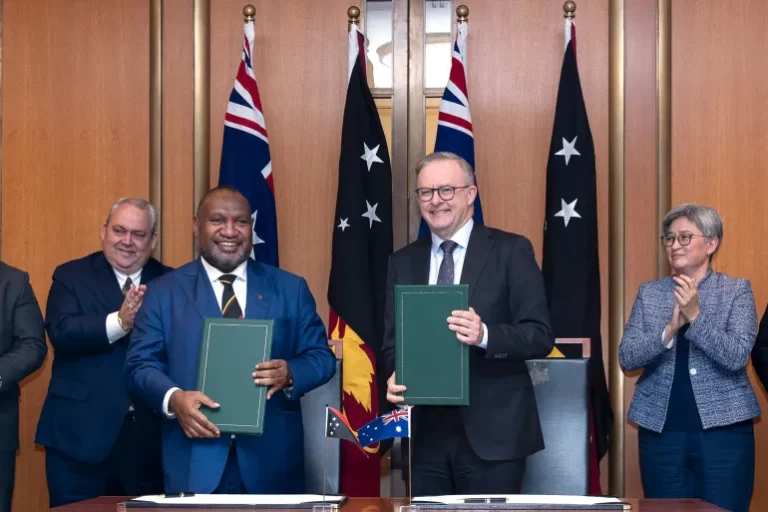
Australia and Papua New Guinea have thrown their support behind greater Pacific security cooperation, with both countries endorsing efforts to explore a regional security pact proposed by Solomon Islands Prime Minister Jeremiah Manele.

The ministers were questioned in Adelaide on Wednesday about a proposal floated by Solomon Islands Prime Minister Jeremiah Manele for a regional security pact.

Tkatchenko said regional cooperation remained essential to maintaining stability in the Pacific.

“Look, for our region, we all need to work together in partnership.”

“And Australia’s been doing a fantastic job in signing up all different Pacific Island countries with treaties and defence cooperation agreements and what have you to ensure is that the whole region works together as one.”

“And we’re all for that.”

He said the Australia-PNG alliance could serve as a model for other Pacific countries.

“The historical alliance that we now have with Australia and Papua New Guinea sets the tone and also sets the precedent for the other countries which are now following suit.”

“So, yes, it’s a great idea for all of us to work together as one.”

Responding to the same question, Wong said regional security should continue to be anchored within the Pacific Islands Forum framework.

“Well, first can I just say, I’ll pick up where Justin left off, which is the meaning of the Alliance, and not just between us, but what it means to the region.”

“Papua New Guinea is after Australia, the largest Pacific country, it’s the largest Pacific Island nation. And it is a leader in the region, and Prime Minister Marape and his cabinet have led this.”

“And the point that Minister Tkatchenko is making is the really critical one, which is we all have a role in assuring stability and security in our region, and we believe that that security is best provided within the PIF family.”

“It is from that principle which enables security, and that is one of the foundational principles of Pukpuk,” she said.

Asked what had been achieved during the visit, Tkatchenko said discussions covered a broad range of strategic issues affecting both countries and the wider Pacific region.

“Basically, I’ve come here to see Penny’s backyard, number one. And it was a wonderful invitation for me to come to Adelaide for the first time in nearly 30 years.”

“We discussed the security in the region. We discussed the upcoming entry into force of the Pukpuk Treaty in Sydney coming in the next weeks with both our Prime Ministers.”

“We discussed our regional situation and the situation of Bougainville in Papua New Guinea as well with their independence push and the vote coming up there. And you know, fuel security and also things moving forward for the benefit of both our countries,” he said.

Tkatchenko said Australia remained Papua New Guinea’s principal security partner and that the alliance between the two countries had entered a new phase.

“So, Australia is our traditional security partner.”

“Now we’ve taken it to a level where we have one ‘banis’, meaning one fence and two houses. In that security pact where we’re together as one.”

“The security issues of Australia will be a concern for Papua New Guinea. And Papua New Guinea’s security issues are a concern for Australia.”

“So, we all work together in partnership to ensure that we have a mutual understanding and agreement.”

The PNG Foreign Minister also outlined plans for greater defence cooperation, including opportunities for Papua New Guineans to serve in the Australian Defence Force.

“We’re going to have many thousands of Papua New Guineans entering into the Australian Defence Force over the next 10 years to assist in the security of partnership going together in that regard.”

“And that’s a process that is new and we’re walking through how we will succeed to do that,” he said.

He said the success of the partnership depended on both countries maintaining a common approach to regional security challenges.

“The most important thing is that we’re all on the same page. We’re all together as one and why change something that’s working well? I think that’s the situation.”

Tkatchenko praised cooperation between the governments of Prime Minister James Marape and Australian Prime Minister Anthony Albanese, saying it was contributing to regional peace and security.

“Local politics, whatever it might be, the Albanese Government with our government under James Marape is working very, very well for peace and security in the region, not only for Australia, but also for all the other Pacific Island countries as well.”

“We assist and work together as one so that we can all have an understanding that what we’re doing is not just for Australia, it’s not just for Papua New Guinea.”

“But it’s for all the other island nations as well, especially our brothers and sisters in the Solomon Islands as well, working with them.”

“They’re all part of the program and the process of making our area a safe and secure place now and into the future,” he said.

The discussion also turned to the impact of recent disruptions in global fuel markets and whether the easing of tensions in the Middle East could reduce fuel pressures across the Pacific.
Asked if she was hopeful that recent developments would ease the fuel shock experienced in the region, Wong said Pacific nations had been heavily affected because of their dependence on fuel supplies linked to Asian refineries.

“Of course. I mean, you’ve heard me speak about, the Prime Minister speak about the fact that we are, because of the nature of the way the global market works, how much of the oil coming through the Strait is bound for the refineries of Asia from where most of us get most of our fuel.”

“Obviously, it’s had a disproportionate impact on our region,” said Wong.

Wong said the effects of recent disruptions could continue for some time but expressed optimism that fuel markets would stabilise.

“I would assume that there will still be a tail on the disruption.”

“But we certainly are hopeful that we see fuel supplies returning to normal in the very near future and that it would be a good thing for the people of our region and for the people of Australia,” she said.

Decarbonisation necessary for a sustainable future, Pacific experts warn

0

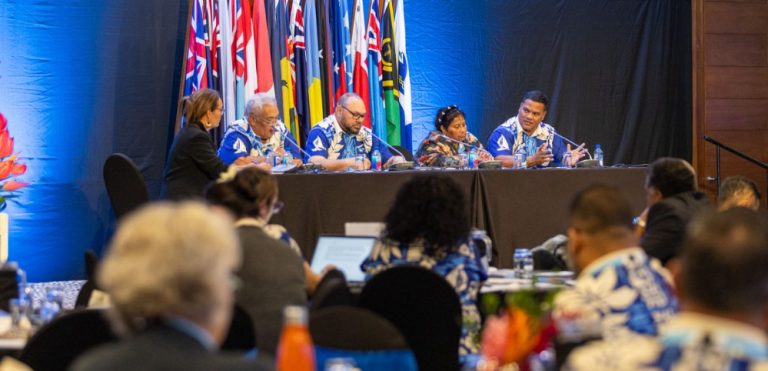
Energy experts from across the Pacific have warned the transition to renewable energy must learn from the past, speaking at a panel during the Pacific Peace and Security Dialogue.

The current fuel crisis has shown the critical importance of fast tracking the energy transition, the panellists said. But they urged policymakers to heed the lessons of the past, including the importance of community leadership.

The Regional cooperation for the energy transition panel included Pacific Community’s Deputy Director of the Georesources and Energy Programme, Ngedikes Olai Uludong; Scientific Research Organisation of Samoa’s Manager of the Environment and Renewable Energy Division, Toleafoa Annie Tuisuga; Pacific Community’s Coordinator of the Office of the Pacific Energy Regulator Alliance, Antony Garae; and Micronesian Centre for Sustainable Transport Scientific and Technical Adviser, Dr Peter Nuttall.

Tuisaga pointed to the uneven effects of rising fuel prices in Samoa and the importance of responding to the short-term crisis without undermining the region’s longer term climate ambitions.

“The fuel crisis doesn’t hit everyone the same. It’s obviously felt hardest in the low socio-economic households. It’s felt hardest in our rural areas and our outer areas,” she said.

“For our regional response, it’s crucial for us to think beyond emergency fuel supply logistics – important as that is – and also look at accelerating the kind of locally-led renewable alternatives that reduce our underlying dependency [on fuel].”

Dr Nuttall said he didn’t know whether to “laugh or cry about this current crisis”, noting that the region experienced similar fuel shocks previously, in the 1980s and then in 2008.

“Here we are in another oil crisis, and everyone is surprised. But the reality was that this was always going to happen, and we are totally unprepared for something that we should be so prepared for.”

Dr Nuttall advocated for a prompt shift to low carbon shipping, noting that if there had been a regional focus on renewable energy 15 years ago, many countries would not be experiencing the transportation crisis they are presently.

He described decarbonising shipping as “the most important economic decision this region makes going into the future.”
“It just requires prioritisation, the local willingness, and the access to the finance,” he said.

“We’re the most import-dependent region in the world. As long as we’re going to rely on those imports and not change the way we operate our most essential transport modality, nothing else is going to change.

“The only way we get a global transition is when it is cheaper to have alternatives to fossil oil – that means the price of world shipping has to go up. The era of cheap fuel is over, so we need to learn really fast from this and react to it.”

Uludong, the first woman to head the energy portfolio at SPC, said the region needed a plan for tackling the fuel crisis in the short, medium and long term.

“What a regional response could look like is in the immediate to address the coordinated fuel access for critical services. In the medium term, it’s important to look at regional information sharing … everyone wants solutions and to make informed decisions, but without data, you don’t have available information to make those decisions.

“In the long term, what that could look like is looking at the reduction of being so dependent on fossil fuels and looking at alternative sources of energy – that includes renewables, which includes electrification.”

Tuisuga observed that implementing renewable energy solutions is not always straightforward.

“EVs are being identified as an option for a greener transport sector, but we’re also mindful of bringing in so many when you’re just connecting or charging them to the grid, and your grid is mostly diesel,” she said.

Uludong pointed to other opportunities for changing how the Pacific uses energy, citing the Blue Concrete Initiative, an effort to transition away from the expensive importing of cement to low carbon concrete.

“Long-term solutions could be built on from these small pilot projects that we have,” she said. “In terms of how we then reduce our dependency on importing fuel, importing oil – how can we reduce that by finding solutions in different spaces, and learning from each of the islands?”

Garae shared his experience of working as the Deputy Director of Vanuatu’s National Green Energy Fund, which has delivered more than 300 small-scale energy access projects.

“It started off with supporting the education sector, the health sector, promoting microsystems or solar home systems to electrify the schools and health centres – especially in the remote islands,” he said.

The fund also offers additional subsidies, depending on the needs of the relevant public institution, and strives to serve nearby communities.

“We try as much as possible to [electrify] households that reside within close proximity of the schools or health centres,” Garae added.

He noted that one easy way to manage energy usage is often overlooked.

“Promoting energy efficiency and conservation at home, even in offices, [can] reduce the demand for utilities to ramp up the generators,” he said. “If we were to promote end-use efficiency, we reduce the demand,” said Garae.

Papua New Guinea eyes supplying oil and gas to Pacific island nations

0

Papua New Guinea plans to increase its oil and gas production to supply its Pacific island neighbors and alleviate the burden shouldered by the fuel-dependent region due to the global crisis triggered by the war in Iran.

The recent agreement between the U.S and Iran to cease hostilities and reopen the Strait of Hormuz may have paved the way for oil price stabilisation, but island leaders noted that the volatility of global geopolitics underscored the need to enhance regional cooperation in building economic resilience.

At the 2026 Pacific Peace and Security Dialogue in Suva, regional leaders tackled inflation and the surging cost of living that weighed on Pacific Islanders, resulting from the U.S-Iran war, which broke out in February.

Thomas Opa, PNG’s finance minister, said that, as a small producer of oil and gas, the South Pacific nation is also exploring strategies to assist smaller Pacific Island states, whose economic security is at risk.

“Our prime minister in the recent Pacific Energy and Transport meeting in Port Moresby indicated Papua New Guinea’s intention to build smaller refineries to not only support fuel security in storage tanks and fuel security in our country, but also how we can contribute to our smaller Pacific island countries,” Opa said.

Papua New Guinea’s oil exports, including crude oil and petroleum gas, are a major driver of the South Pacific nation’s economy, with petroleum gas leading in export value.

In 2024, PNG’s top oil-related exports included petroleum gas valued at approximately US $5.36 billion and crude petroleum at US$838 million. Its oil exports are primarily directed to China, Japan, Australia, South Korea and Taiwan.

Pacific island countries are highly vulnerable to disruptions in the oil sector due to their lack of domestic production and limited storage capacity.

According to the Centre for Strategic and International Studies, oil supplies around 80 percent of the Pacific’s total energy, with some countries relying on it for as much as 98 percent.

Most refined fuel in the Pacific comes from Singapore, Korea and Japan.

“Pacific island nations spend roughly 5 percent to 15 percent of GDP on net oil and gas imports, thus increasing oil prices combined with heavy oil dependency exacerbate already fragile economies and have the potential to massively increase national debt distress risk across the Pacific,” CSIS said.

“Papua New Guinea stands as an exception thanks to its role as a net exporter of liquified natural gas, where rising prices are poised to boost government revenue and planned LNG projects can become more attractive,” it added.

But even as an oil producer, PNG was not spared from the impact of the crisis.

“The increase in fuel prices has really affected not only the people on the mainland who will now buy more fuel at the bowser, but it also affects business and if the business is not growing, they cannot make a profit, they cannot employ people,” Opa said. “So, it has broader implications for the well-being of people. This is a concern that affects Papua New Guinea.”

PNG has instituted a fuel subsidy to alleviate pressure, but Opa said it is a temporary measure that does not offer a long-term, sustainable solution.

Simon Kofe, Tuvalu’s minister for transport and energy, said the global fuel crisis was “a wake-up call” to accelerate the transition to low or zero carbon.

“We do a lot of advocacies on the international stage, but what are we doing on the local level to achieve that transition?” Kofe asked. “It’s no longer just an environmental issue; it’s now become a security issue for us.”

Tingika Elikana, the Cook Islands’ foreign affairs minister, said regional security is tied to economic stability.

He attributed the Cook Islands’ economic growth to tourism and “15 years of unbroken political stability.”

“None of that stability comes from military capacity,” he said, noting the value of extending the definition of security beyond defence capabilities.

“If we take what’s happening around the world with the use of military power and might, then we can’t really stand up to these people. But what we have is economic stability and the need to stabilize for the resilience and further development of our countries,” Elikana added.

Charmaine Scotty, Nauru’s minister for Women’s and Social Development Affairs, suggested leveraging the Pacific islands’ human resources to create new opportunities.

“The Pacific’s greatest resource is not beneath our oceans or on our lands. It is our people: educating them, developing their skills, providing them with leadership, empowering our youth – must remain central to our economic agenda,” she said.

Fiji and Panama lead global initiative to protect the Ocean’s “Twilight Zone”

0

New Mesopelagic Zone Conservation Challenge Calls for Better Stewardship of the Ocean’s Food Warehouse and Carbon Pumpce

At the Our Ocean Conference today, Fiji and Panama launched a new global commitment to protect one of the ocean’s most critical ecosystems.

Spanning the area 200-1,000 meters (220-1,100 yards) beneath the ocean surface, the “twilight zone” is home to an abundance of marine life that serves a central role in the ocean’s food web and helps to regulate the world’s climate.

The newly announced Mesopelagic Zone Conservation Challenge calls on countries to take concrete steps to protect the zone from emerging threats like fishing and deep-sea mining and fill knowledge gaps about this still-mysterious ocean layer.

‘The twilight zone serves as a gateway between the ocean’s surface and the deep sea,” said Ocean Conservancy’s Vice President of Conservation Chris Dorsett.

“Under threat from climate change, growing commercial interests for the production of fish meal and health supplements, and other activities, this ocean layer urgently deserves a spotlight. By pledging to protect and study the mesopelagic zone, Fiji and Panama are setting a model for the world to follow.”

Ocean Conservancy is leading the initiative with the Marine Conservation Institute and Environmental Defence Fund. Whales, dolphins, seabirds, sharks and fishes feast on species from the twilight zone.

Commercially valuable species like tuna and swordfish are particularly dependent on marine animals like lanternfish, squid and shrimp populating this ocean layer. With improving technology and increasing demand for fish protein, industries are exploring ways to exploit these deep-sea animals for uses like fish oil and pet food.

“Without a healthy, functioning twilight zone, the health of the entire ocean is at risk,” said Eduardo Carrasquilla, administrator general of the aquatic resource’s authority of Panama.

“Panama is fully committed to safeguarding all ocean layers — from the surface to the deepest trenches. Protecting the mesopelagic zone doesn’t just protect biodiversity and an important food source. It also helps the ocean to lock away carbon, making it an action we all must stand behind”.

“As a Pacific island state deeply dependent on healthy marine ecosystems, Fiji strongly believes in the critical importance of protecting the ocean twilight zone for the long-term health of our ocean and the well-being of Pacific communities,” said Sivendra Michael, Fiji’s permanent secretary for environment and climate change.

Ocean Conservancy analysis found that the mesopelagic zone is the primary food source for Kenya’s tuna and swordfish fisheries. In particular, species from the twilight zone make up as much as 81 percent of swordfish diets and 46 percent of yellowfin tuna diets. With the Kenyan industry reporting US$3.3 million in earnings in 2023 and supporting hundreds of local fishermen, the depletion of these species would have serious impacts on local incomes.

The twilight zone comprises just 20 percent of the ocean’s volume, but by some estimates is home to upwards of 90% of the ocean’s fish biomass. This means that if you were to measure all of the marine life in this layer together on one scale, they would weigh far more than all the animals in the rest of the ocean put together.

‘Marine life in the twilight zone does more than provide food,” said Lance Morgan, president of the Marine Conservation Institute. “Everyday, billions of mesopelagic animals migrate to the surface to feed, transporting carbon back down, creating the ocean’s biological carbon pump. They transfer an estimated two to six gigatons of carbon per year from the surface to the deep sea, on the low end, an amount equivalent to double the emissions produced annually by all cars worldwide. Most of this carbon stays in the twilight zone or sinks even deeper, reducing atmospheric CO₂.”

Populations of commercially important small fish such as anchovies are expected to decline in a changing climate, driving the fishing industry to look at other alternatives such as those species found in the mesopelagic zone. Lanternfish, smaller than a pencil but rich in omega-3 fatty acids, have emerged as an attractive substitute for use in aquaculture, pet food, and human health supplements. They currently account for 60 percent of all deep-sea fish, with a total biomass of approximately 600 million tons across the ocean. Beyond fishing pressure, the zone faces additional threats from climate change, including warming waters and deoxygenation, and from the prospect of deep-sea mining.

Kristin Kleisner, associate vice president of ocean science at Environmental Defence Fund, said, “What’s so alarming about the increased commercial interest in the twilight zone is that we still have so much to learn about this part of the ocean and the unique ecosystems it contains. We have only cataloged a fraction of the species living in this layer, and we don’t fully understand their role in ocean food webs and the ocean’s carbon cycling, but we know enough to know that protecting this zone is essential for a healthy ocean and a thriving planet.”

Portugal and Vanuatu Express Support for the Challenge

In addition to Panama and Fiji officially joining the challenge, Portugal and Vanuatu recognised the importance of the mesopelagic zone and expressed their support for the overarching goals of the challenge.

“Portugal is a maritime nation, by geography, by history, and by heart,” said Salvador Malheiro, Portugal’s secretary of state for fisheries and maritime affairs.

“Leading by example is the only effective way to advance international ocean governance. We look forward to working closely with partner nations to turn the goals of the Mesopelagic Zone Conservation Challenge into regular ocean management.”

“The mesopelagic zone is not only a reservoir of biodiversity — it is also central to the ocean’s role in regulating the global climate, transferring significant amounts of carbon to deep waters each year,” said Samson Vilvil Fare, director general of Vanuatu’s ministry of fisheries, oceans and maritime affairs. “Protecting this function is critical for the future of our planet.”

The Mesopelagic Zone Conservation Challenge

The Mesopelagic Zone Conservation Challenge is a voluntary initiative of willing governments, with support from conservation organisations, research institutions and other groups engaged in protecting the twilight zone. Participating governments commit to:

*Applying a precautionary approach to the expansion of fishing and other potentially harmful activities targeting or impacting twilight zone species.

*Advancing scientific understanding of the little-understood mesopelagic zone.

*Establishing robust management frameworks to ensure any future activities are sustainable, transparent and consistent with international obligations.

*Advocating for the inclusion of language recognizing the importance of the mesopelagic zone and the need for a precautionary management approach in relevant decision documents, including the United Nations General Assembly Sustainable Fisheries Resolution.

Verified news must survive the AI age, say PNG media chief

0

Papua New Guinea’s media sector is pushing back against a new era in which social media, misinformation and artificial intelligence are reshaping the country’s information landscape, according to Media Council president Neville Choi.

At the Pacific Peace and Security Dialogue, Choi said the government’s move to treat social media as equivalent to mainstream journalism triggered calls for regulation and forced the media industry into sustained talks with officials over a draft Media Development Bill and a new AI framework.

“In 2023, our national leadership started to take notice of social media,” Choi said.

“What happened next was our national leadership started positioning social media as the same as mainstream media.”

That shift, he said, set off a wider policy debate.

“There were calls for regulation. There were calls for no standards in news and media,” he said, adding that the industry initially saw itself “being pushed into a corner with social media, totally unregulated.”

Choi said the dispute has since moved into a more constructive phase.

The Media Council has spent two years lobbying government on the draft policy, which he said has gone through five versions and now includes industry recommendations before being approved by the National Executive Council.

“That was a win on our part,” he said.

The government has also changed its own communication habits.
“Ministries now increasingly publish directly on their social media pages instead of relying on media releases to mainstream outlets, a shift he described as revealing both the scale and the risk of an “unregulated media” environment.”

He added the policy response was broadening beyond media regulation to artificial intelligence.

PNG has published an AI framework for government systems, but Choi said the process was difficult because no frontier template could simply be imported into a country with “over 800 plus languages and different cultures.

A special parliamentary committee, he said, has also been examining whether mainstream media is doing enough to counter misinformation and disinformation and has recommended stronger legal protections for journalists, including amendments to criminal law to make assaults on journalists prosecutable as criminal offences.

“It hasn’t been an easy ride working with government,” Choi said.

“But both government and media, we both now recognise that the focus should be on our people and how they engage and how they use social media.”

He argued that the answer was not to reject technology but to pressure-test it.

“Stress test everything. Every AI programme, if you’re incorporating it, stress test it.”

The media sector, he added, is trying to do just that through training and public education.

At the second PNG Media Summit, held on World Press Freedom Day, the main goal was to build skill sets and understanding of AI within Papua New Guinea’s mainstream media.

Choi said the broader message for the public is that technology should be a tool, not the destination.

“Look at the problem and choose the AI to solve the problem rather than seeing AI as the endgame,” he said.

For PNG’s media and government, the challenge now is whether the country can build a durable system for verified information in an environment where social media is growing faster than the rules that govern it.

“We are still learning as we go. We are working as hard as we can in the industry to ensure that we are up to the job of informing our audiences,” he said.

Yokohama to host Pacific Islands Leaders Meeting in 2027

0

The next session of the Pacific Islands Leaders Meeting will be held in Yokohama, south of Tokyo, around summer next year, Japanese Chief Cabinet Secretary Minoru Kihara said Wednesday.

At the gathering, the Japanese government aims to exchange views on major regional issues facing island countries, including maritime security and climate change.

The island summit has been held every three years since 1997 at the initiative of the Japanese government, and the next session will be the 11th.

China’s expanding maritime presence has been a major topic at recent meetings. Pacific island countries are becoming “increasingly important as a cornerstone of a free and open Indo-Pacific,” Kihara said.

China says the Pacific should not be an arena for geopolitical rivalry

0

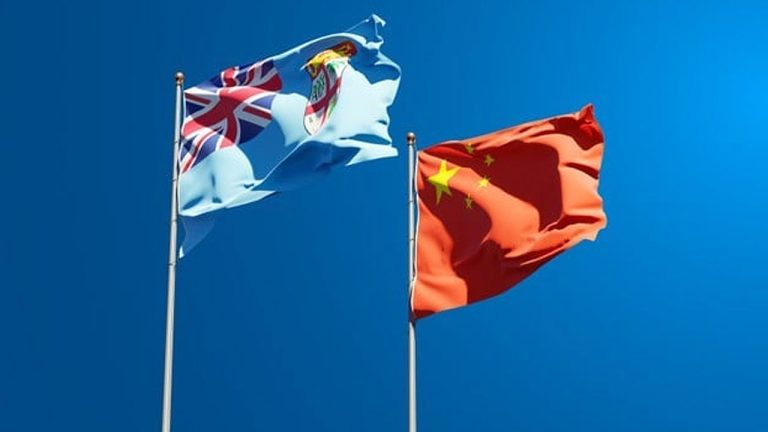
China has no interest in competing for influence in the Pacific and wants the region to remain a platform for international cooperation rather than geopolitical rivalry, China’s Chargé d’Affaires to Fiji Wang Yuan says.

Speaking during a press conference Wednesday, Wang responded to questions from this masthead about the recent announcement by the Quadrilateral (India, United States, Australia and Japan) Foreign Ministers to support the development of a port facility in Fiji.

International political analysts labelled the announcement by Quad member countries ‘a move to counter China’s influence in the region’.

Wang said China respected Fiji’s sovereign decisions and maintained that infrastructure partnerships should promote regional development rather than strategic competition.

“China has no interest in competing for influence pursuing so-called geopolitical presence.”

He said China respected the role of other countries in the Pacific and remained open to broader cooperation.

“We respect the traditional role of other nations in the region and remain open and inclusive toward trilateral cooperation.”

“We firmly believe that the collective efforts of our countries can create synergy.”

Wang said China opposed exclusive blocs and confrontational approaches in the region.

“We oppose forming exclusive groups and engaging in bloc confrontation.”

“Together we can transform the South Pacific into a ground state for international cooperation, not an arena for geopolitical rivalry.”

He noted that during Prime Minister Sitiveni Rabuka’s visit to China in 2024, discussions included cooperation in port development and maritime infrastructure.

“Both sides will continue to build a better synergy between the Belt and Road Initiative and the development strategy of Fiji.”

Wang said China had also taken note of Fiji’s plans to develop a new port facility and reiterated that cooperation on infrastructure should contribute to regional peace, stability and prosperity.

PNG tariff policy alone cannot drive competitiveness, UNCTAD review finds

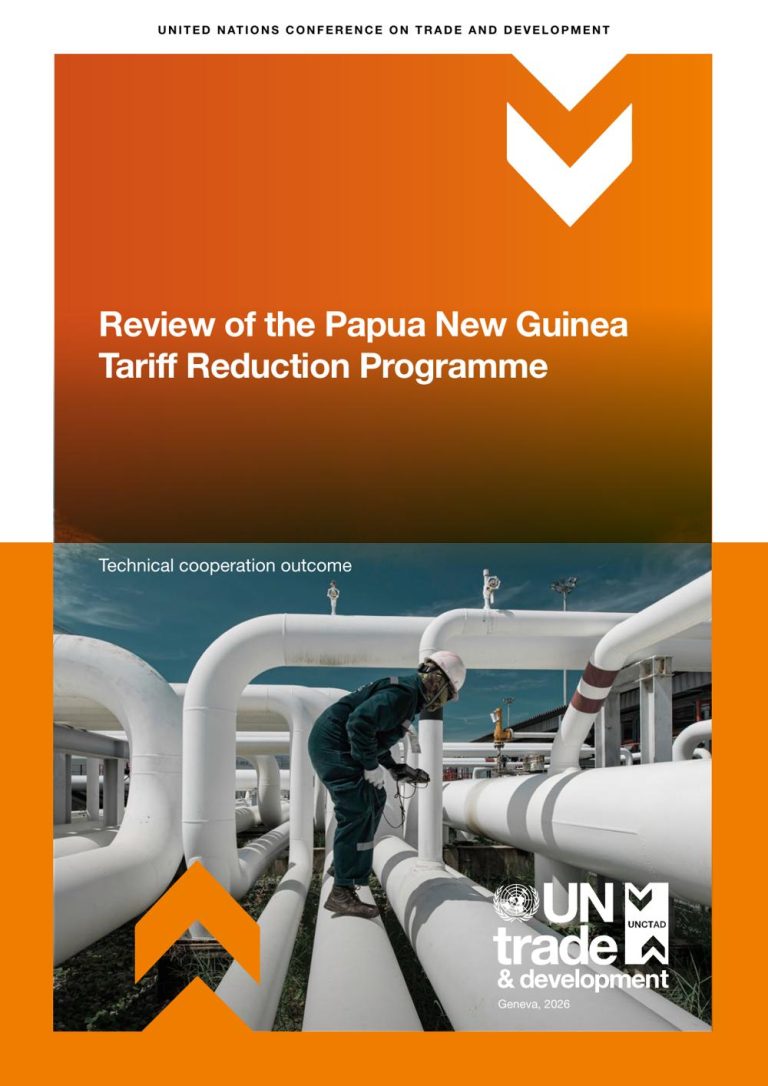
A review by the United Nations Conference on Trade and Development (UNCTAD) has found that tariff reductions alone are not enough to make Papua New Guinea’s economy more competitive, pointing instead to high transport costs, expensive energy, regulatory complexity and policy uncertainty as major barriers facing businesses.

The report, which examined Papua New Guinea’s Tariff Reduction Programme (TRP) from its implementation through to its suspension and partial reversal after 2018, concluded that while tariff policy plays an important role in economic development, it cannot by itself address deeper structural challenges in the economy.

“The report reviews Papua New Guinea’s tariff reduction programme, known as the TRP, from its liberalisation phase to its suspension and partial reversal after 2018.”

“Its central message is clear: tariff policy matters, but tariffs alone cannot build competitiveness. Businesses also face structural barriers, including high transport costs, energy expenses and regulatory complexity.”

The review found that Papua New Guinea used the TRP to lower tariffs and open its economy, reducing average tariff levels to around 3.2 percent by 2015 and making the country one of the most open economies in the Pacific region.

However, the final phase of tariff reductions was suspended in 2018, with the government subsequently increasing tariffs on selected products to protect infant industries and generate revenue.

According to the report, the policy shift reduced certainty for businesses.

“The policy shift created uncertainty. 61 percent of surveyed firms said ad hoc tariff revisions from 2018 to 2020 affected their investment decisions. The report says future tariff policy should be gradual, predictable and evidence-based.”

UNCTAD found that economic growth was stronger during the active TRP period, with Papua New Guinea recording average annual growth of 6.3 percent, compared with 2.0 percent following the programme’s suspension.

However, the report cautioned against attributing that difference solely to tariff policy.

“Commodity cycles, major resource projects and the COVID-19 pandemic also shaped the results.”

The review noted that imports declined from a peak of about US$8 billion in 2012 despite ongoing tariff reductions, while exports expanded, largely driven by the mining, oil and gas sectors.

Modelling conducted for the report showed that a one percent increase in tariffs was associated with an average 2.1 percent decline in import values. However, tariff changes had only limited effects on trade with major partners, indicating broader economic factors played a larger role.

Business responses to the tariff programme were mixed.

“During the TRP period, 36 percent of firms said they benefited from tariff reductions, mainly through lower input costs. But 55 percent said they saw no benefit.”

Following tariff increases after 2018, 53 percent of surveyed firms reported negative impacts.

The report said firms identified deeper challenges including high transport and logistics costs, expensive imported inputs, unpredictable policy settings and regulatory burdens.

“The report says Papua New Guinea should focus less on shielding firms and more on helping them compete. This means improving infrastructure, power supply and customs processes, while lowering costs for key imported inputs.”

The review also found that tariff liberalisation had only a limited impact on government revenue.

“Simulations show tariff cuts during the TRP reduced revenue by about US$7.8 million a year, or just over 1 percent of tariff revenue.”

Although higher tariffs introduced after 2018 were expected to boost collections, actual revenue was estimated to be about US$15.6 million lower than it would have been under 2018 baseline tariff rates.

The report attributed this largely to reductions in tobacco duties, declining import volumes and possible incentives for tariff evasion.

UNCTAD also identified trade-offs for consumers.

“Simulations show a net welfare loss of around US$5.9 million during 2010–2018, driven mainly by sustained high tariffs on beverages and tobacco.”

The report recommends that Papua New Guinea adopt a predictable and evidence-based tariff framework supported by broader reforms aimed at improving competitiveness.

Recommendations include gradual tariff rationalisation, targeted support for infant industries, measures to protect consumer welfare and food security, stronger regional integration, enhanced trade defence capacity and regular policy reviews.

“The broader lesson is that Papua New Guinea needs an open but strategic trade policy. Tariffs can support development goals, but only if they are stable, targeted and backed by action to reduce the real cost of doing business.”

Walking to the polling booth in Noumea

0

By Nic Maclellan

“If I have to walk to the polling booth on election day, I’ll do it,” said Josiane. “But my mother is elderly and it’s too far for her to walk. Without public transport, how can she vote? It’s not fair.”

Josiane lives in Valée du Tir, a suburb on the outskirts of Noumea, the capital of New Caledonia. Like other residents of working-class suburbs in the north of the city, she’s concerned about the reduction of the number of polling booths across the municipality for this month’s provincial elections.

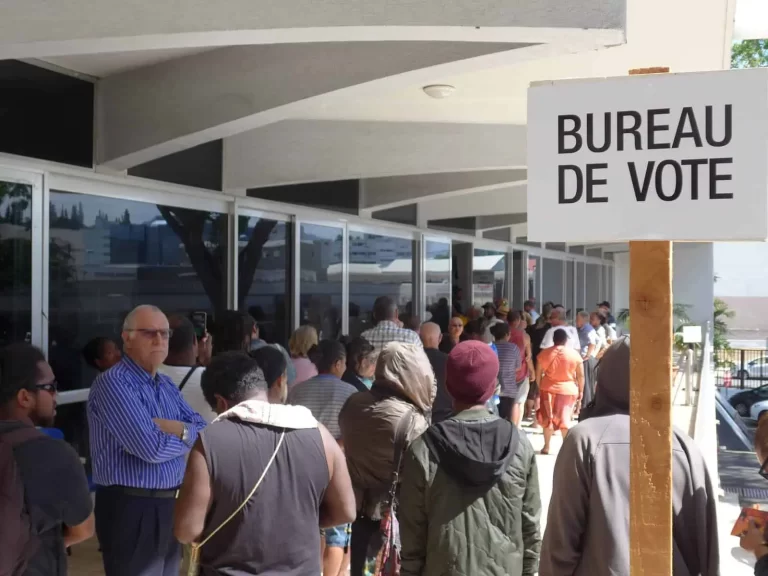
Election day 28 June is a Sunday – but on Sundays, the city’s Taneo bus service doesn’t operate. If you don’t have access to a car, it can be a long walk to a voting booth, after French authorities cut the number of polling stations in the municipality of Noumea by 84 per cent.

New Caledonia’s last provincial elections were held in May 2019, but the normal five-year term was extended beyond May 2024, at a time of violent clashes between Kanak protestors and more than 6,000 French gendarmes, police and anti-terror squads. Since then, the poll has been delayed three times, as the French State attempted – unsuccessfully – to finalise a new political statute for New Caledonia to replace the 1998 Noumea Accord.

However, later this month, New Caledonian voters will elect 76 representatives for three provincial assemblies in the North, South and Loyalty Islands. A proportion of these provincial representatives then make up the 54-member Congress of New Caledonia, which in turn selects the 11-member government of the French Pacific dependency.

The French High Commission in New Caledonia first made an administrative decision in June 2024 to reduce the number of polling stations in the capital Noumea from 57 to seven, for elections to the French National Assembly. Polling stations are normally located in town halls, high schools and other public buildings across each commune, but at the time, French police were hard pressed to control the streets, and some schools had been damaged, looted or burnt.

Since then, New Caledonia has returned to calm, but the reduction of polling sites has been maintained. In the lead up to recent municipal elections in March, a small pro-independence party MNIS sought to overturn the High Commission decision to maintain a reduced number of polling sites. However, their case before Noumea’s Administrative Tribunal was unsuccessful.

Access to the polls

Once again for this month’s provincial election, the French High Commission has decided that the number of voting sites in Noumea will again be reduced, although there are now nine rather than seven locations, after a northern booth at Ko We Kara was split in two last month.

High Commission officials have resisted calls to increase the number of polling stations in poorer suburbs, citing increased costs at a time of economic crisis. High Commission Secretary General Benoît Huber has also argued that “voter turnout in the neighbourhoods in question is still significantly lower than that seen across the city of Noumea as a whole. Even Noumea itself traditionally has a much lower turnout than the rest of New Caledonia. Voter turnout is always lower in working-class neighbourhoods. This is not unique to New Caledonia; it is the reality throughout France.”

This is hardly a ringing endorsement of civic rights, especially as the right to vote is hotly contested in these provincial elections.

Elections for the French presidency, National Assembly and municipal elections are open to all French nationals of voting age registered to vote in New Caledonia. In contrast, elections for the local political institutions – the three provincial assemblies and national Congress of New Caledonia – are held with a restricted electorate of New Caledonian citizens.

For the independence movement, and other parties that are supported by working-class voters, the issue is important in a city dominated by conservative anti-independence parties. Beyond this, the French National Assembly voted on 20 May to add another 10,575 locally born voters to the restricted electoral roll: of these 9,240 are resident in the Southern Province, including 4,185 in Noumea.

On 3 June, Senator Robert Xowie, one of two New Caledonians in the French Senate in Paris, questioned France’s Overseas Minister Naïma Moutchou about the policy. The pro-independence senator highlighted the issue of access to voting sites for poorer voters, many of whom are indigenous Kanak or islanders of Wallisian, Tahitian or ni-Vanuatu heritage.

Xowie criticised “the consolidation of 57 polling stations into nine centralised sites, far from the homes of Kanak and working-class voters.” Noting that this reduction took place during the 2024 state of emergency, he argued that “the emergency is over, the security situation has calmed down, the schools have been repaired, but the exceptional arrangement remains.”

This criticism is echoed by other political and community leaders, whose supporters in Noumea are affected by the lack of public transport on Sundays.

As the issue was debated in the Congress of New Caledonia, Milakulo Tukumuli – president of the Éveil océanien party – raised concern that a reduction of polling sites “across the municipalities of Greater Nouméa into a limited number of sites is grossly disproportionate to local circumstances and…likely to undermine the integrity of the election.”

Eveil océanien draws much of its support from the Wallisian, Futunan and Tahitian communities living in New Caledonia. Noting the lack of public bus services on Sundays, Tukumuli argued that High Commission’s decision affects poorer members of the islander community, as “the majority of residents in working-class neighbourhoods do not own a car.”

Census data shows that there are significant differences in car ownership across the city: 30-40 per cent of households in the northern suburbs do not own a car, more than double the rate for the wealthier southern suburbs.

Measuring disadvantage

The debate around turnout is a crucial issue for candidates in these elections – especially because an electoral list can only win a seat if it reaches the threshold of 5 per cent of registered voters (not those actually voting). In the Southern Province, with 11 competing electoral lists, this means a threshold of around 6,350 votes, no easy task for smaller parties or coalitions.

On top of this, voting is not compulsory in New Caledonia: at the last provincial elections in May 2019, only 67.23 per cent of voters turned out across the Southern Province.

High Commission data from the 2019 poll shows there was already a disparity in turnout between different parts of Noumea, even with more than 50 polling sites. For example, in the wealthy southern suburb of Anse Vata, polling booth number 8 at Fernande Leriche high school saw a voter turnout of 73.70 per cent, higher than the provincial average. In contrast, polling booth number 29 at the Gustave Mouchet school, near the public housing towers of Montravel, saw a turnout of just 47.99 per cent, nearly 20 per cent lower than the provincial average.

In a recent statistical study on the Contours blog, cartographer Jonas Brouillon has measured the effect of combining 57 polling booths into nine. Brouillon models the walking time to a polling station, reporting “the consolidation of polling stations has a tangible impact on access to voting at neighbourhood level.” In his data analysis, Brouillon finds that “the grouping of sites has the greatest impact on the tail of the distribution: in the nine-centre scenario, 17.2 per cent of the population is more than a 30-minute walk away, compared with 5.2 per cent in the baseline scenario” [i.e. with 57 booths].

Speaking to Islands Business, Brouillon explained that “what we’re seeing is that there’s a significant increase in journey times in my model. There are neighbourhoods where the proportion of households without a car is almost one in two; in these neighbourhoods, therefore, the issue of walking journey times is even more pressing.”

Based on his modelling, “the average walking time has gone from 13 minutes to about 22 minutes – give or take – which means a return trip takes nearly three-quarters of an hour. You’ve got to be pretty motivated to walk for three-quarters of an hour just to go and vote. What’s more, these are already areas where it’s not easy to get around without a car.”

This raw data just scratches a much more complex reality, in a city marked by enormous inequalities in social, cultural and economic life. As Brouillon stresses, “these indicators describe a situation; they do not claim to, nor are they sufficient to, identify a single cause for abstention.”

The decision whether to turn out to vote involves people’s level of interest in politics, education levels, literacy, access to electoral information, or ability to organise a proxy vote. In New Caledonia, as across the globe, there is growing mistrust of the political class, especially amongst many young people (as highlighted by the young age of the rioters and protestors during the 2024 crisis). But the current policy seems to add yet another layer of disparity between business people, public servants, poorer workers and people living in squatter settlements, suggesting the distance to the nearest polling booth can be one element affecting the turnout.

“I would point out that, at the moment, there are no buses running on Sundays to take people to the polling stations,” Brouillon said. “So how are people supposed to get there, apart from walking or by carpooling? It’s important that people go and vote – or are we just making it even harder for them to do so? The reduction of voting sites is, after all, a rather unusual measure. In fact, I don’t think there are any other places in the French Republic where there has been such a reduction in the number of physical polling stations.”

Legal challenge

Earlier this month, the largest pro-independence party Union Calédonienne (UC) lodged a request for an injunction before Noumea’s Administrative Tribunal, seeking to overturn the reduction in polling locations. However, on Friday 12 June, the Tribunal rejected the application on form, without addressing the substance of detailed arguments.

While awaiting a final ruling on the case, which may not be made until after the 28 June election, UC has lodged an application for interim relief against the municipality of Noumea, the bus company Taneo and the French High Commissioner, “in order to secure the provision of a shuttle service on Sunday 28 June 2026.”

With less than two weeks to election day, UC and other parties are also organising on the ground, calling on voters in working-class neighbourhoods to self-organise transport to assist the vulnerable to exercise their right to vote.

In a statement, UC Secretary General Dominique Fochi said: “The public transport service provided by Taneo does not operate on Sundays. Some voters will have to travel up to 4 kilometres to reach their polling site. This will particularly affect the elderly, pregnant women and families without a car.”

“The transport issue remains unresolved for the municipality of Noumea,” Fochi said, “but it is also encountered in inland municipalities and in the islands at every election. In the current context of economic and social crisis, it is the most disadvantaged sections of the population who continue to be at a disadvantage when it comes to exercising their right to vote on an equal footing.”

Vanuatu celebrates historic appointment of Anna Naupa as MSG Director General

Vanuatu has hailed the appointment of Dr Anna Naupa as the new Director General of the Melanesian Spearhead Group (MSG), making her the first woman and first ni-Vanuatu to lead the regional organisation in its 40-year history.

In a statement the Office of Prime Minister Jotham Napat described the appointment as a historic achievement for Vanuatu and the wider Melanesian region.

“Today, Vanuatu stands proud.

“Dr Anna Naupa – one of our nation’s finest minds and respected leader in development – has been appointed Director General of the Melanesian Spearhead Group (MSG),” the statement said.

The government noted that since the MSG was founded in 1986 by former leaders including Paias Wingti, Walter Lini, Ezekiel Alebua and representatives of the FLNKS, Vanuatu had never held the organisation’s top post.

“This is a historic moment. Since the MSG was founded in 1986 by the giants of Melanesia – Paias Wingti of Papua New Guinea, Father Walter Lini of Vanuatu, Ezekiel Alebua of Solomon Islands, and our brothers from the FLNKS – Vanuatu has waited 40 years to lead this organisation. Today, that wait ends.”

The Prime Minister’s Office said Dr Naupa’s appointment was also significant for women across the region, highlighting the importance of female leadership in regional institutions.

“As a woman taking the helm, Naupa’s appointment sends a clear message to every young ni-Vanuatu girl: aspire for the best, because the highest offices in our region are within your reach. Her leadership will inspire a new generation to dream bigger and serve boldly.”

The government expressed confidence in Dr Naupa’s ability to lead the regional organisation and praised the selection process that led to her appointment.

“The Vanuatu Government holds immense confidence in Dr Naupa’s capabilities, leadership, and integrity. We commend the MSG and the selection team for a transparent process that has delivered the right leader for this moment.”

Prime Minister Napat also extended his congratulations and best wishes to the incoming Director General.

He wishes her strength, wisdom, and every success as she takes up this critical role.

“We know the MSG was born from struggle – its heart has always been the political aspirations of the Kanak people and the big issues facing Melanesia. Over the years the organisation has grown, expanding its focus to trade, sports, culture, and other areas of common interest that bind our nations. Vanuatu believes the success of the MSG under Dr Naupa’s leadership will depend on never losing sight of that founding spirit — solidarity, justice, and self-determination for our peoples.’

Anna, you carry not just a title, but the hopes of a region. You carry Vanuatu’s pride, Melanesia’s trust, and the spirit of Father Walter Lini’s vision. Go well, lead boldly, and make Melanesia shine,” he said.

“Congratulations, Director General Dr Anna Naupa,” said PM Napat.

Meanwhile, Fiji’s Prime Minister and Chair of MSG, Sitiveni Rabuka, has extended his warm congratulations to Dr Anna Naupa of Vanuatu on her appointment as the new Director General of the MSG Secretariat.

Rabuka welcomed the appointment as a significant milestone for both Vanuatu and the wider Melanesian family, noting that Dr Naupa brings a wealth of experience, strong leadership credentials, and a deep understanding of the region’s development priorities.

“As Chair of the MSG, I congratulate Dr Anna Naupa on her appointment and wish her every success as she assumes this important leadership role,” Rabuka said in a statement.

“Her appointment reflects the confidence of MSG members in her ability to guide the Secretariat and advance our shared vision for a stronger and more prosperous Melanesia.”

The Prime Minister acknowledged the historic nature of the appointment, marking the first time a ni-Vanuatu has been selected to lead the MSG Secretariat since the organisation’s establishment in 1986.

“Dr Naupa’s appointment is also an important achievement for women across Melanesia and the Pacific. Her success demonstrates the growing contribution of women in leadership and serves as an inspiration to future generations throughout our region,” he said.

Prime Minister Rabuka reaffirmed the MSG’s enduring commitment to the principles upon which it was founded — solidarity, cooperation, respect, and support for the aspirations of Melanesian peoples.

“Under Dr Naupa’s leadership, we look forward to building on these achievements while remaining true to the values and vision that have guided the MSG for four decades.”

Dr Naupa thanked the MSG and secretariat for her appointment, saying she is ready to serve and fulfill her duties for the benefit of Melanesia.

Stay connected

529FansLike
172FollowersFollow
156SubscribersSubscribe
- Advertisement -