


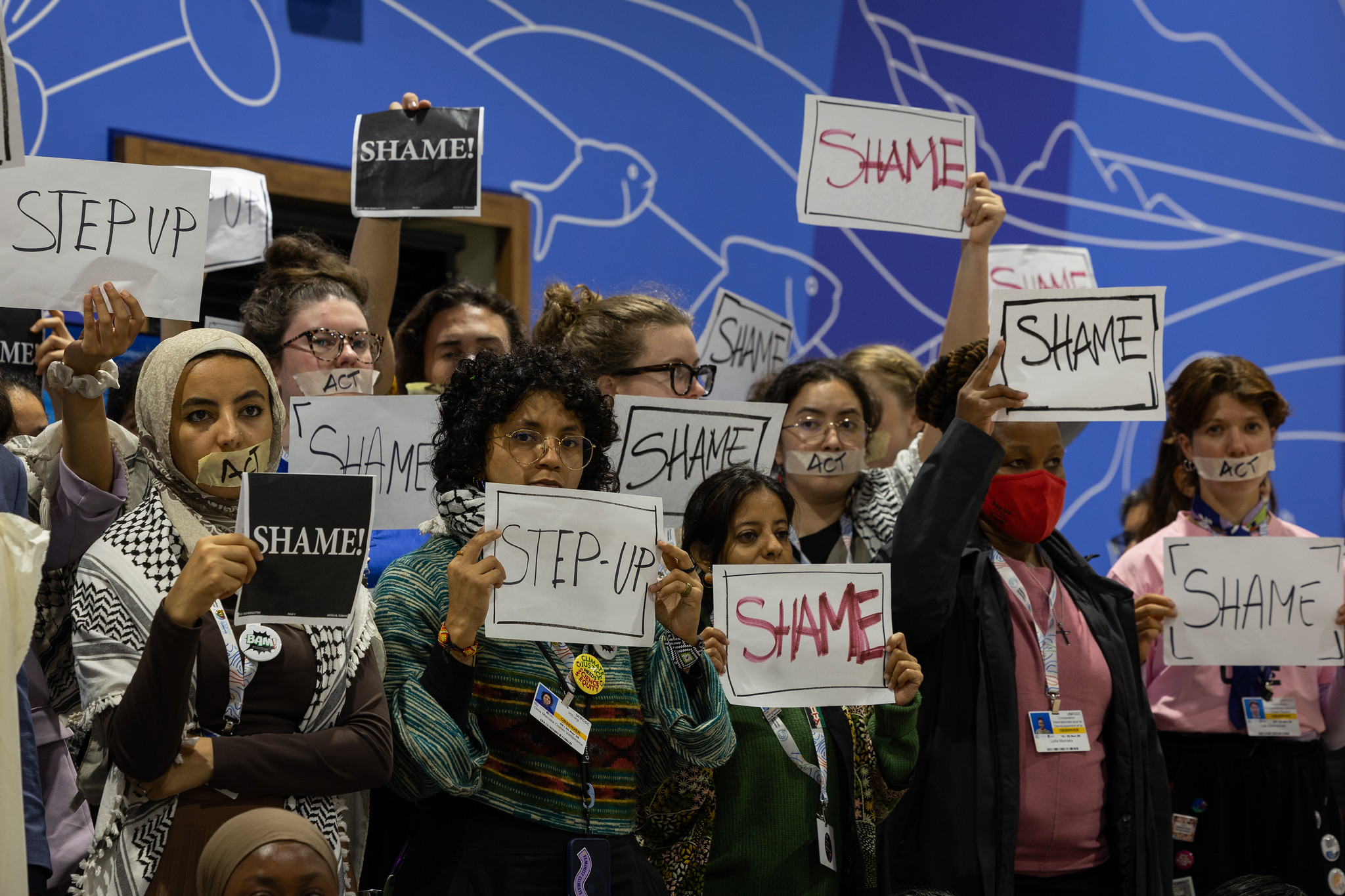
Pacific Island advocates and leaders have pledged to hold strong in advocating for climate action despite a disappointing end to the latest global climate talks.
A failure to mention fossil fuels’ climate impact torpedoed the COP31 summit’s draft agreement on Sunday, giving Australia a black eye after it lobbied hard to host the talks and voice Pacific concerns.
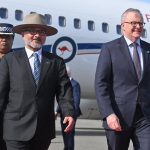
The collapse came despite Australian Climate Change Minister Chris Bowen leading negotiations at the conference.
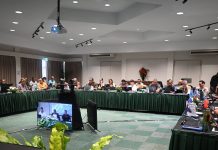
Pacific delegates to the summit have returned from Turkey to a sombre mood across the region.
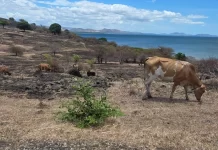
Representatives from Fiji arrived home to water rationing and intensifying drought according to Alliance for Future Generations executive Eparama Qerewaqa, who is based on the island nation.
“Rest is needed but the work continues, now even stronger than before,” he told AAP, expressing his disappointment the existential threat of climate change has fallen on deaf ears once again.
“Our communities are already doing the work of adaptation and survival. They should not have to keep waiting for the world to catch up.”
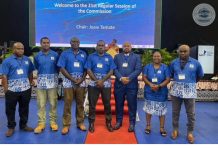
It’s a sentiment echoed by Tuvalu Environment Minister Maina Talia and the 18 other Pacific climate leaders now needing to work out their own way forward as rising tides threaten the islands’ shores.
Many of the nations will form their own smaller coalitions to tackle the issue.
Talia was optimistic other summits would prove more fruitful.
“Next year, Tuvalu and Ireland will host the Second Conference on a Just Transition Away From Fossil Fuels with a growing coalition of doers,” he said.
“It is moving beyond debating whether fossil fuels are simply mentioned in a text, to creating detailed plans for a global transformation.”
Australia must act on its promises to advocate for Pacific, Climate and Health Alliance chief Michelle Isles said.
“And back Tuvalu and Ireland’s 2027 conference as the next major milestone to lock in those commitments,” she told AAP.
“Australia must press other wealthy nations to turn the call to triple adaptation finance by 2035 into a concrete plan.”
Australia leading the conference’s negotiations also sat uncomfortably with Pacific allies, University of Canberra environment expert Sotiris Vardoulakis said.
“We should be taking some of the blame as a fossil fuel exporting country (as) one of the major exporters of coal and gas,” he told AAP.
Australian domestic policy’s contradiction with its climate ambitions had long plagued the nation’s standing in the region, Professor Vardoulakis said.
“The lack of consistency between climate diplomacy and export policies in Australia … that will be concerning for Pacific countries,” he said.
For non-profits such as those headed by Qerewaqa in Fiji, COP remains an important space despite the frustrations with key allies like Australia posing as a “brother” to the Pacific region.
“The Pacific is clear on its priorities, so it’s about time Australia does as well.”
Part of the co-hosting deal Australia eventually landed on with Turkey involved a pre-COP meeting in Fiji and Tuvalu to showcase rising sea levels.
At home, Australia’s leadership has been slammed as a failure and a waste of taxpayer money.
Nationals leader Matt Canavan compared it to the failed Voice referendum, which cost about $300 million (US$199 million) to return the status quo.
Foreign Minister Penny Wong said conferences such as COP were hard places to strike deals, given they required consensus.