

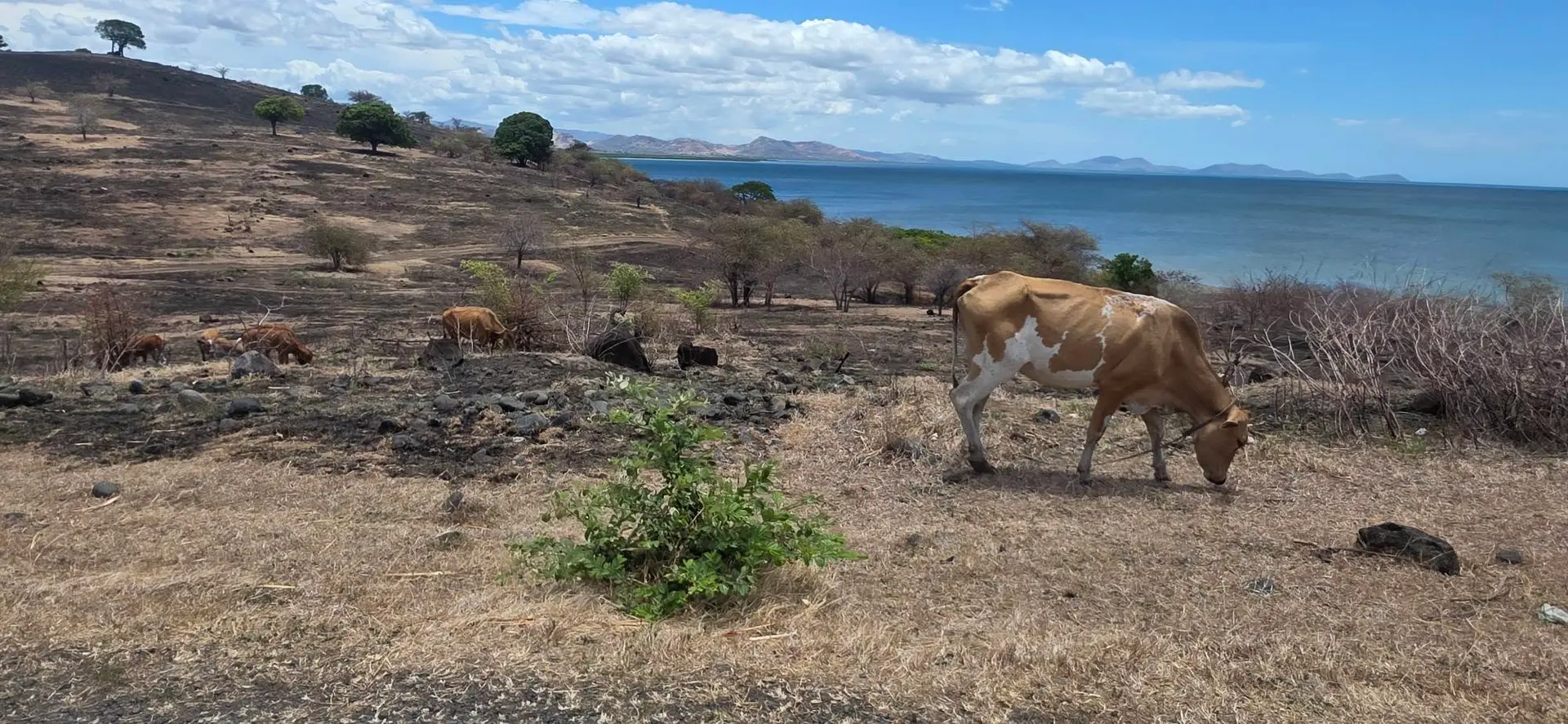
Fijians could face prolonged water shortages into early 2027, with below-normal rainfall expected to persist beyond the peak of the current El Niño event.
Permanent Secretary for Rural and Maritime Development and National Disaster Control Mitieli Cama warned on Tuesday that the country’s drought emergency could continue beyond the peak El Niño period.
He said the latest updates from the Fiji Meteorological Service confirmed that El Niño conditions remained strong, with peak conditions expected around November and December 2026.
“The seasonal outlook indicates that below normal rainfall is likely to persist into early 2027. This means that the drought emergency we are currently managing may extend beyond the peak El Nino period,” Cama said.
Government is implementing measures to maintain essential services amid prolonged dry conditions and increasing pressure on water resources.
These include prioritising water supply to hospitals, health centres and schools, strengthening water storage and emergency supply arrangements, and implementing water conservation measures.
Energy Fiji Limited has also reported declining hydropower reserves and is making arrangements to strengthen standby electricity generation capacity, including additional generators where required.
In the agriculture sector, six drought response initiatives have been identified to support water access, irrigation, agricultural livelihoods and recovery.
Cama said the effects of the drought extended beyond water shortages, with implications for food security, household income, agricultural production and the wider economy.
“Our response must therefore address both the immediate needs of affected communities and the longer-term impacts of this drought.”
Government agencies are continuing to assess service delivery risks and identify contingency arrangements to minimise disruptions, particularly in remote communities and among vulnerable populations.
“We will continue to monitor the situation closely, strengthen our operational coordination, and adjust our interventions as conditions evolve,” Cama said.
Meanwhile, ninety-two communities across Fiji are without water supply, while another 372 are experiencing critical water levels as the El Niño drought continues to place pressure on the country’s water resources.
Assessments conducted by the National Disaster Risk Management Office (NDRMO) across 733 communities also identified 244 communities approaching critical water levels.
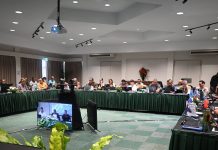
Permanent Secretary for Rural and Maritime Development and National Disaster Control Mitieli Cama revealed the figures during an update on Government’s national drought response last night.
The Water Authority of Fiji has also reported that approximately 61.36percent of monitored water sources have reached critical levels.
“This is a significant concern and highlights the urgency of our response,” Cama said.
“These figures demonstrate the scale of the challenge before us.”
Government agencies, with support from partners, are accelerating emergency water carting, borehole activation, alternative water sources and water treatment initiatives to restore access to safe drinking water.
Cama said emergency operations centres at national and sub-national levels would remain the central coordination points for Government agencies, non-governmental organisations and individuals providing assistance.
This is intended to ensure effective resource allocation, avoid duplication of assistance and minimise harm to communities.
Particular attention is being given to remote communities and vulnerable populations.
“I also wish to reassure affected communities that the government, through the NDRMO, NEOC, and relevant agencies, is working to ensure that assistance is prioritised according to the verified needs and severity of the situation.”
Cama urged households to prioritise water for drinking, cooking and essential hygiene and report serious water shortages to the relevant authorities.
In another development Health authorities are strengthening disease surveillance in drought-affected communities as worsening water shortages raise concerns over access to safe drinking water, sanitation and hygiene.
Cama said Government was taking measures to prevent water-related diseases and protect vulnerable communities.
“The Ministry of Health and relevant agencies are strengthening disease surveillance and preparedness in affected communities, while promoting safe drinking water, sanitation, and hygiene to prevent water-related diseases,” Cama said.
The measures come as assessments conducted by the National Disaster Risk Management Office across 733 communities identified 92 communities without water supply and another 372 experiencing critical water levels.
Government is prioritising water supply to hospitals, health centres and schools while strengthening water storage and emergency supply arrangements.
Agencies are also monitoring critical facilities and assessing risks to the continued delivery of essential services.
Cama said Government was monitoring the needs of vulnerable households, including women, children, older persons and persons with disabilities, to ensure they received the necessary support.
Government agencies and partners are accelerating emergency water carting, borehole activation and water treatment initiatives to restore access to safe drinking water.
“Prioritise water for drinking, cooking, and essential hygiene. Report serious water shortages to the relevant authorities.”
Cama also encouraged Fijians to look out for vulnerable members of their communities, particularly those requiring additional assistance.
He said Government’s immediate priority remained safeguarding access to safe drinking water, protecting vulnerable communities and maintaining essential services throughout Fiji.