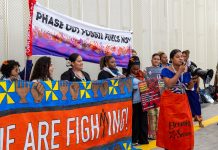

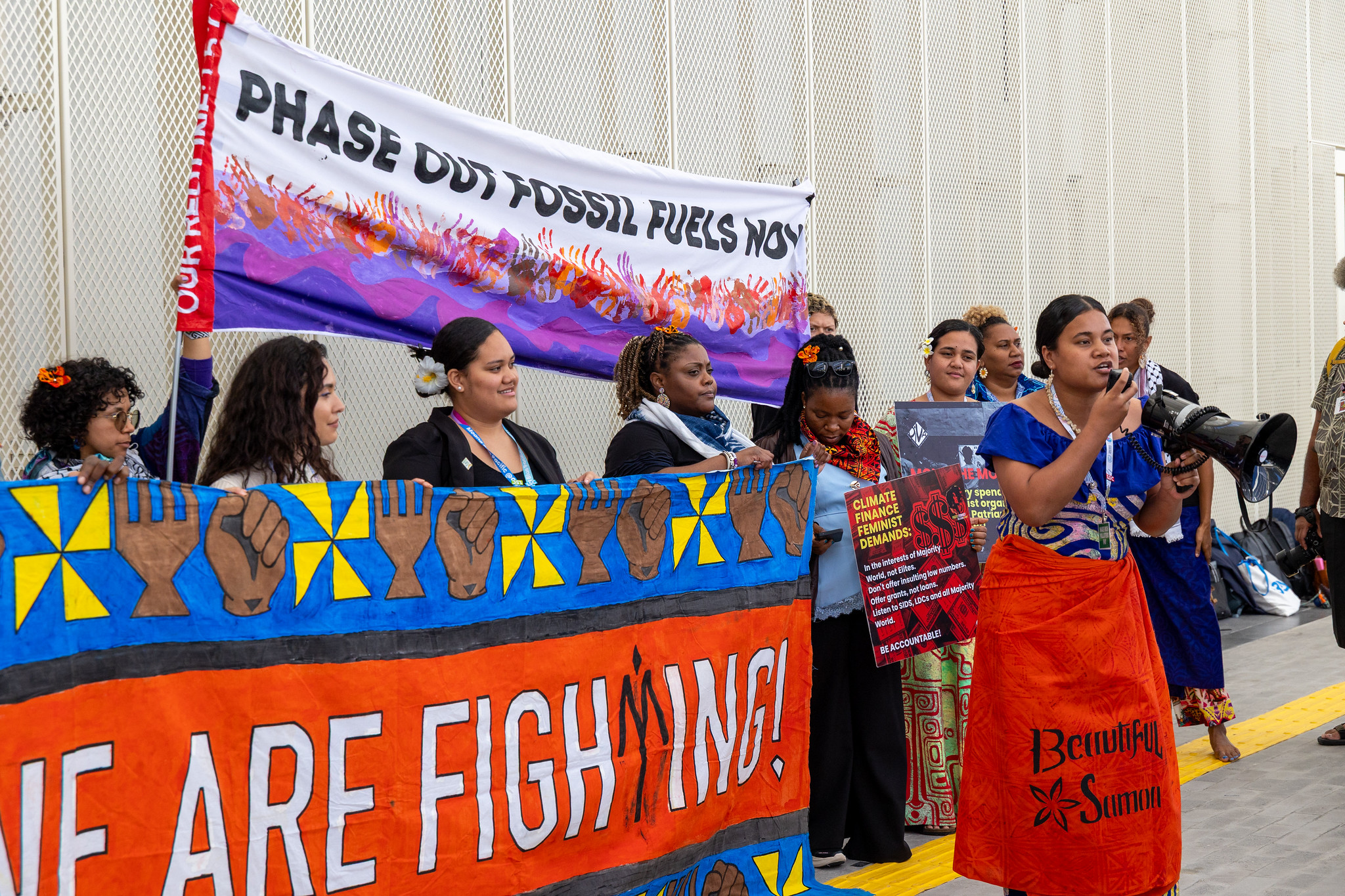
Tuvalu and Vanuatu have joined an international coalition working to phase out fossil fuel subsidies, committing to identify government support for fossil fuels and develop national plans for reform.
The two Pacific nations announced their membership of the Coalition on Phasing Out Fossil Fuel Incentives Including Subsidies (COFFIS) on Tuesday on the sidelines of the United Nations climate change conference (COP31) in Antalya, Türkiye.
Tuvalu’s Minister for Home Affairs, Climate Change and Environment Maina Vakafua Talia said reducing dependence on imported fossil fuels was critical to the country’s energy security and economic resilience.
“For Tuvalu, transitioning away from fossil fuels is not only a climate imperative. It is essential to our energy security and economic resilience,” Talia said.
He said joining the coalition would help Tuvalu identify and address incentives that continued to reinforce dependence on fossil fuels while working with other countries on practical solutions.
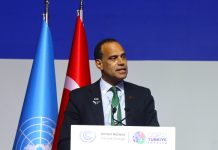
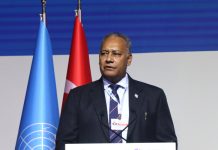
Vanuatu’s Minister for Climate Change Adaptation, Energy, Environment and Disaster Management Ralph Regenvanu said fossil fuel dependence exposed Pacific economies to volatile international fuel prices and threatened energy security.
“For Vanuatu and other Pacific island nations, transitioning away from fossil fuels is not simply about reducing emissions. It is about strengthening our energy security, protecting our people from volatile fuel prices, and building more resilient economies,” Regenvanu said.
He said membership would improve transparency around fossil fuel subsidies and help governments identify opportunities to redirect public resources towards renewable energy and stronger electricity grids.
Under their membership commitments, Tuvalu and Vanuatu will publish national inventories of fossil fuel subsidies within one year and develop national phase-out action plans within two years.
COFFIS supports governments through three areas of cooperation: identifying and publishing fossil fuel subsidies, sharing international experience and developing nationally appropriate plans for socially just reforms.
The coalition now has 19 member countries, including the Republic of the Marshall Islands, New Zealand, Australia’s Pacific neighbours and several European nations.
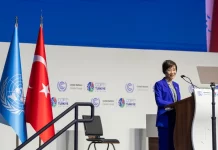
Marshall Islands Minister in Assistance to the President and Minister of Environment Jess Gasper Jr welcomed the two countries, saying Pacific nations were working together to reduce dependence on imported fuels and build more sustainable energy systems.
“We are proud to welcome Tuvalu and Vanuatu to COFFIS. Across the Pacific, we know firsthand the costs of fossil fuel dependence, from volatile energy prices to the growing threats of climate change. But Pacific countries are not waiting for others to act”.
The Marshall Islands recently published its first national fossil fuel subsidy inventory, which Gasper said demonstrated that small island countries could take practical steps towards reform with appropriate support.
“We are working together to build a more secure and sustainable energy future. The Marshall Islands recently published its first fossil fuel subsidy inventory, demonstrating that even countries with limited resources can take concrete steps towards reform when they have the right support.
“With Tuvalu and Vanuatu joining us, we can strengthen this cooperation and show how Pacific leadership can help turn global commitments into real change for our people.”
COFFIS was launched by the Netherlands at COP28 in Dubai to help governments translate international commitments on transitioning away from fossil fuels into national policies.
At COP28, countries committed to transitioning away from fossil fuels in energy systems and phasing out inefficient fossil fuel subsidies that do not address energy poverty or just transitions as soon as possible.
However, global fossil fuel subsidies remained at about US$921 billion in 2024, despite declining from record levels during the 2022 energy crisis.
The International Institute for Sustainable Development, which serves as the coalition’s secretariat, said subsidy reform could free up public resources for renewable energy, electrification and social protection while reducing exposure to international fuel price fluctuations.
It said reforms must be carefully designed to protect vulnerable households and businesses rather than abruptly withdrawing support.
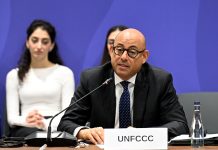
The Netherlands’ Minister of Climate and Green Growth Stientje van Veldhoven welcomed Tuvalu and Vanuatu, saying subsidy reform was essential to moving from international climate commitments to practical action.
“We warmly welcome Tuvalu and Vanuatu as new members of COFFIS. Their decision to join comes at an important moment, as countries move from commitments to transition away from fossil fuels towards practical implementation. Fossil fuel subsidy reform is an essential part of this effort, and a key priority under the Santa Marta process, which the Netherlands helped launch to address the economic and financial challenges of the transition.
“Through COFFIS, governments are taking concrete steps to identify subsidies that perpetuate fossil fuel dependence and develop credible, socially just plans to phase them out. By sharing experiences and working towards common standards, we can accelerate progress and help countries align public spending with a cleaner, more resilient energy future,” said van Veldhoven.