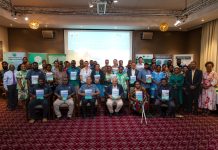

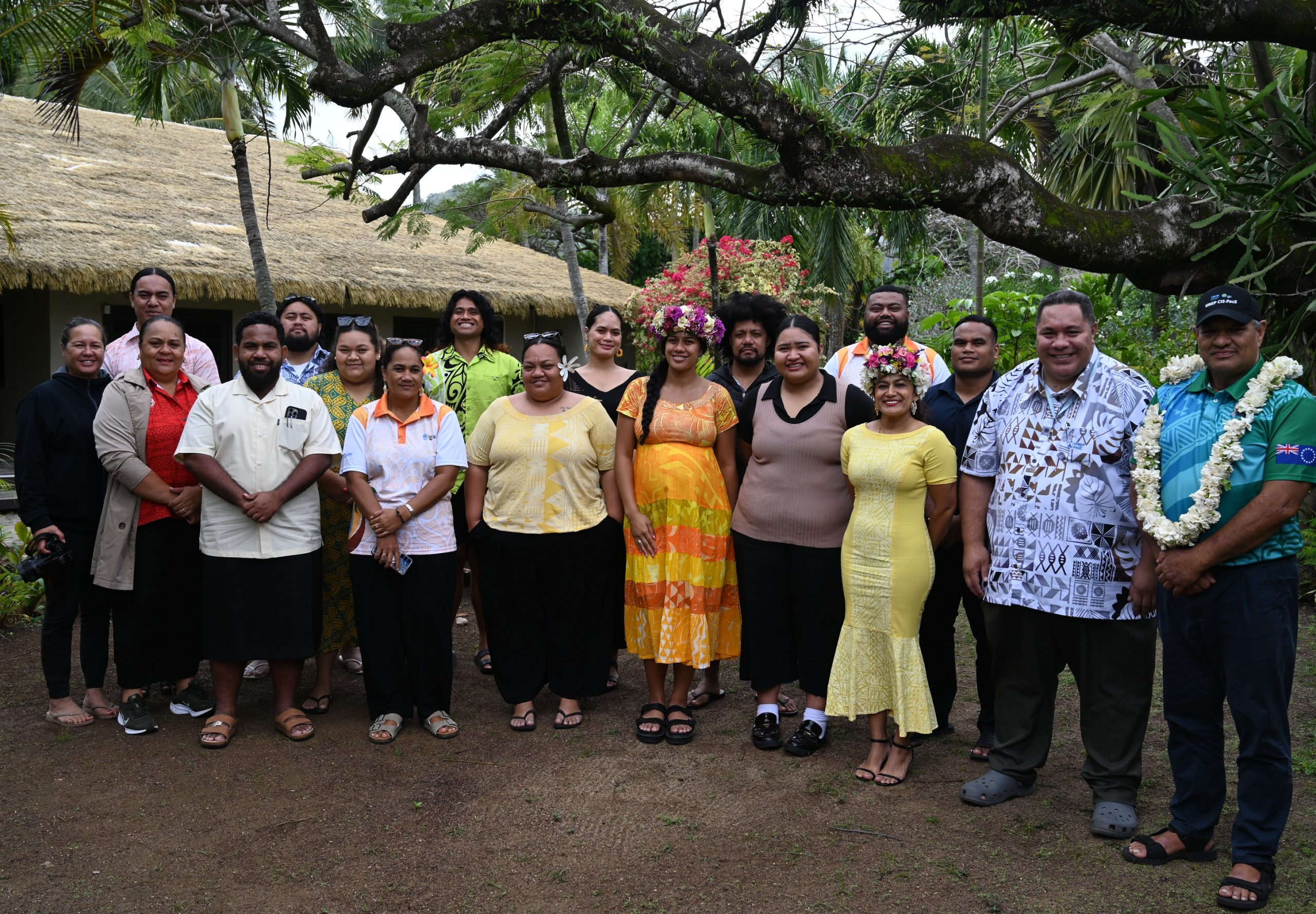
National Meteorological Services and media representatives from Fiji, Cook Islands, Tuvalu and Tonga, together with regional and national media, are in Rarotonga this week for a five-day Knowledge Brokers in Climate Services training, as the Pacific prepares for what scientists indicate could be the most intense El Niño on record.
The Polynesia Sub-Regional Knowledge Brokers in Climate Services Training for National Meteorological and Hydrological Services (NMHSs) opened on Monday 2 November at the Crown Beach Resort and runs until Friday 6 November. It is delivered by the Secretariat of the Pacific Regional Environment Programme (SPREP) through the European Union-funded Intra-ACP Climate Services and Related Applications (ClimSA) Pacific Programme with support from the Climate and Oceans Support Program in the Pacific (COSPPac).
Knowledge brokers connect the people who produce climate information with the people who need it to make decisions. Over the week, participants are working through the climate services value chain, stakeholder analysis, writing media releases and pitches alongside journalists, digital content and social media, inclusive communications, and tools for gathering user feedback.
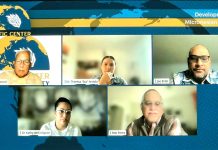
Speaking at the opening, Lagomauitumua Sunny Kamuta Seuseu, Regional Coordinator of the Pacific Climate Centre Network based at SPREP said the timing of the training was critical.
“A forecast only protects people when it reaches them in time, in a format they trust, and when they know what to do with it. With the Pacific heading into what could be the most intense El Niño on record, the role of our Met Services as knowledge brokers has never been more important,” said Seuseu.
The Director of the Cook Islands Meteorological Service, Maara Vaimene, said understanding the people who use climate information is central to the work.
“A Met Service is only as useful as its understanding of the people using its information. Knowing who our users are, what they need and how they use our forecasts, and then building ways for them to tell us what is working and what is missing, is how we make sure our services work for our communities,” said Director Vaimene.
The Polynesia Knowledge Broker training is the third in a regional series. Sub-regional trainings were held in Honiara, Solomon Islands, in May 2025 for Melanesia, and in Pohnpei, Federated States of Micronesia, in September 2025 for Micronesia. The results are evident in the outputs of the participating countries in those sub-regions, and SPREP hopes to continue the training and the peer-to-peer sharing between Pacific Met Services that comes with it.
The training was developed following an assessment by SPREP and has been trialled with NMHSs. It continues to be refined, and feedback from participants is a critical part of that process. Fourteen (14) Pacific Island countries have been trained across the programme’s training activities, with about 34 percent of those trained being women.