


The current El Niño event is continuing to strengthen, with forecasts indicating it could surpass the intensity of all previous El Niño events recorded since 1950.
The latest regional outlook, presented in the statement from the 19th Pacific Islands Climate and Ocean Forum (PICOF-19), confirms that El Niño is firmly established in the region and continues to strengthen. The event is likely to persist through March 2027, with the peak period being November to January.
The Secretariat of the Pacific Regional Environment Programme’s (SPREP) Director of Climate Science and Information, Salesa Nihmei said this means Pacific Island countries will need to remain prepared for prolonged El Niño-related impacts that will affect food security, water resources, livelihoods and economic development.
“Countries must be prepared to face prolonged impacts of El Niño,” Nihmei said.
“For some countries, they will continue to feel the impacts well into the dry season in 2027 even after this El Niño event ends,” he added.
El Niño is a naturally occurring climate phenomenon where ocean temperatures in the central and eastern Pacific Ocean become warmer than normal, causing atmospheric and ocean patterns to change and resulting in drier than normal conditions for some countries and wetter than normal conditions for others.
The PICOF-19 revealed that the rainfall outlook for the next six months predicts below-normal rainfall across much of the northwest Pacific from Palau to the Marshall Islands, and in the southwest Pacific from Papua New Guinea to southern French Polynesia.
Above-normal rainfall is favoured in the central equatorial Pacific, from Naoero to eastern Kiribati.
While El Niño is a natural part of the climate system, its impacts can be far-reaching, particularly for Pacific Island communities whose livelihoods, food and water security, infrastructure and economies are highly dependent on climate conditions.
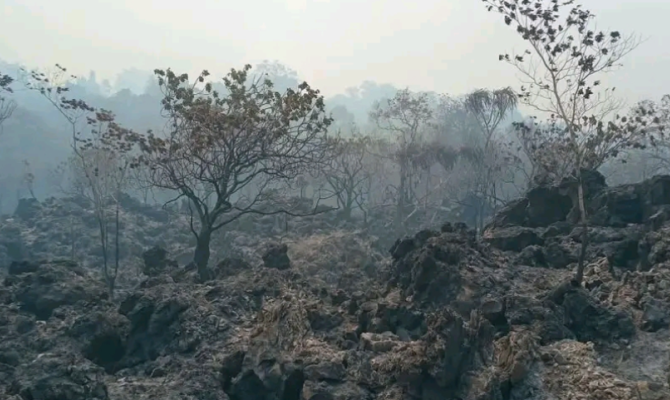
Impacts have already been reported from across the region, with PNG providing the rest of the Pacific with a warning to act now and prepare for the worst to come. Prolonged periods of no rainfall in PNG have resulted in droughts and water shortages, lower river levels impacting transportation and industries, and extreme frosts in the highlands have killed crops and other food sources communities heavily rely on.
National Meteorological and Hydrological Services (NMHSs) from across Melanesia, Micronesia and Polynesia also reported during PICOF-19 that the El Niño impact is starting to manifest itself across the region.
Following PICOF-19, NMHSs across the Pacific will be providing more detailed, country-specific climate information through their respective National Climate Outlook Forums (NCOFs) in the coming weeks.
These national forums will translate the regional outlook into relevant information for individual countries, bringing together meteorological services, government agencies, sector representatives and other stakeholders to discuss anticipated climate conditions and their potential impacts.
The NCOF will provide important guidance to support preparedness and decision-making across key sectors, including water, agriculture, fisheries, health and disaster management.
As the region moves into the peak months of this El Niño event, communities and stakeholders are encouraged to stay informed through their national meteorological services and take appropriate preparedness measures.
With the event potentially becoming the strongest on record, timely climate information and coordinated early action will be essential in helping Pacific communities anticipate and manage the challenges ahead.