


Coastal flood damage across Asia and the Pacific could rise to between US$172 billion and US$199 billion annually by 2050 without stronger adaptation measures, threatening millions of people, livelihoods and critical infrastructure, the Asian Development Bank (ADB) warns.
The ADB’s Asia-Pacific Climate Report 2026 says annual coastal flood damage, estimated at about US$27 billion today, could increase to between US$519 billion and US$739 billion by 2100 if countries fail to invest in resilience.
More than 400 million people across ADB developing member countries with coastlines live within 10 kilometres of the sea, while coastal areas generate about US$7 trillion in economic activity annually.
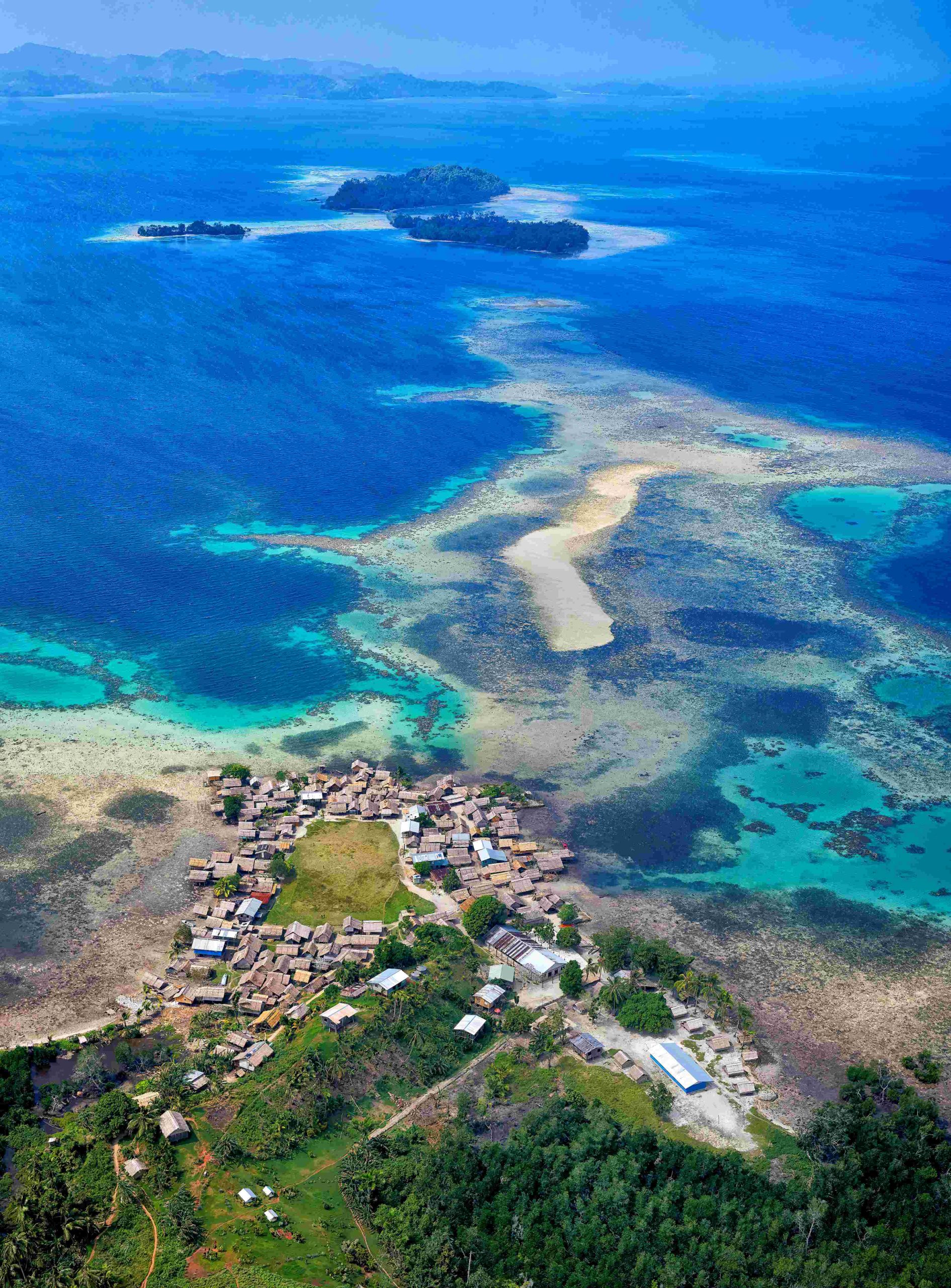
The report says rising sea levels, coastal flooding and shoreline erosion pose growing risks to ports, fisheries, tourism, food security and communities, with small island developing states particularly vulnerable to the impacts.
“Coastal risks and economic damages are rising rapidly,” the report says, warning that the costs of inaction will increase as development and settlement continue in exposed areas.
Between 1985 and 2015, coastal settlements across the region grew by 66.8 percent, while settlements exposed to flooding increased by 92.3 percent.
The report projects sea levels could rise by 20 to 35 centimetres by 2050 across much of the region, increasing to about 50 to 80 centimetres by 2100 under an intermediate emissions pathway. Under a high-emissions scenario, sea-level rise could approach one metre in some locations.
More than 30 million people could be affected by coastal flooding each year by 2050 under high-emissions scenarios, rising to more than 100 million by 2100.
The ADB says the consequences extend beyond damage to buildings and infrastructure, affecting nutrition, health, livelihoods, cultural identity and the natural systems that protect coastlines.
For Pacific island countries, damage to coral reefs and fisheries can have particularly severe consequences because communities depend on them for food, income and coastal protection.
The report identifies women, poorer households and communities heavily dependent on the ocean as facing greater risks, often with fewer resources to prepare for disasters or recover from losses.
It estimates that 124,000 women in the Pacific could be pushed into food insecurity by 2030 due to climate-related factors, compared with 102,000 men.
The ADB says investing in coastal protection could significantly reduce future losses.
Annual investment of US$9 billion to US$19 billion in coastal protection could avoid between US$178 billion and US$360 billion in annual flood damage, delivering benefits of up to 20 times the investment cost.
However, the report stresses that there is no single solution for every coastline. Governments must assess local risks and development needs, with options including strengthening infrastructure, restoring natural barriers, adapting buildings and services, raising land and, where necessary, planned relocation.
Financing remains a major challenge.
The report estimates coastal resilience needs across the region at about US$20 billion annually, equivalent to around one percent of gross domestic product. For small island developing states, adaptation needs could amount to between 2.4 and 3.9 percent of GDP.
International public adaptation finance to coastal economies in the region increased from about US$5 billion in 2015 to an average of US$11.4 billion annually in 2022 and 2023. However, the report says current funding remains below estimated needs.
It calls for stronger public financial management, more concessional finance, improved disaster risk financing and greater mobilisation of private investment where appropriate.
The report urges governments to integrate coastal risks into national development and investment planning, strengthen institutions and coordination, and maintain long-term community ownership of resilience programmes.
“Coastal resilience isn’t about holding back development,” the report says. “It is about making smart choices now so coastal communities can adapt and thrive.”.