

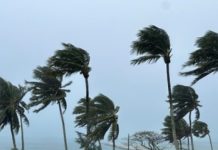
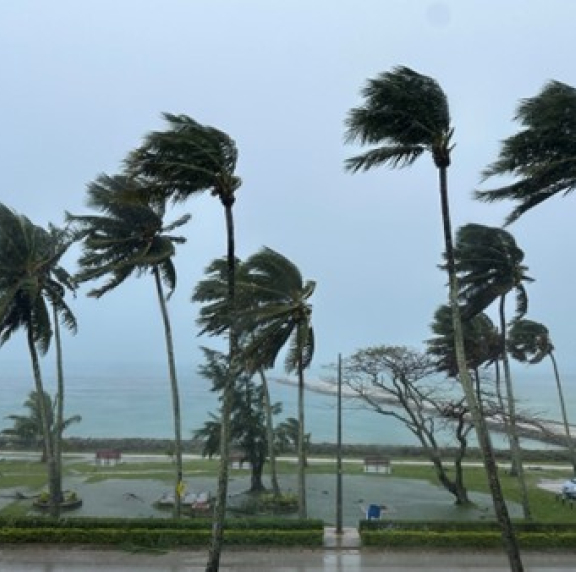
The Southwest Pacific could experience seven to 11 named tropical cyclones during the 2026/27 season, with at least four expected to reach Category 3 or higher as activity increases across parts of the region.
The outlook, coordinated by Earth Sciences New Zealand, warns that cyclone impacts could be more likely near and east of the International Date Line, where activity is usually lower.
The tropical cyclone season typically runs from November to April, but forecasts indicate it could start earlier this year.
Dr Andrew Lorrey, Principal Scientist for Climate and Environmental Applications at Earth Sciences New Zealand, said the developing strong El Niño could contribute to increased cyclone activity.
“During past strong El Niño events like the one that’s currently unfolding, we’ve typically seen elevated numbers of cyclones across the region, along with more activity to the east of the International Date Line. This is an area that’s usually fairly quiet,” Lorrey said.
He said that although cyclone numbers across the Southwest Pacific had gradually declined over the long term, significant year-to-year variations remained.
“Extended weather forecasts indicate we may also have an early start to the tropical cyclone season in the region this year,” he said.
The 2026/27 outlook identifies elevated cyclone activity in the north, northeast and central parts of the Southwest Pacific, while the southeast is expected to experience normal to elevated activity.
Activity is forecast to be near normal north of the Coral Sea, in the west-central Southwest Pacific and around northern New Zealand. Normal or reduced activity is expected east of the Coral Sea.
New Zealand faces a normal risk of tropical cyclone impacts, with the greatest likelihood during late summer and autumn.
Lorrey said February and March were usually the most active months for ex-tropical cyclones affecting New Zealand, although storms could arrive earlier or occur after the end of April.
This season, northern and western parts of New Zealand facing the Tasman Sea could have a greater chance of experiencing a decaying storm than eastern areas.
Lorrey urged Pacific communities to monitor forecasts and follow official advice when tropical cyclone warnings were issued.
“Communities across the Pacific should pay attention to forecasts and heed official advice if a weather warning related to a tropical cyclone is issued,” he said.
The Southwest Pacific Tropical Cyclone Outlook is coordinated by Earth Sciences New Zealand, with contributions from MetService, the University of Newcastle and meteorological services across Pacific island countries.