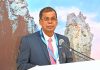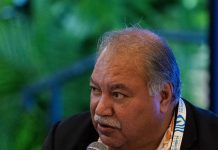
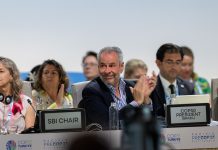
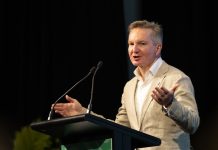
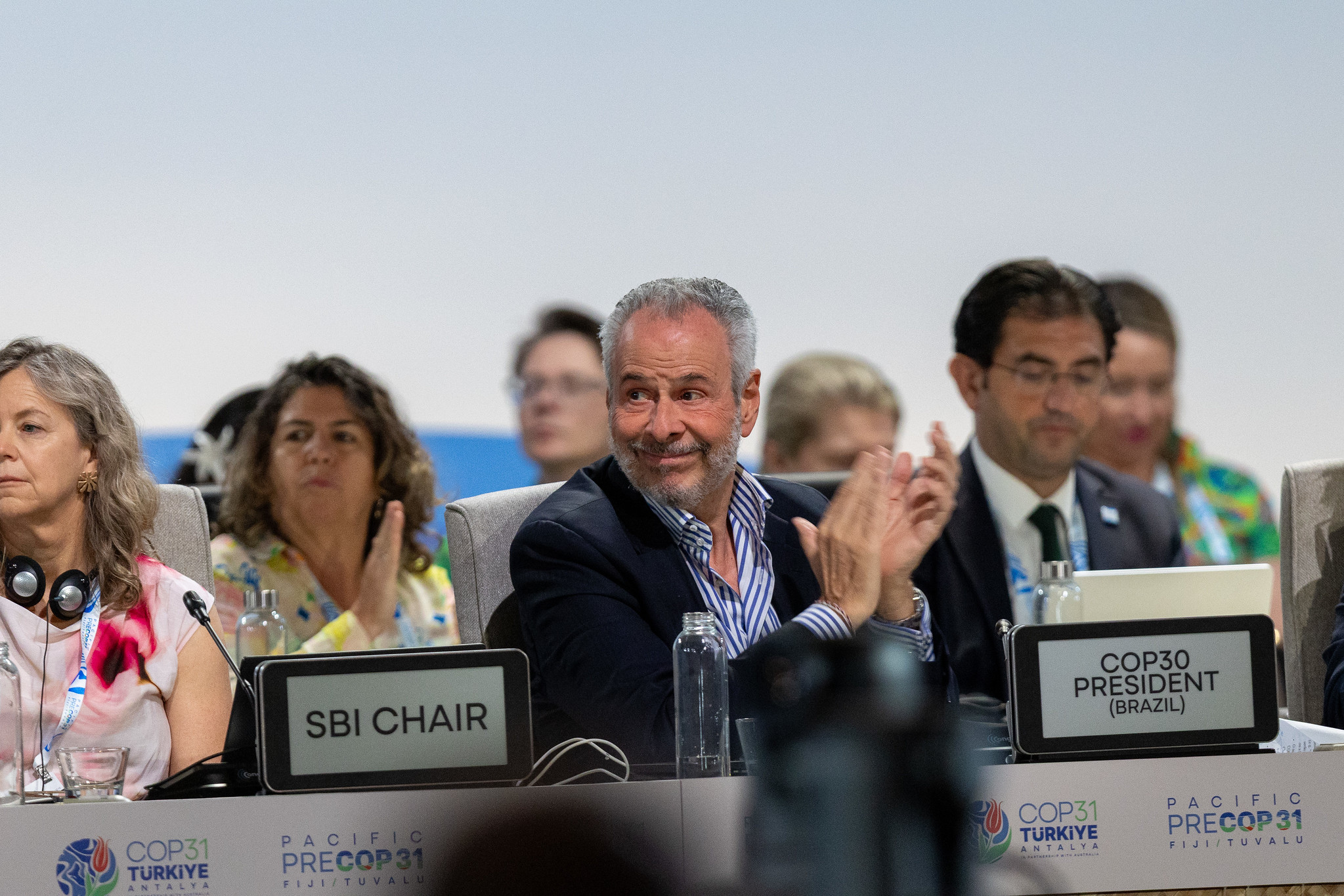
COP30 President Ambassador André Corrêa do Lago says stronger cooperation between governments, finance ministers and development banks will be critical to turning global climate commitments into action ahead of COP31 in Türkiye.
Speaking at the close of the Pacific Pre-COP31 in Fiji, Corrêa do Lago said the climate process needed to move beyond agreements towards implementing national climate plans, accelerating proven solutions and improving the flow of finance to countries facing climate impacts.
He said the climate implementation accelerator, developed through coordination between Türkiye, Australia and Brazil, would focus on a limited number of solutions capable of delivering wider global benefits.
“The mandate is to accelerate climate implementation and to enhance international cooperation to support the NDCs, the NAPs, and obviously keeping 1.5 degrees within reach,” Corrêa do Lago said.
Nationally Determined Contributions (NDCs) are countries’ emissions-reduction commitments under the Paris Agreement, while National Adaptation Plans (NAPs) set out approaches to addressing climate impacts.
Corrêa do Lago said the accelerator would help climate solutions overcome barriers that had slowed implementation.
“The idea of the accelerator is to help the climate solutions move faster because many here have pointed how difficult it is, so many obstacles,” he said.
The initiative would draw on more than 130 plans for accelerating solutions under the COP Action Agenda, selecting those with the greatest potential to trigger wider changes.
“We are going to concentrate on a small number of selected solutions that will have this effect of exponential and cascading global effects,” he said.
Corrêa do Lago stressed that participation in the accelerator would be voluntary and non-prescriptive, with its coordination arrangements and governance structures to be established before COP31 in Antalya.
He said the organisers were working with Türkiye and Australia to identify experts and establish a steering committee, with the involvement of finance ministers, multilateral development banks and climate funds.
Corrêa do Lago also highlighted the role of finance ministers in implementing decisions reached at climate conferences.
He said finance ministers did not negotiate climate agreements but were essential to putting those decisions into practice through national budgets, financial institutions and investment.
“Ministers of finance, they are not negotiators, they do not negotiate climate, but they implement what we decide in our COPs,” he said.
He welcomed efforts to strengthen links between the climate process and multilateral development banks, including the World Bank and the International Monetary Fund (IMF).
Corrêa do Lago said a document on implementing the Baku-to-Belém climate finance roadmap would examine potential sources of funding and the need to monitor climate finance more effectively.
The roadmap was among the initiatives advanced during COP30 in Belém, Brazil, to address the scale of investment required for climate action.
He also welcomed the Pacific Resilience Facility (PRF), a Pacific-led financing mechanism intended to support climate and disaster resilience across the region.
“I would like also to congratulate on the Pacific Resilience Facility,” he said, describing it as an example of innovative climate finance,” he said.
The facility is designed to mobilise accessible and predictable funding for Pacific communities facing climate-related disasters and other impacts.
Corrêa do Lago said the Pacific Pre-COP had demonstrated the importance of regional cooperation and the contribution of Pacific countries to the global climate agenda.
He compared the cooperative spirit of the meeting with the mutirão approach associated with COP30 in Belém, referring to collective action towards a shared objective.
The COP30 president said the implementation accelerator, together with Türkiye’s proposed approach to bridging different parts of the climate process, could help deliver stronger results at COP31.
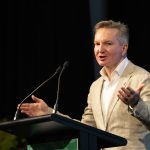
Australian Climate Change and Energy Minister Chris Bowen welcomed the cooperation between successive COP presidencies, saying closer coordination had helped strengthen the international climate process.
“When I first started coming to COPs, it’s fair to say presidencies were quite separate. But in recent years, presidencies have been working much more closely together,” Bowen said.
He thanked Corrêa do Lago for working with Türkiye, Australia and Azerbaijan to support a more coordinated approach ahead of COP31.
Bowen said the Pacific Pre-COP had concluded with work continuing towards the next round of climate negotiations in Türkiye.
The discussions in Fiji focused on keeping the 1.5°C temperature goal within reach, improving access to climate finance and elevating the ocean-climate connection, with Pacific countries seeking stronger implementation of global climate commitments.