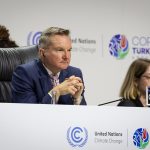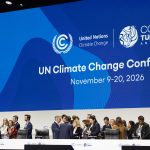

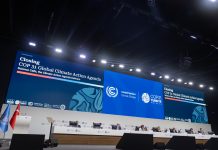

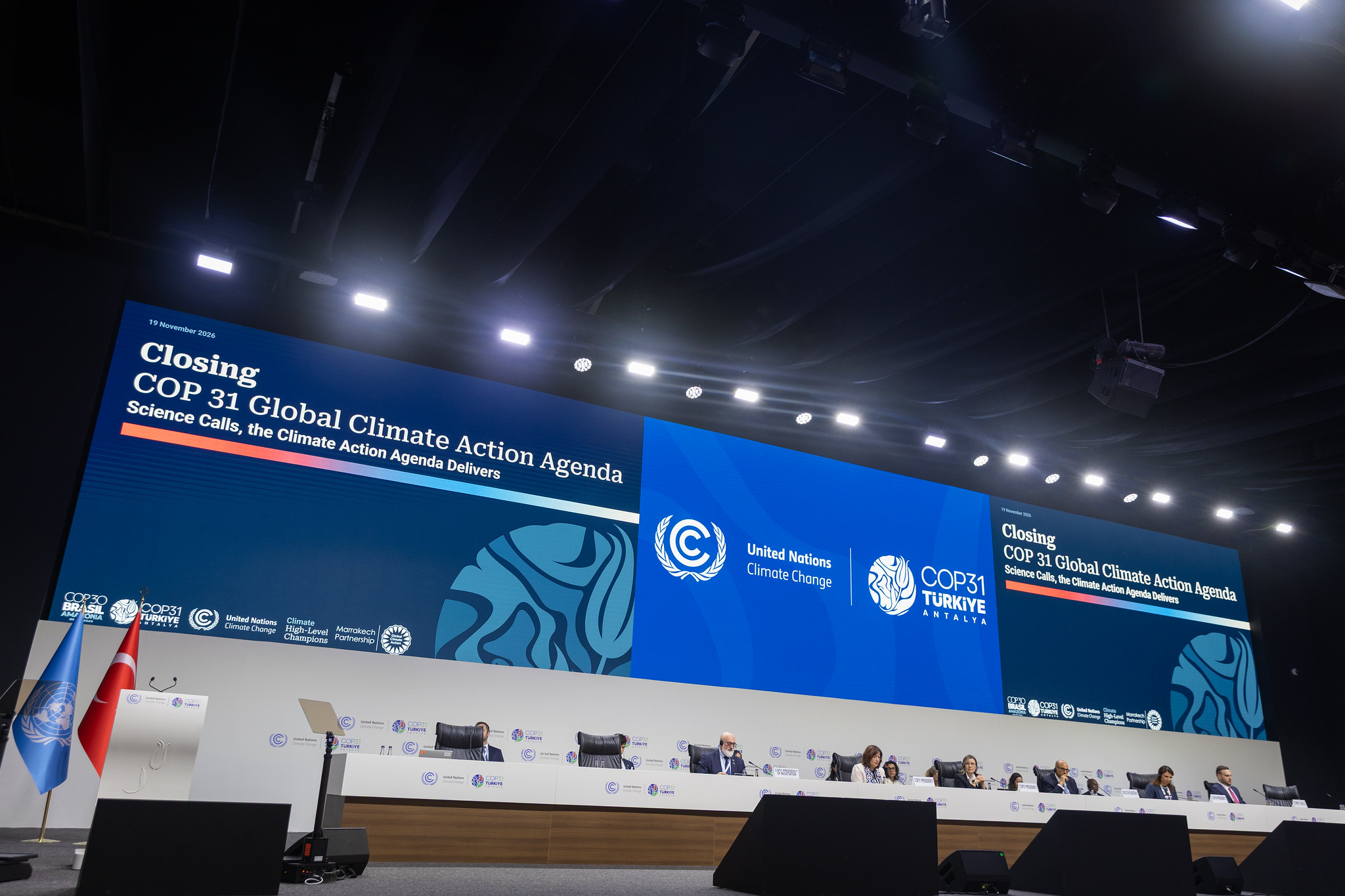
The Global Climate and Health Alliance (GCHA) has condemned the outcome of COP31, accusing world leaders of failing to protect people’s health by not agreeing on a clear plan to transition away from fossil fuels or provide adequate climate finance.
The alliance’s Executive Director Dr Jeni Miller said the failure to secure commitments on fossil fuel transition and funding for climate adaptation would leave vulnerable countries and communities exposed to worsening climate impacts.
“The COP31 process has betrayed people’s health by failing to deliver a clear plan for transitioning away from fossil fuels or providing the finance countries need to protect lives and prepare their health systems for escalating climate shocks,” Miller said in a statement following the summit’s conclusion in Türkiye.
She criticised the COP31 Presidencies of Australia and Türkiye, saying the outcome had failed to provide the protection needed for people’s health and lives.
Miller also pointed to the rejection of the proposed Antalya Pact, warning that climate change was compounding the impacts of a major El Niño event, with droughts, floods and wildfires affecting communities in different parts of the world.
She cited severe droughts in Fiji and Bolivia, extreme flooding in the western United States and wildfires in Southeast Asia, with millions more people facing increased risks of hunger and famine.
Miller said the failure to secure stronger action on fossil fuels had left the main driver of climate change inadequately addressed.
“By failing to take the robust action required to foster the equitable end of the fossil fuel era, COP31 shockingly omitted the primary driver of climate change, leaving people exposed to levels of climate impacts that no health systems can protect them from,” she said.
She said developing countries needed financial support from developed nations to strengthen their ability to adapt to climate impacts and protect communities and health systems.
Without adequate funding, Miller warned that countries least responsible for climate change would continue to bear the greatest costs through preventable suffering and deaths.
“This unacceptable end to a global climate summit is a betrayal of the health and wellbeing of everyone on earth, both those living now and those to come,” she said.
Miller stressed that international cooperation and the United Nations Framework Convention on Climate Change (UNFCCC) process remained critical to addressing the growing health risks posed by climate change.
However, she said countries obstructing progress through failure to meet climate finance obligations or continued support for fossil fuel production and use should not be allowed to undermine global action.
“Countries that block progress, by failing to meet their obligations on finance, or by pushing delay to keep exploiting and profiting from fossil fuel use and production at the world’s expense, cannot be allowed to derail the action that is needed,” Miller said.
“COP must do better.”
The Global Climate and Health Alliance brings together more than 300 health professional and civil society organisations and networks worldwide working to address the health impacts of climate change.