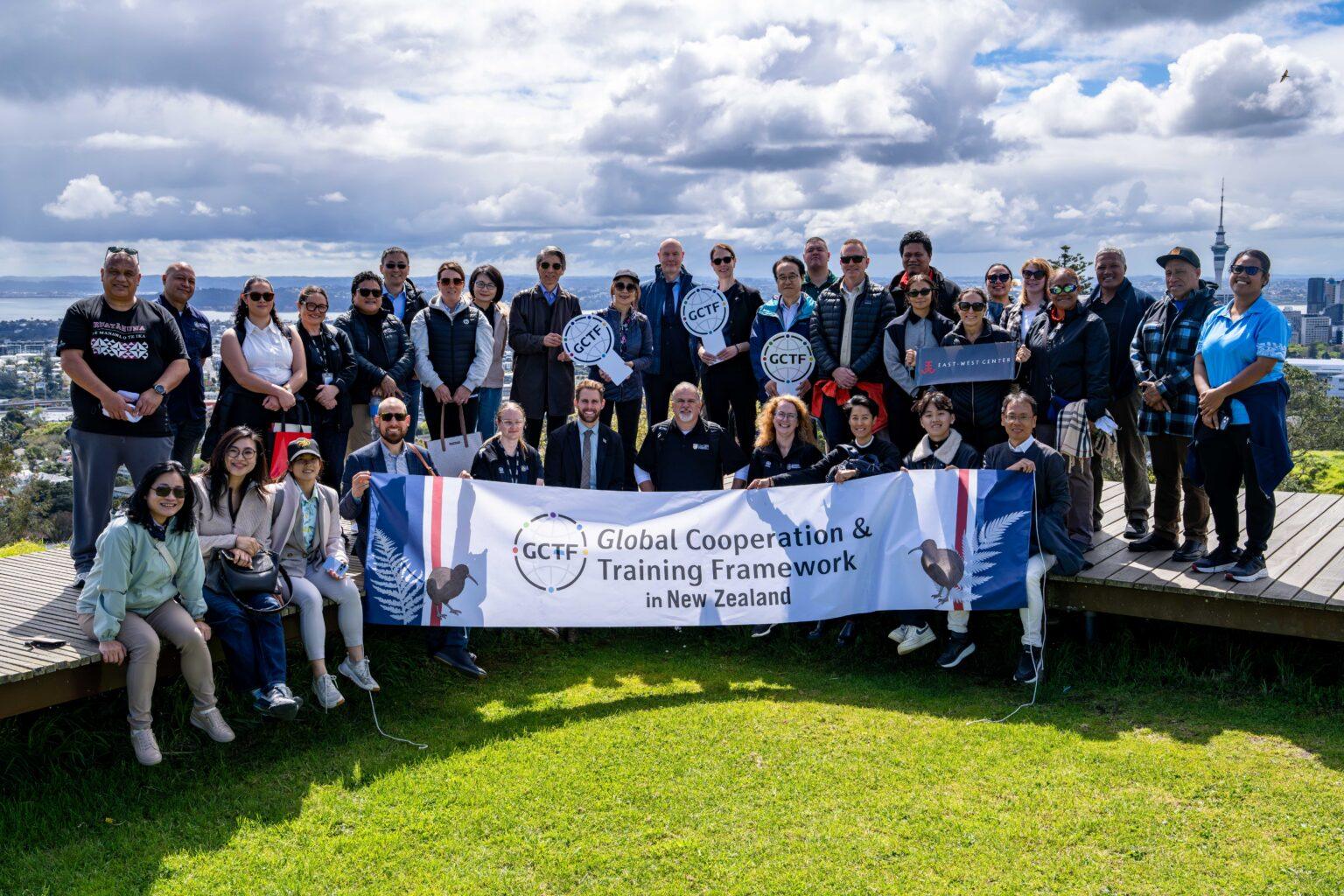
The United States and Taiwan have brought Pacific disaster management experts together in Auckland to strengthen regional preparedness, coordination and response to natural disasters.
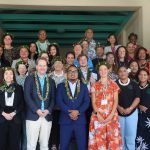
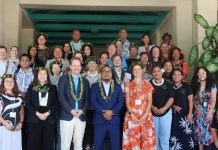
The two governments, in collaboration with the East-West Centre, hosted the Disaster Management in the Pacific workshop on 29-30 September under the Global Cooperation and Training Framework (GCTF).
The workshop brought together government officials, policy experts and private sector representatives from Pacific Islands Forum members, associate members and observers to share disaster management strategies and identify opportunities for regional cooperation.
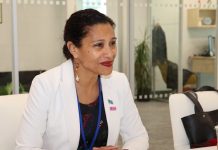
U.S Chargé d’affaires Gabrielle Cowan said disaster resilience in the Pacific had been built through generations of communities recovering from disasters and developing strategies to reduce future risks.
“The Pacific is one of the world’s most disaster-prone regions. Disaster resilience is hard earned and built from generations rebuilding after crises and intentional efforts to develop mitigation strategies that save lives,” Cowan said.
University of Auckland Professor Liam Wotherspoon delivered the keynote address, outlining New Zealand’s hazard landscape, while Pacific participants shared national disaster management frameworks, local approaches and challenges.
Cowan said Taiwan’s experience in early warning systems and whole-of-society preparedness offered practical lessons for Pacific countries.
“Participants heard from Taiwan, whose renowned early warning systems and whole-of-society disaster preparedness make it one of the most resilient places in the world,” she said.
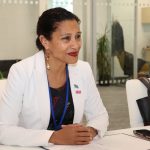
Taipei Economic and Cultural Office in New Zealand Representative Joanne Ou said Taiwan’s own exposure to earthquakes, typhoons and floods had driven its focus on disaster preparedness.
“Natural disasters are not abstract challenges. Taiwan has learned through hard lessons how preparedness can reduce the impact and define the speed of recovery,” Ou said.
She said Taiwan was committed to sharing its experience and resources with partners across the Indo-Pacific, particularly Pacific Island countries.
“This is the value of the GCTF – bringing partners around the globe to learn from each other and explore feasible ways of collaboration,” Ou said.
She said challenges including disaster mitigation and reconstruction, sea-level rise and volcanic eruptions required inclusive platforms where governments and other stakeholders could share experience and develop practical solutions.
Cowan also highlighted the United States’ own exposure to disasters across its Pacific states and territories.
“The United States is also a Pacific country. U.S citizens live in the Pacific, and our Pacific states confront disasters every year,” she said.
She cited California’s exposure to wildfires and Hawaii’s vulnerability to flooding, hurricanes and volcanic activity as examples of the disaster risks faced by U.S communities.
The workshop concluded with participants taking home practical resources, strengthened regional partnerships and tools to support disaster preparedness and resilience across the Pacific.
The GCTF provides a platform for Taiwan, the United States and other partners to share expertise and develop cooperation on issues of common concern.