The first week of COP31 in Antalya Turkey has ended.
It’s been an eventful six days of climate diplomacy in the different spaces of COP, the pavilions, negotiation rooms and the plenary.
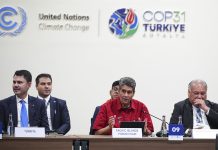
For the past few days, Heads of States and Leaders have dominated the headlines, basking in the glow of climate change’s biggest global platform, making promises and commitments aimed at addressing the climate crisis.
In the halls and negotiation rooms, officials and negotiators, have been hard at work. With the Subsidiary Bodies ending Saturday, officials worked to complete as much technical work as possible, or agree on what to forward to the Governing Bodies for further consideration, when the conference resumes Monday.
Charlene Hoff from the Cook Islands has been in the thick of things. The Senior Foreign Service Officer for Cook Islands Ministry of Foreign Affairs and Immigration, is the AOSIS and PSIDs Mitigation Coordinator.
“As the AOSIS Mitigation Coordinator, my responsibility is to coordinate the positions of our members, ensure our priorities are clearly communicated and represent our collective interests during negotiations, guided by the agreed positions of our 39 member states,” she tells us.
“This involves listening carefully to the positions of other Parties, identifying opportunities for common ground and consulting with our members on how best to respond to proposals.”
The Alliance of Small Island States (AOSIS) pre-COP31 coordination meeting two weeks ago kicked off their schedule in Antalya and they have been on the go since.
Typically, at COPs, there is only one rest day. Sunday is that day and Ms Hoff, like everyone, deserved a much-needed break.
Attending her 4th COP, today we sit down with Ms Hoff for a chat, as part of a series where we hope to give our Pacific communities a better understanding of the work and the challenges our Pacific negotiators go through during COP meetings.
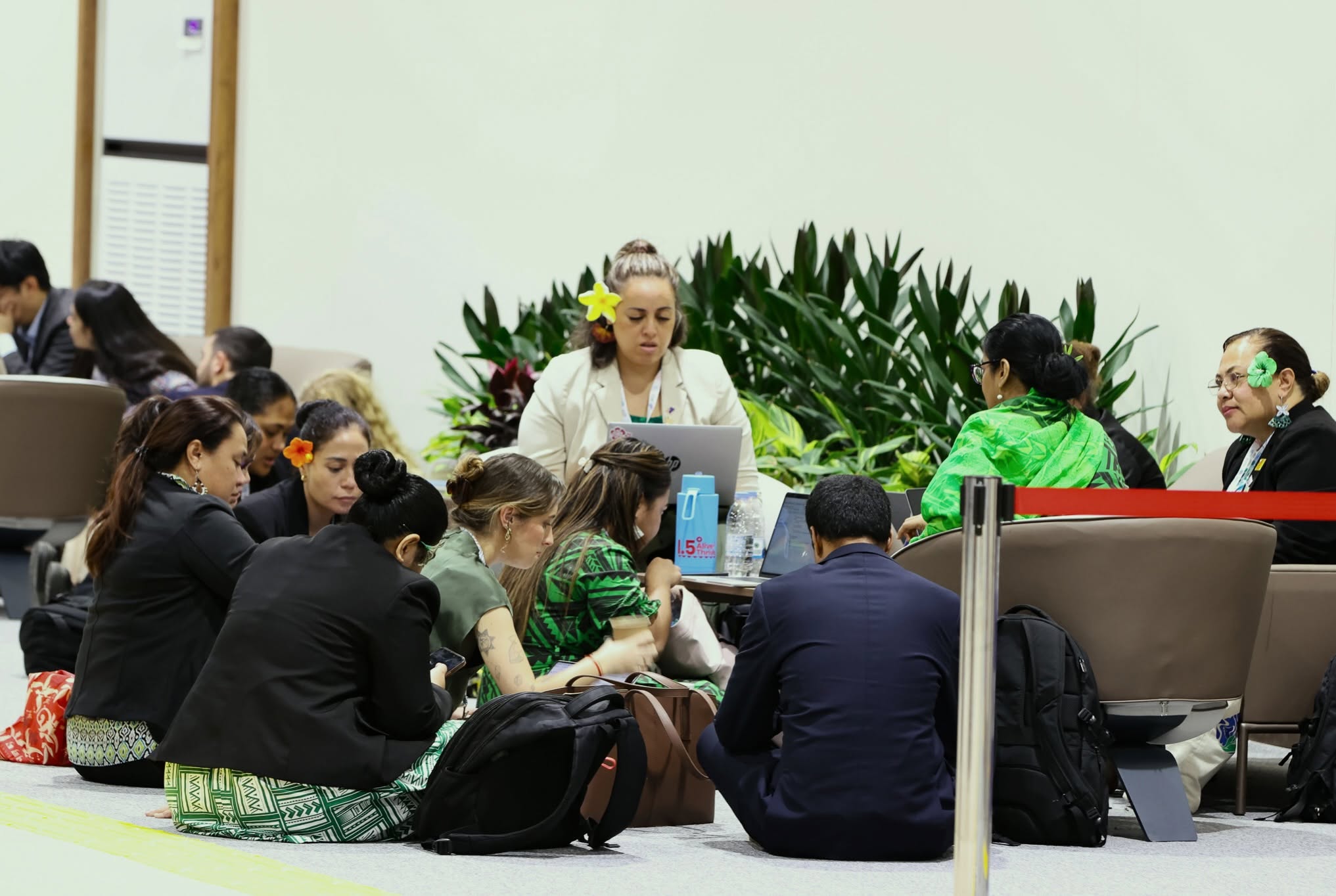
While people often see the smiling photos, and they think the destinations these negotiators travel to are fancy and exotic (and some of them are), what they do not see is the long hours, tears, pain and the tough realities on the ground.
“What may surprise people is the amount of time that can be spent negotiating a single paragraph, sentence or even one word,” she says.
So how do Pacific climate change negotiators like Hoff rise to the challenge every day? What might a typical day during a COP look like?
Seeing how they work might give you more appreciation for all that they do to fight for the survival of Pacific communities at the forefront of the climate crisis.
This is what a day inHoff’s life at COP is like, in her own words:
5am – 7am:
My day usually begins around 6am, checking emails and messages that have come through overnight before getting ready for another day at the conference. With colleagues working across different time zones, there’s usually something waiting in the inbox.
If time permits, I’ll grab some breakfast and a much-needed coffee before catching the shuttle around 7am or shortly after, hopefully arriving with enough time to settle in before our first coordination meeting with AOSIS at 8am.
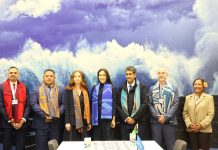
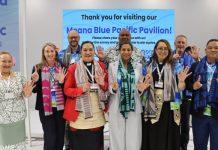
Charlene Hoff with colleagues.
8am – 10am:
We begin with AOSIS coordination at 8am, bringing together negotiators from across the different thematic areas to share updates, identify priorities and discuss developments from the previous day.
At 9am, we move into the wider G77 and China coordination meeting. Given the differing views on mitigation within the group, there isn’t necessarily coordination on our particular negotiating issue, but it’s still important to attend and remain informed of developments that may have implications for our work.
On other mornings, our AOSIS mitigation team will use this time to meet separately, review our negotiating positions, discuss strategy and agree on how we intend to approach the day’s discussions. Much of the work happens before we even enter the negotiating rooms.
11am – 2pm
By late morning, we’re usually keeping a close eye on the CCTV screens for the release of the day’s negotiating schedule. Some days it’s available nice and early, while on others we’re still waiting to find out when and where we’re expected to be. Depending on how the day unfolds, we could be preparing interventions, reviewing negotiating text, holding bilateral discussions with other negotiating groups or taking the opportunity to grab something to eat and perhaps another coffee.
Other days, we’re already in the negotiating rooms. There isn’t really a fixed routine beyond our morning coordination meetings. Much of the day requires flexibility, especially when meeting times change or additional consultations are called at short notice.
As the AOSIS Mitigation Coordinator, my responsibility is to coordinate the positions of our members.
2pm – 5pm
The afternoon is generally a continuation of the morning with formal negotiations, informal consultations and discussions with other negotiating groups.
As the AOSIS Mitigation Coordinator, my responsibility is to coordinate the positions of our members, ensure our priorities are clearly communicated and represent our collective interests during negotiations, guided by the agreed positions of our 39 member states.
This involves listening carefully to the positions of other Parties, identifying opportunities for common ground and consulting with our members on how best to respond to proposals.
What may surprise people is the amount of time that can be spent negotiating a single paragraph, sentence or even one word. It may seem excessive but the wording of these decisions matters. Patience is certainly a useful skill in this line of work.
6pm – 9pm
By early evening, we’re either continuing negotiations or regrouping with our AOSIS mitigation team to review the day’s developments.
These discussions are important for understanding where progress has been made, where differences remain and what adjustments may be needed to our negotiating strategy.
There may be further interventions to prepare, revised negotiating text to consider or additional discussions with other groups to explore possible areas of agreement.
If we’re fortunate, we manage to conclude our coordination discussions and leave the conference venue at a reasonable hour. Of course, that isn’t always guaranteed, particularly as negotiations intensify towards the end of COP.
10pm – 1am
Once back at the hotel, it’s usually time for dinner, reviewing interventions and catching up on any outstanding matters in preparation for the following day. If time allows, there’s also the occasional opportunity to unwind over dinner and a drink with colleagues, which is always welcome after a long day.
One thing that doesn’t necessarily stop while we’re attending COP is our regular work back home. My primary responsibilities as a Senior Foreign Service Officer with the MFAI continue, which means there are still emails to respond to, matters requiring attention and other work that needs to be progressed.
So while the negotiating day may have ended, there’s often another round of work waiting when I return to the hotel.
I also make time for a quick call home to catch up with family before getting some much-needed rest. Sleep is particularly important when you know you’ll be getting up at 6am to do it all again.
2am – 5am
I’ve been fortunate that I haven’t had to negotiate through these early hours, so I’m usually asleep by this time. Touch wood, as we’re still in the early days of COP31!
I do, however, have a great deal of respect for colleagues who aren’t as fortunate and find themselves working through the night, particularly on negotiating issues where discussions can continue into the early hours of the morning.
Many will have only a few hours of rest before returning to coordination meetings the following morning. It’s a reminder that while we may all be attending the same conference, the demands and experiences across the different negotiating areas can vary considerably.
The 31st Conference of the Parties (COP31) to the UN Framework Convention on Climate Change (UNFCCC) is taking place from 9-20 November 2026 in Antalya, Türkiye.