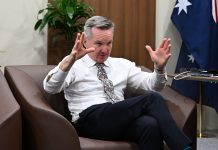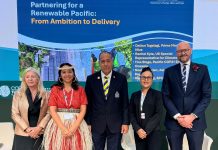

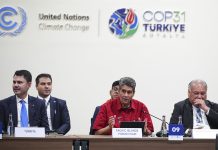


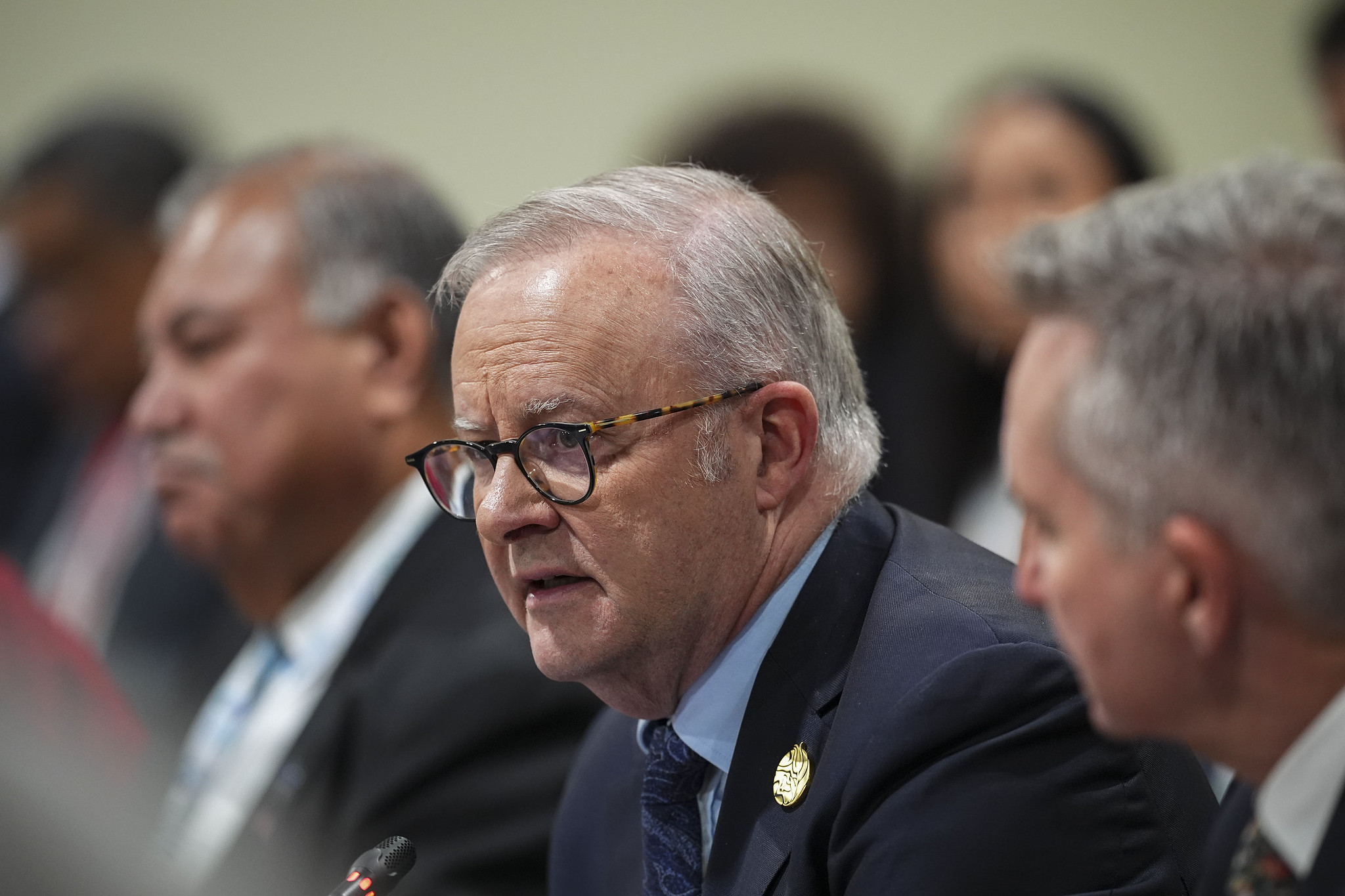
Australian Prime Minister Anthony Albanese has defended the cost of hosting and participating in COP31, saying climate action is a matter of Australia’s national interest, regional security and its relationship with Pacific Island countries.
Responding to criticism over the cost of the conference, including Australia’s delegation and facilities at the event, Albanese said Australia’s engagement was justified by the need to address climate change and strengthen cooperation with its Pacific neighbours.
“The issue of climate change is an issue of protecting our environment, and when I say our environment, I mean the global environment. It’s also about Australia’s national interest,” Albanese told a press conference alongside Palau President and Pacific Islands Forum Chair Surangel Whipps Jr in Antalya.
He said Australia had a national security interest in participating in climate negotiations and working with Pacific countries on shared priorities.
Albanese said Australia’s relationship with Pacific Island countries had strengthened through agreements covering economic support, development assistance, climate action and national security.
“You wouldn’t have seen previously a few years ago, you wouldn’t have always seen Pacific leaders standing with Australia with one voice, speaking about the Pacific family, working together in such a cooperative way,” he said.
The Australian Prime Minister also faced questions about criticism that he did not explicitly mention fossil fuels in his address to the COP31 leaders’ opening session.
Albanese defended his speech, saying it focused on the impacts of climate change, particularly on Pacific Island countries and rising sea levels threatening Tuvalu.
“You can pick out any number of things that weren’t in what was a short speech,” he said.
“I gave a speech which was appropriate, which was concentrating on the impact, particularly on the Pacific, talking about the impact of rising sea levels on Tuvalu, and my speech was well received by my Pacific friends here.”
President Whipps backed Australia’s involvement, saying the country had an important role in raising global climate ambition and amplifying the Pacific’s calls for stronger action.
He said Pacific Island countries needed international support and Australia’s voice was critical in advancing their concerns.
“We need all the support that we can get. We need all the voices that we can get, and Australia’s voice as a big ocean state and a big continent is so critical in getting that message across the line,” Whipps said.
He said small island countries could struggle to have their concerns heard internationally, making cooperation with Australia particularly important.
Whipps also defended the investment in climate action, saying the priority was securing a future for the next generation.
“We all are in this because of our children, we love our children, and we want a future for them that gives them hope,” he said.
He acknowledged that climate action came at a cost but argued that the investment would benefit future generations.
“Sometimes it may cost us a little, but I believe every dollar spent is making a difference for the future of our children,” Whipps said.
He said the Pacific and Australia were stronger when they worked together, adding that regional cooperation was essential to making a difference for future generations.