By Sera Tikotikovatu- Sefeti in Savusavu
“We all are in this canoe trying to do what our ancestors did centuries back, settling into new islands from wherever they came from, and for us the challenge is to live under conditions that is new to all of us.”
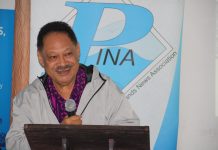
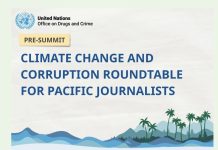
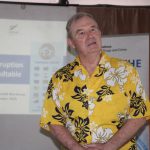
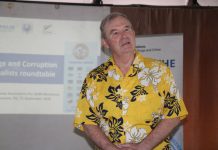
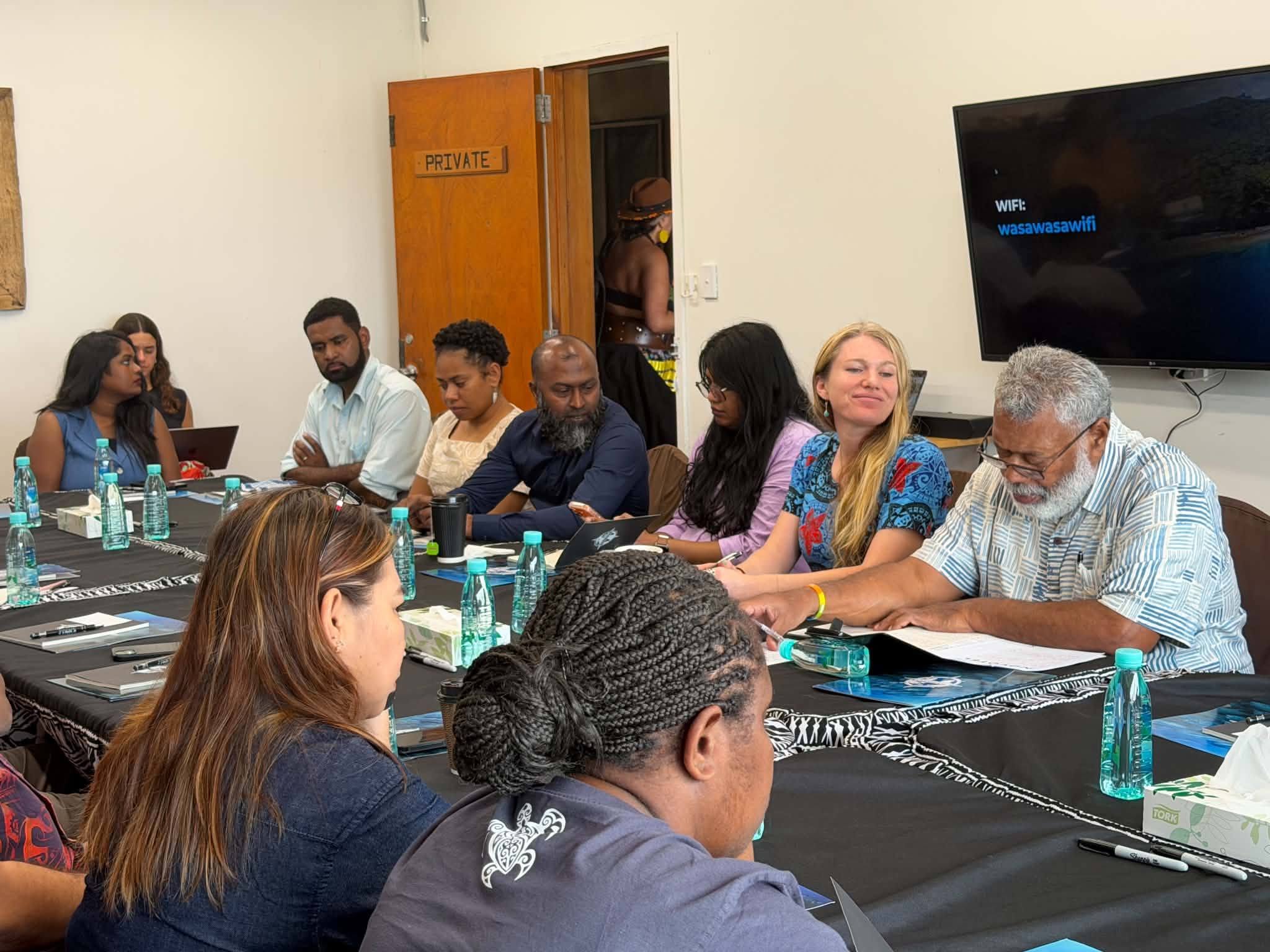
The words of Fijian climate change activist Dr Joeli Veitayaki in windy Savusavu, Fiji, ahead of the Pacific Islands News Association (PINA) summit at a pre-summit workshop hosted by the Waitt Institute.
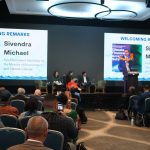
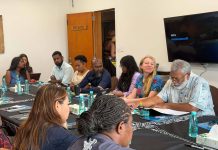
The Institute brought together journalists from Fiji, Solomon Islands, Vanuatu, Wallis and Futuna, along with Fiji’s Ministry of Information team and technical experts from Waitt and Blue Prosperity Fiji.
The workshop centred on the ocean and the importance of telling ocean stories to Pacific people.
Participants brought together professionals working across ocean conservation, communications and science to discuss the role of storytelling in ocean management and climate adaptation.
A central theme was translating complex climate and ocean science into information that people of different generations and communities can understand.
Dr Veitayaki, who works in the ocean space, reminded journalists that their work reaches far beyond the newsroom.
“I still acknowledge the fact that you are teachers just like myself. Because of your stories and your work, you reach out to a much larger classroom than a teacher like me,” he said.
For him, the responsibility goes beyond reporting the challenges facing Pacific communities.
“It’s important of informing our people not only of the challenges but how we can live with the challenges. That is the most important thing for me.”
He urged journalists to look for the small actions already taking place across the region and share them with others.
“How do we mobilise these little actions taking places in different parts of the region to share with others, so that they may not have to start from ground zero,” he said.
For Taholo Kami, an adviser to the Waitt Institute and Waitt Foundation and former Fiji Special Envoy for Oceans, journalism also has a role in keeping leaders accountable.
“I think the media has a big role to play in holding our leaders accountable in terms of what do we need to achieve for the sake of our people, and then what do we need to achieve in terms of the planet that we live in,” he said.
Journalists from across the region listened to the discussions and raised questions about accessing information, understanding technical data and finding experts who could help explain increasingly complex ocean issues.
For journalists working in smaller Pacific media organisations, access to data can be a challenge.
A journalist from France Télévisions in Wallis & Futuna, Mirna Kilama, raised the difficulty of working with large datasets, maps and technical information.
“If I have a 1000 word document with very dense technical jargons, I will not be able to meet the deadlines, and it will be hard for me to go through that document,” Kilama said, highlighting the challenge of turning technical material into something audiences can understand.
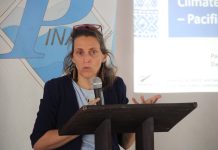
Shayna Brody, Director of Communications at the Waitt Institute, reassures journalists in the room that the organisation could help journalists navigate that complexity.
The Waitt Institute works across areas including blue economy, sustainable fisheries, marine spatial planning and science, while its communications team can help connect journalists with technical experts and information.
“We can really be the point of contact to help you get to the right person,” Brody said.
She also pointed to the Institute’s wider network, including organisations working in fisheries and ocean mapping.
One tool, she explains that brings together information from expeditions, community discussions and traditional knowledge to help inform marine spatial planning.
Brody encouraged journalists to reach out when they are pursuing stories and need access to experts or information.
“If you have a story you’re chasing, let us know what you need and let us know the deadline you’re working on,” she said.
She also offered to work with journalists on follow-up briefings to help make technical information easier to digest.
For Dr Veitayaki, the exchange between scientists, communities and journalists is important because Pacific communities are facing environmental conditions that are changing rapidly.
He pointed to local knowledge and community experience as important sources of information, alongside scientific data.
At the community level, he highlighted the example of mangroves planted decades ago that have grown into what communities describe as “living seawalls”, helping protect coastlines and rebuild eroded land.
He said, “these kinds of initiatives should be shared so communities across the Pacific can learn from one another.”
The workshop ultimately brought the different roles in the room together, journalists asking questions, scientists explaining the evidence and communications specialists helping connect the two.
For the Pacific journalists gathered in Savusavu, the discussions offered an opportunity to strengthen how ocean stories are reported, while creating connections with experts and organisations working across the region.
And as Dr Veitayaki reminded the room, the stories being told have a much larger audience than the newsroom itself. The challenge is making sure those stories reach the communities whose lives are connected to the ocean.