By Pita Ligaiula in Savusavu
The growing flow of climate and disaster finance into the Pacific must be matched by stronger accountability as complex funding systems and pressure for rapid responses create opportunities for corruption, the United Nations Office on Drugs and Crime (UNODC) has warned.
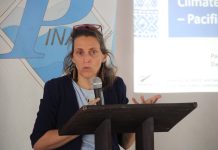
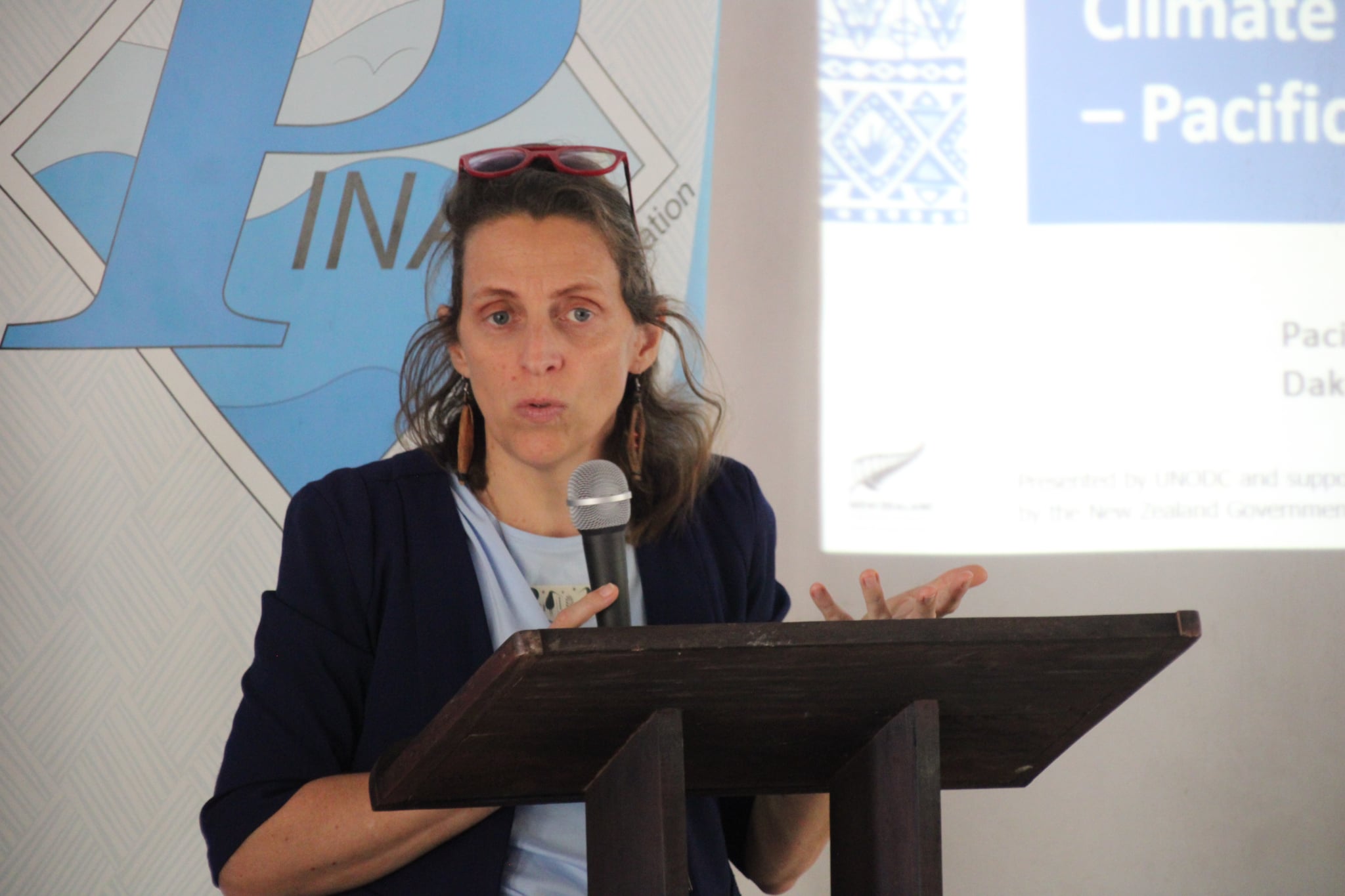
Speaking at a Pre-Pacific Media Summit workshop on Climate Change and Corruption for Pacific journalist in Savusavu, UNODC Pacific Regional Anti-Corruption Adviser and Head of Office Marie Pegie Cauchois said climate finance was essential for vulnerable communities but could be exposed to risks including conflicts of interest, nepotism, favouritism and lack of transparency.
“The Pacific is at the frontline of climate change. We have cyclones, droughts, sea-level rise, and this year with El Niño we have it even worse.
“This is bringing a lot of money. And money is good because it is required for the communities that really need to be responding with resilience to those issues,” Cauchois said.
Cauchois said the complexity of climate and disaster funds, combined with the need to respond quickly to emergencies, could increase corruption risks.
“Often the problem is that those climate funds or disaster funds are complex. And under the complexity or the need to be really rapid in response, there are so many corruption risks,” she said.
She said corruption could ultimately divert resources away from the communities that need them most and undermine years of development and resilience-building.
“At the end of the day, who is the most affected? It’s the communities.
“The communities are the most vulnerable that are really needing this money,” Cauchois said.
Cauchois said diverted funds could also undermine the resilience of Pacific communities and reduce the impact of development programmes.
“By having those monies diverted or going in the wrong pockets, then it really has an impact,” she said.
She said the United Nations Convention against Corruption provided a framework for Pacific countries to strengthen accountability, noting that Pacific countries are signatories to the convention.
Cauchois said the convention also provided space for journalists and civil society to demand greater accountability from governments.
She highlighted a resolution adopted last year at the Conference of the States Parties to the UN Convention against Corruption focusing on small island developing states.
Cauchois said the Pacific’s vulnerability to climate change was a key issue during negotiations on the resolution, helping secure recognition of the particular challenges facing small island states.
She said this recognition created further space for journalists and civil society to push for accountability around climate finance and other resources.
Cauchois urged Pacific journalists to use their role as watchdogs and investigators to scrutinise how climate and disaster funds are managed.
“You also have this role as investigative journalists, and in general, as watchdogs and investigators, and also the bridge between communities and decision makers,” she said.
She said journalists were critical in bringing the experiences of communities to decision makers, particularly people who were not normally heard in policy discussions.
“Through your work, their voices are heard, their problems are heard, and also sometimes the solution is there.
“It’s about amplifying the community voices and holding the solutions accountable by pushing for those voices to be heard,” she said
Cauchois said UNODC had been working with the Pacific Islands News Association (PINA) and the Pacific Anti-Corruption Journalists Network since 2019.
She said a strategic partnership signed earlier this year would strengthen collaboration and support independent journalism, with a small grants project also expected to be launched during the week.
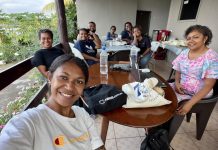
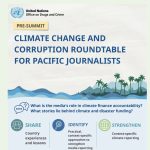
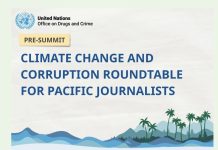
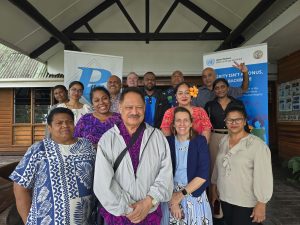
The workshop brings together Pacific journalists to examine the links between climate change, climate finance, corruption and integrity ahead of wider regional discussions on climate action.
Cauchois said the roundtable was timely as the region prepares for upcoming climate negotiations and continues to deal with increasing climate-related risks.
The workshop is part of activities ahead of the Pacific Media Summit and is focused on strengthening journalists’ understanding of corruption risks associated with climate finance and disaster response.