


Rewa chief Ro Naulu Mataitini has criticised Fiji Parliament’s passage of the Commercial Use of Marine Areas (CUMA) Bill 2025, saying the legislation fails to restore the proprietary ownership of qoliqoli areas promised to iTaukei customary owners.
Parliament passed the Bill this week, with the Government describing it as a landmark reform and an important step towards strengthening the governance, protection and sustainable utilisation of Fiji’s marine resources.
But Ro Naulu said the legislation does not deliver on the long-standing aspirations of the Great Council of Chiefs (Bose Levu Vakaturaga) and instead continues what he described as historical injustice.
He said the Bill does not restore what was taken from customary owners or fulfil the commitment made more than 140 years ago.
In 1881, Governor Sir William Des Vœux conveyed Queen Victoria’s wishes to the Bose Levu Vakaturaga, including that measures would be taken to secure each mataqali the reefs that properly belonged to it.
Ro Naulu said that commitment was never implemented despite several attempts over the years to address qoliqoli ownership.
He highlighted the 1975 Qoriniasi Bale Cabinet Sub-Committee, the 2006 Qoliqoli Bill and the Bose Levu Vakaturaga’s submission to the Constitutional Review Commission as evidence of repeated efforts to recognise customary ownership.
“Each generation has identified the problem. Each generation has proposed the same solution. Each generation has seen it denied.”
Ro Naulu said the key difference between the 2006 Qoliqoli Bill and the CUMA Bill was ownership.
The 2006 legislation sought to transfer proprietary rights from the State to qoliqoli owners, while CUMA focuses on regulation, sustainable use, commercial management and benefit-sharing.
He said the CUMA Bill leaves ownership with the State and only allows iTaukei customary owners to apply for ownership of limited commercial tourism areas.
“This is not ownership. This is conditional access dressed in the language of empowerment.”
Deputy Prime Minister Viliame Gavoka has acknowledged that ownership will not automatically transfer under the legislation.
“This is a process, not an automatic transfer. There is no automatic vesting,” he said.
Ro Naulu said this falls short of the position taken by the Bose Levu Vakaturaga, which called for proprietary ownership of all qoliqoli areas to be returned to customary owners, alongside recognition of customary laws and stronger iTaukei protections.
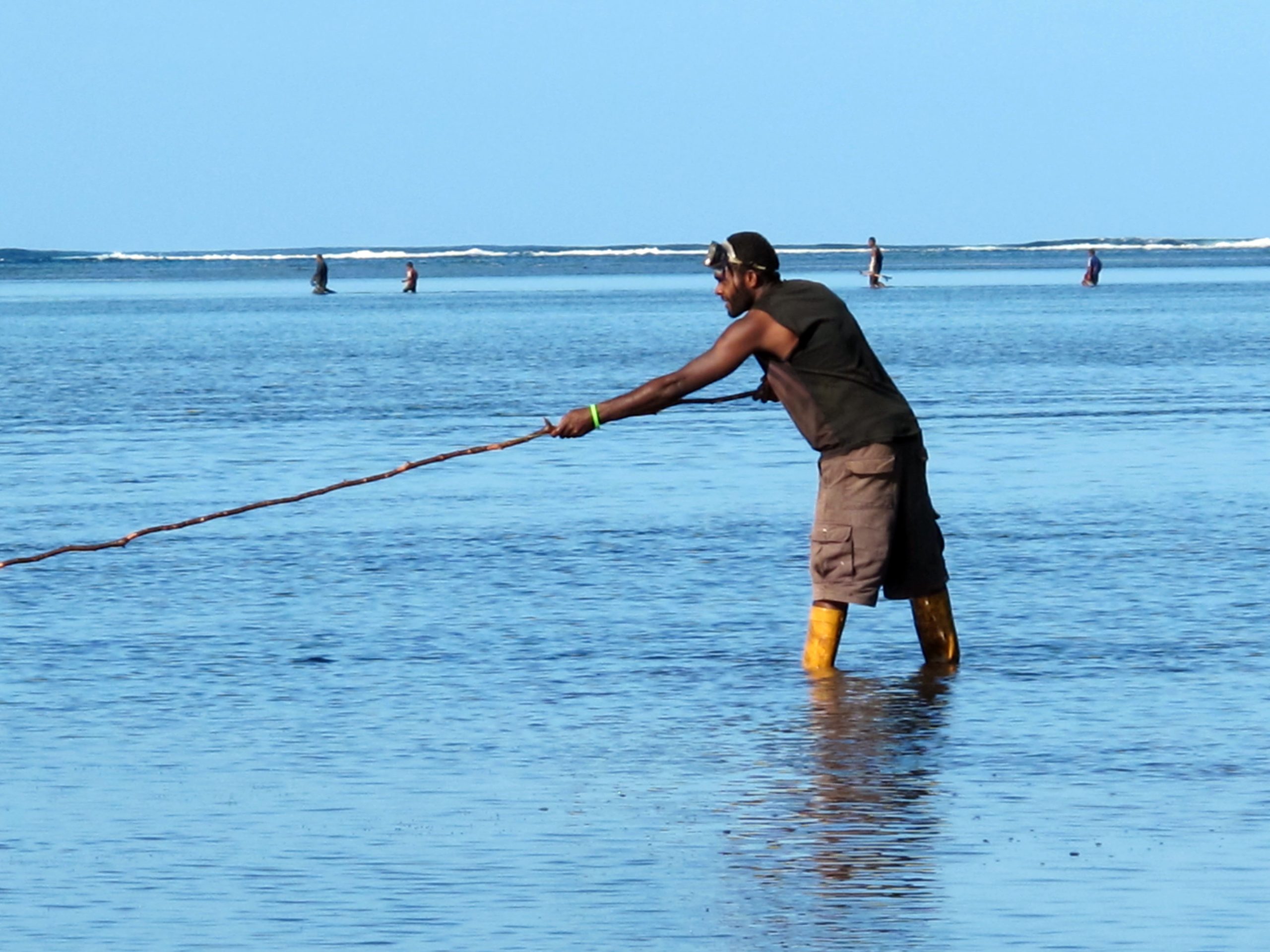
He said qoliqoli areas cannot be treated simply as commercial resources because they are closely connected to the Vanua, identity, culture, stewardship and inheritance.
Ro Naulu also rejected the argument that compensation and benefit-sharing under CUMA amount to recognition of ownership.
“Compensation for use is not recognition of ownership.”
Ro Naulu said the legislation also fails to address the concerns surrounding the 2010 Surfing Decree.
“CUMA does not repeal the 2010 Surfing Decree; it replaces it while preserving the moratorium on surfing areas, withholding proprietary ownership to the State, and denying customary holders the full rights promised in 1881,” he said.
Ro Naulu said the solution was to return proprietary ownership to customary owners while retaining regulatory authority and developing a joint-vesting commercial model.
“The only real solution is clear: Return proprietary ownership. Keep regulatory authority. Build a joint-vesting commercial model. Anything less is just another version of the Surfing Decree—with a nicer name.”
He said the Coalition Government was elected with support from iTaukei voters who expected the 2010 Surfing Decree to be repealed and qoliqoli ownership restored.
Instead, he said, CUMA continues the same injustice under a different framework.
“The question is not whether CUMA improves on the Surfing Decree. The question is whether Fiji will finally honour the promise made in 1881—or continue to deny the iTaukei what is rightfully theirs.”
“The ITaukei and the Bose Levu Vakaturaga watches,” Ro Naulu said.