Pacific civil society and regional leaders have called for stronger Pacific control over decisions affecting the ocean, rejecting deep-sea mining and warning against growing militarisation, economic exploitation and external pressures on the region.
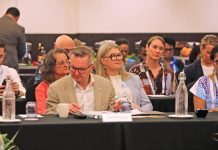
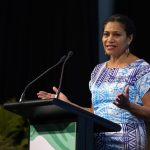
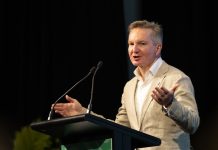
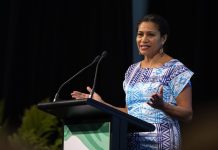
The call was made at the inaugural State of the Pacific Ocean Convening (SOTPOC) in Suva, where Pacific leaders, parliamentarians, academics, Indigenous knowledge holders, civil society, churches, youth and regional partners held four days of discussions on the environmental, economic and geopolitical challenges facing the Blue Pacific.
The convening, held in the spirit of World Oceans Day, focused on climate change, ocean health, biodiversity loss, deep-sea mining, militarisation, geopolitical competition, economic dependency and the shrinking policy space for Pacific countries.
Participants said the Pacific Ocean must not be treated simply as a resource or economic asset, but as central to Pacific identity, culture, spirituality, livelihoods and future.
“The Ocean has long been the home of Pacific peoples, and key to our survival and wellbeing. It is the foundation of our identity, our spirituality and worldview, as well as the source of our sustenance, cultures, economies, food systems, histories, relationships and futures.”
“It is the pathway that connects our islands and communities. The ocean defines us – We are the ocean; the ocean is within us.”
The outcome statement calls for Pacific peoples to be recognised as custodians of a living ocean, with Indigenous spiritualities, knowledge, customary stewardship and cultural relationships forming the basis of ocean-related decision-making.
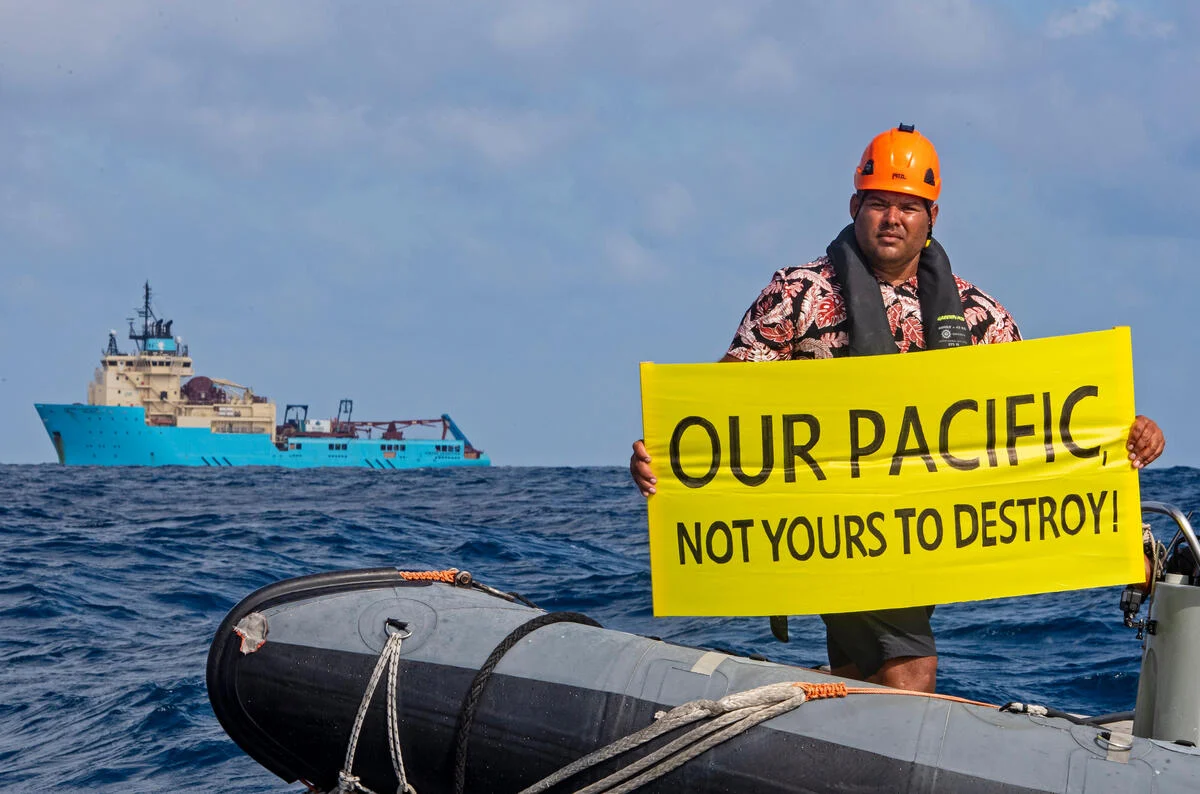
Participants also called on Pacific governments, cultural and political leaders, development partners, research institutions, faith-based organisations and civil society to reject what they described as false solutions, including deep-sea mining.
They said such activities threaten ocean health and sovereignty and risk perpetuating neocolonisation and recolonisation under the guise of security cooperation, climate action and economic development.
The convening also called for stronger regional solidarity and coordinated action on climate change, militarisation, biodiversity loss, economic exploitation and deep-sea mining.
Participants urged greater investment in Pacific-led research, advocacy, storytelling, arts, media, movements and grassroots mobilisation to ensure Pacific voices and solutions remain central to global discussions on the future of the ocean.
The outcome statement also recognised the importance of Indigenous science, practices and governance in ocean guardianship and called for stronger Pacific participation in regional and international policy spaces.
On security, participants called for a Pacific future based on peace and demilitarisation, including a genuinely nuclear-free region.
They rejected the doctrines of nuclear deterrence and strategic ambiguity and called for safeguards to address what they described as the growing military build-up in the Pacific.
The convening also stressed the need for inclusive ocean governance, calling for meaningful participation by women, SOGIESC communities, youth, persons with disabilities and other marginalised groups.
It said their knowledge, leadership and lived experiences are essential to protecting the ocean and advancing Pacific self-determination.
The meeting further agreed to expand the Pacific Parliamentarians Alliance on Deep Sea Mining into the Pacific Ocean Leaders Alliance (POLA), creating a broader platform for Pacific parliamentarians and leaders to engage on ocean issues.
Participants agreed that the State of the Pacific Ocean Convening should remain a Pacific civil society-led process and continue every two years.
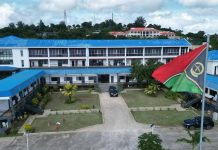
Vanuatu will host the next convening in 2028.