
The Pacific will use October’s Pre-COP31 meeting in Fiji to push for oceans to be elevated within the United Nations climate negotiations while pressing countries to strengthen action on climate finance and the 1.5°C global warming limit ahead of COP31.
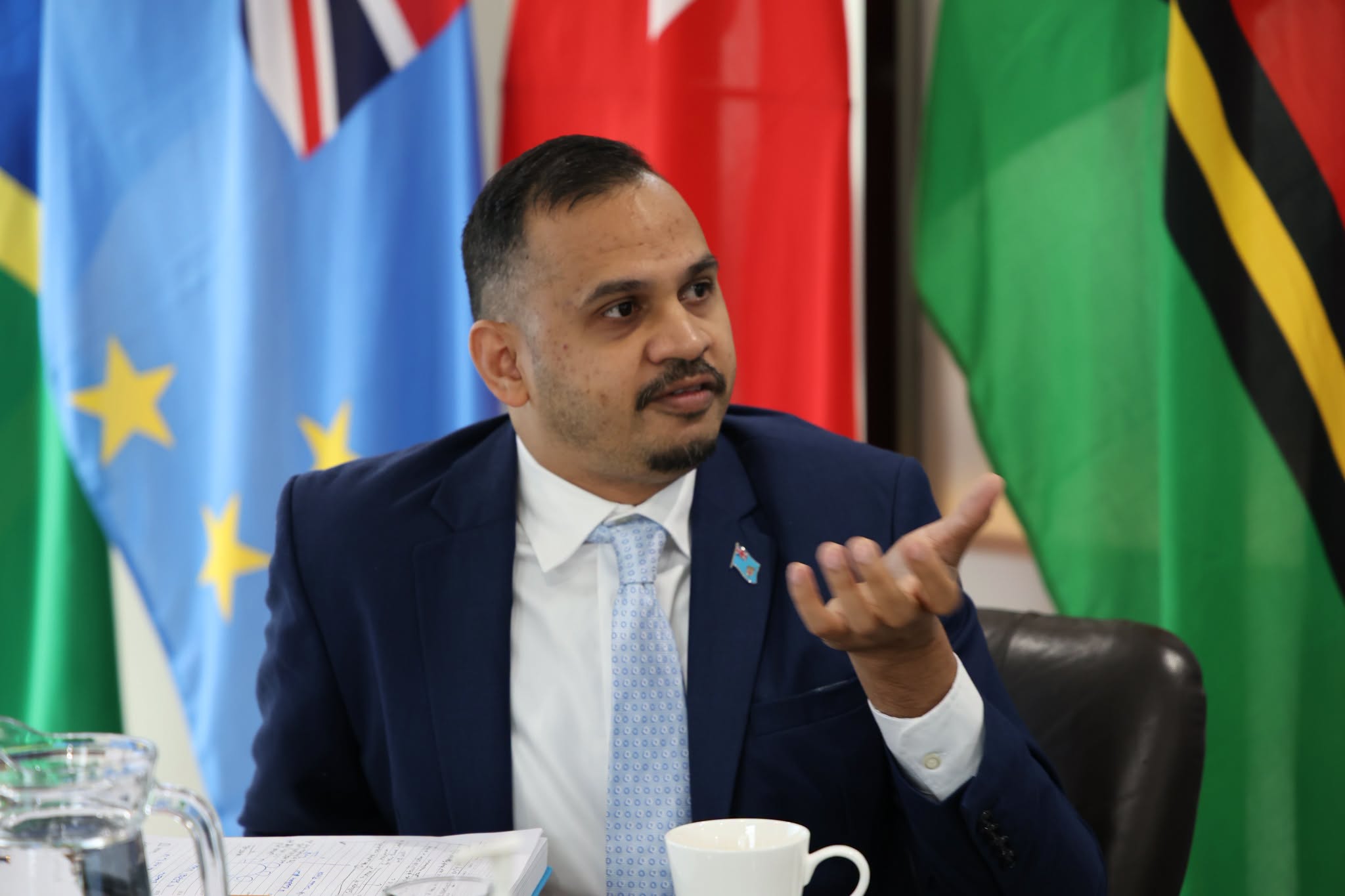
Fiji’s Permanent Secretary for Environment and Climate Change, Dr Sivendra Michael, said the region was preparing to present a united Pacific position at the meeting, which will be held in Nadi from 05 to 08 October alongside a special leaders’ segment in Tuvalu.
Dr Michael said the Pacific would take the International Court of Justice’s landmark Advisory Opinion into the negotiations as the legal foundation for its position at pre-COP31 and COP31.
“The advisory opinion is the foundation the Pacific must stand on at COP31 as well as pre-COP,” he said during a webinar marking one year since the court’s landmark climate opinion.
“It should not sit alongside our negotiating priorities because it is the legal architecture underneath all of them, and so every position we take into pre-COP and COP31 should be traceable back to the ICJ advisory opinion.”
The Advisory Opinion, delivered in July 2025, was the culmination of a Pacific-led campaign and clarified countries’ legal obligations to address climate change under international law.
He said the Australia-Pacific partnership had identified key areas of focus, including the ocean-climate nexus, climate finance and protecting the 1.5°C target.
One of the region’s priorities is securing formal recognition of the ocean within the UN climate process. While climate finance and the 1.5°C temperature target are already formal negotiating items, Dr Michael said the Pacific wants ocean dialogue moved from the subsidiary bodies to the Conference of the Parties itself.
“What we are trying to do with the presidency team is knowing that for the dialogue to be elevated from the subsidiary body level into the COP level, we would need the presidency to think about possible options such as a cover decision or something of this nature,” he said.
“The Pre-COP will actually set the ground for having this discussion so that we can actually see and hear from membership on how we can progress this into the presidential initiative or as a pathway to get it fully recognised.”
Climate finance will also be a major focus, with Fiji hoping participating countries will better understand the barriers vulnerable communities face in accessing funding while building political support for stronger negotiations.
“It’s an opportunity for the 70-plus countries that would be invited to pre-COP to have an experience of how the distinct realities of how finance flows are already such a big problem, but also how the communities are not able to fully access this funding because of the intermediary functions, the lack of accredited entities and so forth,” Dr Michael said.
Dr Michael said Fiji also wanted countries that continue to question the 1.5°C target to better understand the realities facing Pacific communities.
“It is a Pacific COP,” he said. “We hope that frontline truths and narratives are able to change the perspective of many of those countries that have never set foot or do not even know the existence of the real problems and challenges that we are facing.”
“We are ensuring that those countries, the parties that consistently challenge the 1.5, have an opportunity to visit our shores and also to Tuvalu, to really understand what it means in the context of what we are negotiating,” he said.
Dr Michael said discussions with the COP31 presidency were also exploring ways to ensure Pacific priorities remained visible through dedicated regional initiatives alongside broader global programmes.
“There can be a global initiative, but then under the global initiative, there can be a parallel Pacific initiative as well,” he said.
He said the Pacific Islands Forum Leaders Meeting in Palau would help shape the region’s negotiating position ahead of pre-COP31.
“I believe that even the leaders meeting in Palau will be a pivotal point to try and shape some of the conversations that we would like to have,” Dr Michael said.