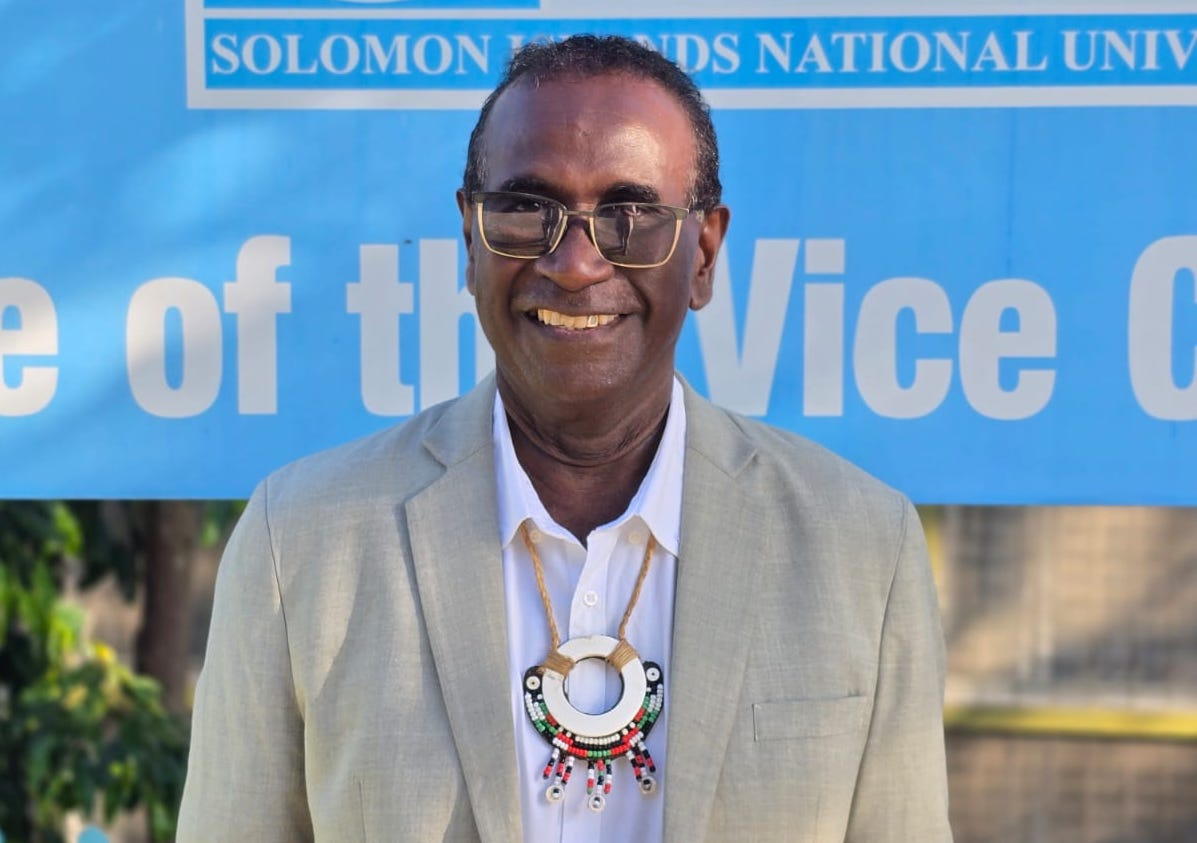
Security in the Pacific extends far beyond geopolitics, military tensions and strategic competition, according to reflections shared by Solomon Islands National University (SINU) Vice Chancellor Dr Transform Aqorau following discussions at the Pacific Peace and Security Dialogue in Suva.
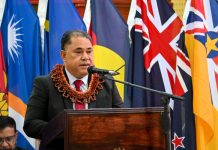
In a social media statement posted during the three-day dialogue, Dr Aqorau highlighted remarks made by Niue’s Minister of Home Affairs, Police, Corrections and National Disaster Management, Richie Mautama, describing them as one of the most memorable interventions at the meeting.
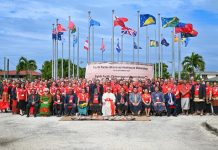
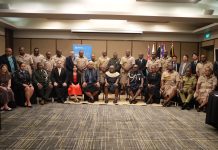
The dialogue, being held in Suva from 15 to 17 June, brought together regional leaders, officials and stakeholders to discuss emerging peace and security challenges facing Pacific Island countries.
According to Dr Aqorau, a discussion on security threats took an unexpected turn when participants were asked a familiar leadership question.
“The question was simple: ‘What are the threats that keep you busy and awake at night?’”
Dr Aqorau said Minister Mautama’s answer reflected the broad range of issues confronting Pacific leaders on a daily basis.
“The response from Hon. Richie Mautama, Niue’s Minister of Home Affairs, Minister for Police, Corrections and National Disaster Management, was anything but simple.”
He said the minister outlined several major concerns affecting Niue and the wider Pacific region.
“He spoke about community safety. He spoke about climate change. He spoke about illegal, unreported and unregulated (IUU) fishing. He spoke about threats to the ocean and the many challenges that come with managing security in a small island nation.”
But Dr Aqorau said it was Mautama’s final example that captured the attention of those attending the dialogue.
“Then, with a smile, he added another challenge that keeps him occupied:
Niue’s unmanaged dog population.”
Dr Aqorau said the comment illustrated an important reality often overlooked in international security discussions.
“The point was profound.”
He argued that discussions on security are frequently dominated by global strategic issues while overlooking the everyday concerns affecting Pacific communities.
“Too often, discussions about peace and security are dominated by geopolitical competition, military tensions, strategic interests and high-level policy debates. Yet for many Pacific communities, security is not an abstract concept. It is deeply personal, local and immediate.”
According to Dr Aqorau, security for Pacific communities is defined by practical concerns that directly affect people’s daily lives.
“Security means being safe in your community. It means protecting livelihoods from climate impacts.
“It means safeguarding ocean resources from illegal exploitation. It means being prepared for natural disasters.
And sometimes, it means dealing with a growing dog population that affects public safety, health and community wellbeing.”
The comments come as Pacific governments continue to push for broader definitions of security that include climate change, disaster resilience, food security, fisheries protection and community wellbeing alongside traditional defence and law enforcement concerns.
Dr Aqorau said Minister Mautama’s intervention demonstrated how Pacific security challenges often cut across multiple sectors simultaneously.
“Minister Mautama’s response was a reminder that Pacific security is multilayered. The issues that confront Pacific leaders do not fit neatly into traditional security categories. Instead, they span environmental, economic, social and community dimensions, often all at once.”
He also noted that leaders in small island developing states often manage a wide range of responsibilities under multiple ministerial portfolios.
“His comments also highlighted the reality of leadership in small island states, where ministers frequently carry multiple portfolios and must navigate an extraordinary range of responsibilities.”
“One moment they may be discussing regional security architecture and maritime surveillance; the next they may be addressing local concerns that directly affect daily life in villages and communities.”
Dr Aqorau said the minister’s remarks captured an essential aspect of Pacific approaches to security and governance.
“As the Dialogue continues, I will remember this intervention because it captured something essential about Pacific security: its strength lies in its human dimension.”
He said understanding security in the Pacific requires attention not only to regional strategies and policy frameworks but also to the realities faced by communities across the region.
“The Pacific’s security challenges are real and complex. But understanding them begins not only with strategy and policy, but with people, communities and the everyday realities that shape their lives.”
“And yes, sometimes that includes keeping a close eye on the dogs.”
The comments add to ongoing discussions at the Pacific Peace and Security Dialogue about how regional security frameworks can better reflect the priorities and lived experiences of Pacific communities, particularly as countries face increasing pressures from climate change, illegal fishing, natural disasters and other non-traditional security threats.