

Pacific Islands Forum Foreign Ministers have endorsed a new Regional Response Mechanism to help the region manage the growing economic and security risks arising from the Middle East crisis, warning that Pacific nations remain vulnerable to disruptions in fuel supplies, transport links and global supply chains.
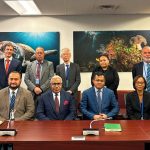
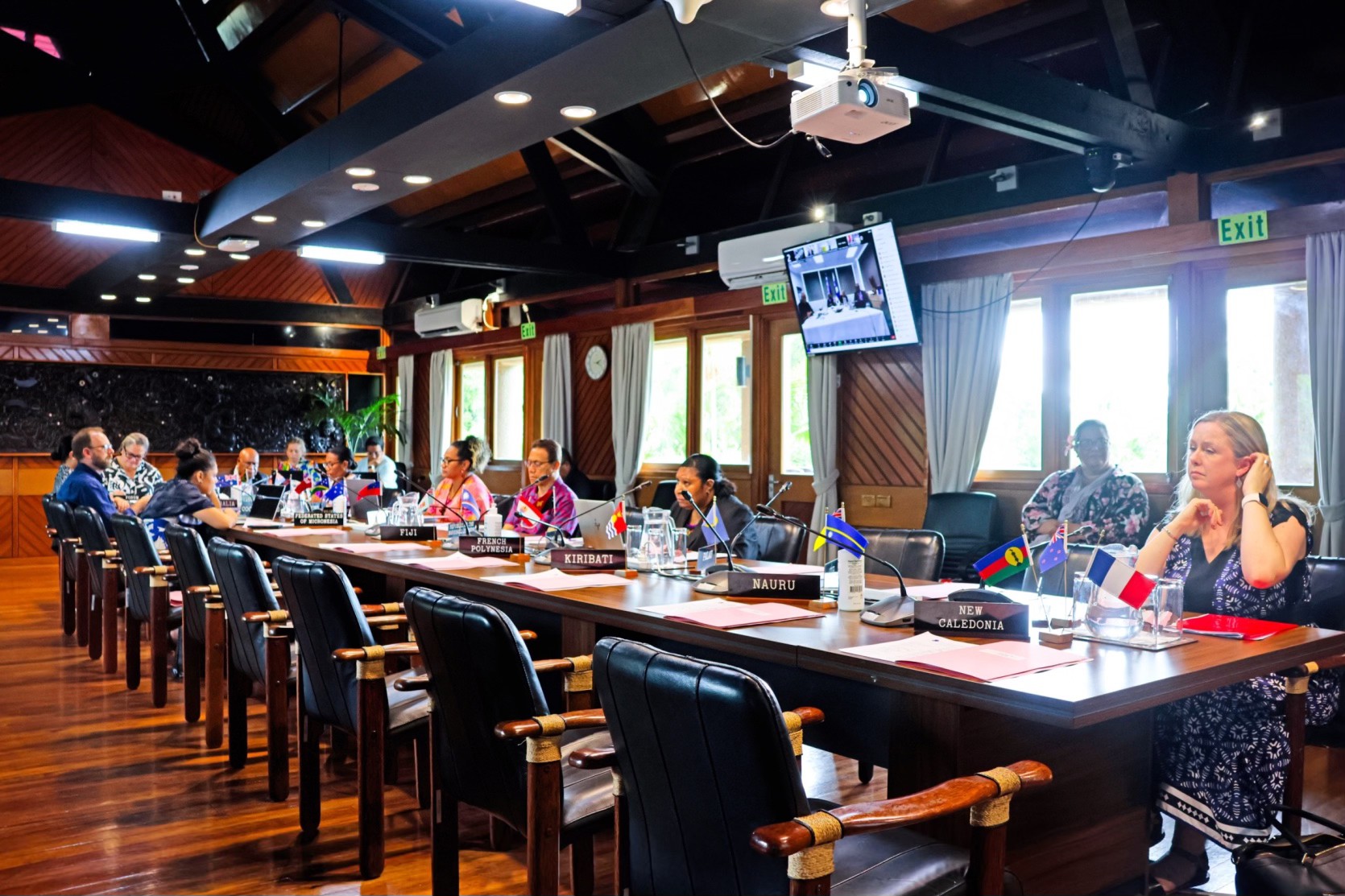
The decision was made during a Special Forum Foreign Ministers Meeting held virtually on 22 May 2026, after Forum Leaders invoked the Biketawa Declaration in response to the escalating situation in the Middle East.
The meeting was chaired by Solomon Islands Foreign Minister Rick Houenipwela and attended by Forum members at leader, ministerial and senior official levels.
In opening the meeting, Houenipwela stressed the significance of the crisis and its potential consequences for Pacific nations.
He acknowledged “the urgency and seriousness of the evolving situation in the Middle East and its implications for the Pacific region.”
The Chair said the Leaders’ decision to invoke the Biketawa Declaration reflected “the seriousness with which the Forum was approaching the evolving situation” and highlighted the need for the region to remain closely connected as events continue to unfold.
Houenipwela also highlighted the importance of Pacific unity, saying the regional response should be guided by “the Pacific Way and Leaders shared vision for a peaceful, resilient and secure Blue Pacific region.”
Forum Secretary General Baron Waqa congratulated Houenipwela on assuming the chairmanship and acknowledged Solomon Islands’ leadership in coordinating the regional response.
Waqa told ministers that the crisis carried implications beyond geopolitics, including risks to fuel security, transport connectivity, economic stability and wider regional resilience.
Ministers agreed that although the Pacific is geographically distant from the conflict, the region’s heavy reliance on imported fuel, aviation services, shipping routes, communications networks and global supply chains means it cannot escape the fallout.
They noted that the effects of the crisis are already extending beyond fuel prices and inflation to broader pressures on connectivity, access to essential goods and services, household resilience and increasing strategic competition.
Foreign ministers reaffirmed the importance of the Biketawa Declaration as a framework for coordinated regional action in response to emerging challenges.
They also shared updates on national preparedness measures, including emergency response planning, fuel and supply chain monitoring, fiscal support initiatives and efforts to protect essential services and vulnerable sectors.
Ministers stressed that regional action should complement national measures while improving collective awareness, technical coordination and resilience.
A key outcome of the meeting was the endorsement of a Regional Response Mechanism designed to provide political oversight and coordinated regional action in response to the emerging energy crisis.
The mechanism includes governance arrangements, guiding principles for regional engagement, escalation pathways and technical coordination structures.
Ministers said the framework would ensure issues are addressed at the appropriate level, with clear pathways from technical assessments through to political decision-making when required.
Drawing on lessons from the COVID-19 pandemic, ministers highlighted the need for timely political engagement and practical collective responses to region-wide shocks.
They also emphasised the importance of maintaining partnerships through technical coordination, information-sharing and budget support to ensure essential services continue and vulnerable communities are protected.
The meeting recognised the need to strengthen fuel storage arrangements, logistics planning, information-sharing systems, communications networks and emergency response capabilities across the region.
Ministers also discussed potential collective engagement with partners, particularly major fuel suppliers such as Singapore, on fuel supply, storage and logistics issues.
The meeting welcomed ongoing technical work by the Council of Regional Organisations of the Pacific (CROP) Taskforce on the Middle East Crisis and related technical working groups.
Foreign ministers supported the rapid completion of a regional fuel security audit to provide evidence-based information on vulnerabilities, priority areas and practical response options.
They also encouraged development partners to support Pacific efforts to prepare for and manage the impacts of the crisis.
Looking ahead, ministers agreed to meet virtually at least once before the 55th Pacific Islands Forum Leaders Meeting to maintain political oversight of the Regional Response Mechanism and monitor developments.
The meeting also considered a draft Political Statement by Pacific Islands Forum Leaders titled Appeal for Global Peace, Grounded in the Ocean of Peace Declaration.
Ministers acknowledged Fiji’s leadership in advancing the draft statement and endorsed its submission to Forum Leaders for consideration.
The outcomes of the Special Forum Foreign Ministers Meeting will now be finalised by a drafting committee and circulated to members for endorsement through the silence procedure.