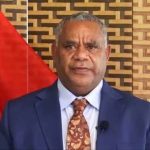
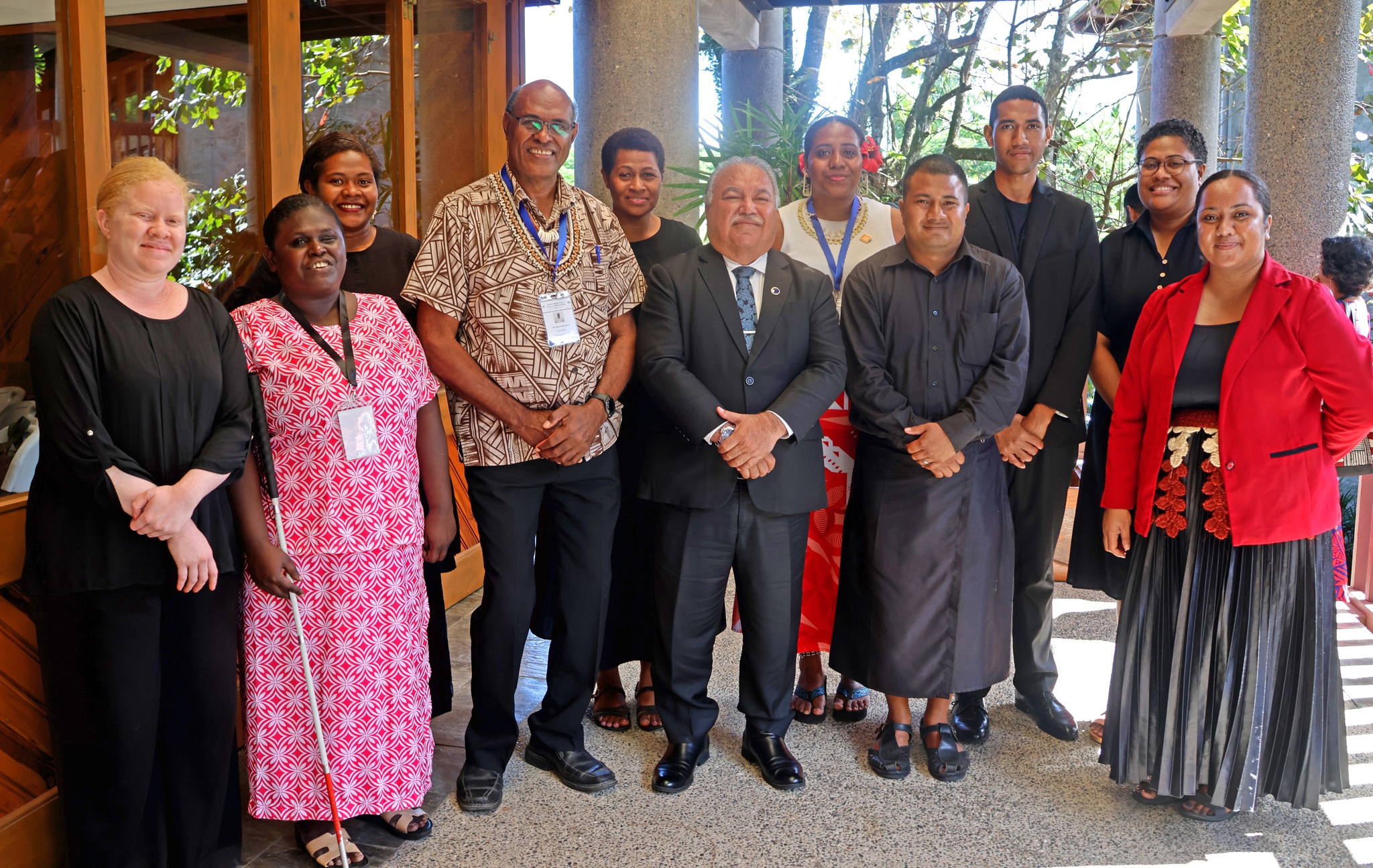
Forum Secretary General Baron Divavesi Waqa has called on regional leaders to move beyond policy commitments and deliver tangible improvements in the lives of women, girls and vulnerable groups across the Pacific.
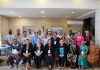
Speaking at the Pacific Islands Forum Women Leaders Meeting on Thursday, Waqa said gender equality and social inclusion had become central priorities of Pacific regionalism and must now translate into practical outcomes for communities.
Waqa said the Forum had spent the past four years building the Women Leaders Meeting into a key platform for advancing regional decisions on gender equality and social inclusion.
“Over the past four years, we have worked together to lay the foundations for the Pacific Islands Forum Women Leaders Meeting to become a strong and strategic platform for advancing Leaders’ decisions on gender equality and social inclusion,” he said.
Waqa said the growing influence of the meeting was reflected in the decision by Forum Leaders in 2025 to make gender equality, social inclusion and early childhood development permanent agenda items at annual leaders’ meetings.
“Gender equality and social inclusion are no longer at the margins of Pacific regionalism, but at the heart of the future we seek for our people.”
“The Forum Leaders’ decision in 2025 to elevate gender equality and social inclusion, and early childhood development as standing agenda items on their annual meeting agenda reflects the growing strength of this Meeting to shape regional thinking and guide political leadership towards a more inclusive Pacific future,” Waqa said.
Waqa said the focus must now be on implementation.
“Today, we are called to move from policy to action so that our regional commitments deliver meaningful change in the daily lives of Pacific women and girls, families and communities.”
He said meaningful change would be measured through improvements in safety, economic opportunities, access to services and participation in decision-making.
“This means safer homes, stronger livelihoods, better access to services and a more equal voice in the decisions that shape the future of our region,” he said.
“It also means strengthening families and communities through leadership grounded in Pacific values of mutual respect, collective care and shared responsibility,” the Forum SG said.
Waqa described the Women Leaders Meeting as an important mechanism for turning regional commitments into coordinated action.
“The Pacific Islands Forum Women Leaders Meeting gives us a practical way forward to align priorities, strengthen accountability and mobilise partnerships so that regional commitments are translated into coordinated action at national and community level.”
He said the meeting also demonstrated growing political support for advancing equality and inclusion across the Pacific.
“It also reflects the growing political will across our region to give these issues the attention they deserve at the highest level.”
“In a time when progress on gender equality and social inclusion is being tested globally, the Pacific continues to show leadership by keeping equality, inclusion and human rights firmly on the regional agenda,” he said.
Waqa used the occasion to congratulate Kiribati’s Minister for Women, Ruth Kwansing on her election to the Commission on the Status of Women, describing it as a milestone achievement for both Kiribati and the wider Pacific region.
“On this note, I would like to take this opportunity to warmly congratulate Minister Ruth Kwansing on being successfully elected to the Commission on the Status of Women, the first Pacific Islander to serve on the Commission. This is a proud milestone for Kiribati, and for our Blue Pacific region,” he said.
He said the appointment was particularly significant as the region develops a framework for nominating Pacific candidates to international bodies.
“This is also very timely given we are developing a regional mechanism for the selection and appointment of regional candidatures to International bodies.”
Looking ahead, Waqa said the success of regional initiatives would ultimately be judged by their impact on people’s lives.
“As we look ahead, the strength of our regional vision will be measured by the positive change it brings to people’s daily lives.”
“Progress will only be sustained if we keep people at the centre and strengthen the systems, services and opportunities that enable Pacific women and girls, youth, persons with disabilities, families and communities to thrive,” Forum SG Waqa said.
He said the Women Leaders Meeting was especially important at a time when many Pacific countries were facing economic and social pressures.
“This Meeting therefore matters because it helps turn shared purpose into practical action, including in times of crisis and economic pressure.”
“We have shaped this year’s PIF Women Leaders Meeting agenda to discuss key issues affecting our region, and to ensure that women, girls and other vulnerable groups are not left out or behind,” he said.
Waqa also urged ministers and officials to ensure that decisions made during the meeting result in real improvements for Pacific communities.
“Let us ensure that our decisions these couple of days bring real change for Pacific women and girls, greater security for families, and stronger, more inclusive and resilient communities.”
“If we do this well, we will help build a Blue Pacific future grounded in dignity, opportunity and wellbeing for all,” he said.