
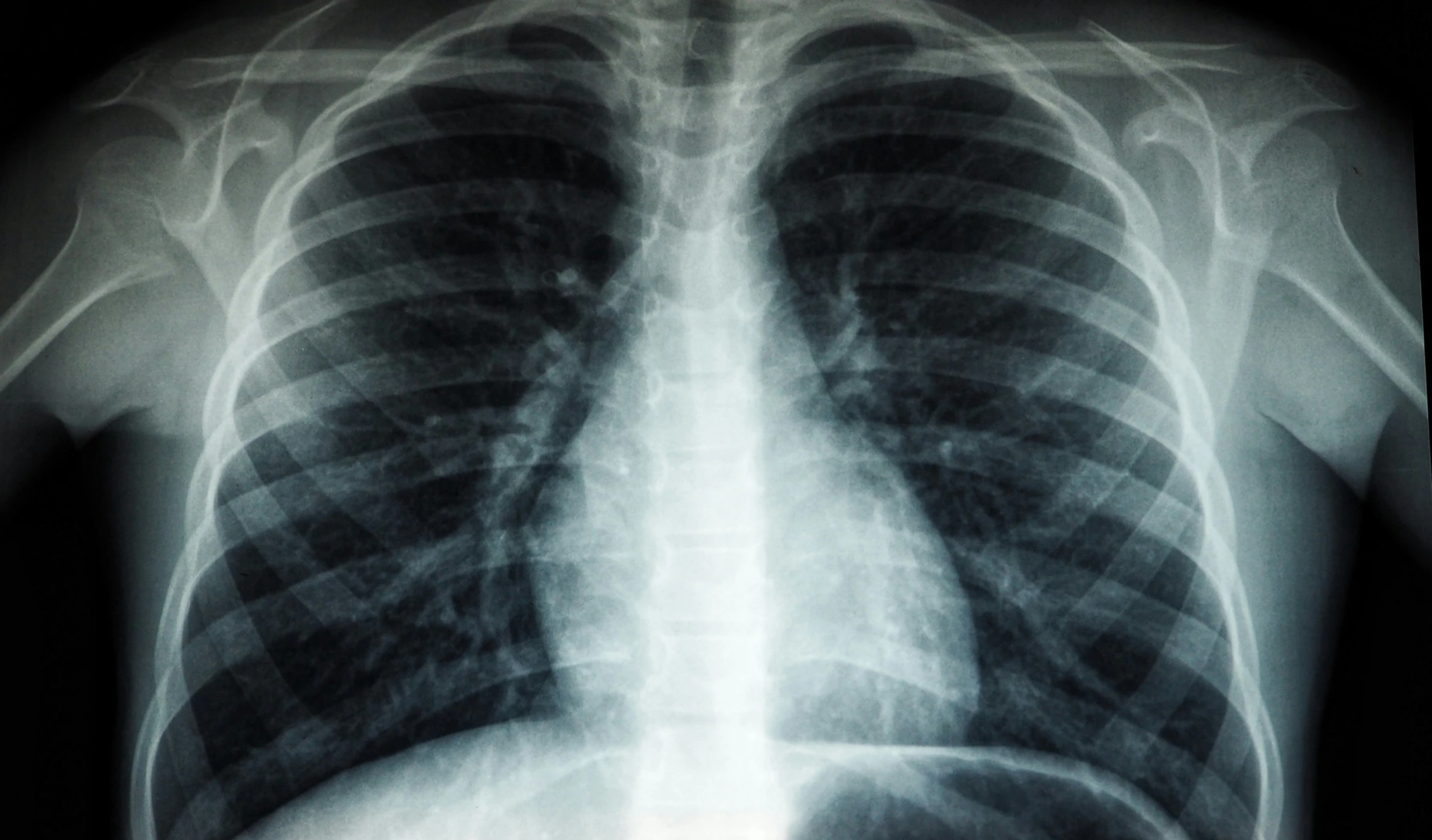
The World Health Organisation (WHO) urged governments in the Western Pacific region to accelerate country-led action to transform tuberculosis care, decentralize services and scale up innovation to end one of the deadliest infectious killers in the region and around the world.
WHO issued the call on World Tuberculosis Day 2026, globally themed “Yes! We can End TB!”
Dr Saia Ma’u Piukala, WHO regional director for the Western Pacific, said ending TB is achievable if countries act with ever greater urgency.
“Bringing TB services closer to communities and rapidly expanding access to new diagnostic tools, in an environment free of stigma, are essential to reaching everyone in need,” he said.
Recent progress shows improvement is possible through expanded access to WHO-recommended rapid diagnostics, increased uptake of shorter all-oral regimens for drug-resistant TB and more people at high-risk receiving TB preventive treatment.
However, WHO noted that stagnant funding, competing health priorities and persistent risk factors such as smoking, undernutrition, alcohol use and diabetes threaten essential TB services.
Integrated TB services at the primary health-care level improve early detection, reduce delays in treatment and prevent transmission. Delivering stigma-free, people-centred care strengthens health systems and ensures vulnerable populations are not left behind.
WHO urges countries to accelerate the rollout of WHO-recommended near-point-of-care molecular tests, which detect TB – including drug-resistant TB – more quickly and accurately.
In 2024, an estimated 2.9 million people were affected by TB across the Western Pacific region, with Indonesia, the Philippines and China among the world’s top five high-burden countries.
Ending TB is a strategic political and economic decision. Evidence shows that every dollar invested in TB can generate up to US$43 in health and economic returns.
“The evidence is clear. We know what needs to be done,” said Dr Huong Tran, WHO director of Health Promotion, Disease Prevention and Control in the Western Pacific.
“WHO calls on governments, health workers, civil society and communities to sustain political commitment, empower health workers, combat stigma and ensure essential TB services remain accessible and resilient,” he added.