




By Masato Kanda, President of the Asian Development Bank
Mongolia is nearly 5,000 kilometers from the Strait of Hormuz. Palau is even farther, around 8,500 kilometers away. Neither country has any part in the conflict there. Yet when I visited each this year, I saw communities paying for it at the fuel pump and at the dinner table.
Households across Asia and the Pacific are feeling the impact too, with inflation expected to rise to 4.2 percent this year from 3.0 percent last year.
Shocks already connect economies across the region. Opportunity, not so much. That is the gap we at the Asian Development Bank (ADB) intend to close in my new term as President.
Closing that gap matters far beyond our region. More than half the world’s people live in Asia and the Pacific, and our economies are forecast to grow 5 percent this year, making the region a powerful engine of global growth. But that progress, earned over decades of hard work, is not guaranteed.
The challenge is visible at every border. One country has electricity to spare while its neighbor faces shortages. Investors in one market struggle to find viable projects while businesses across the border lack financing. Each economy possesses strengths that others need. Our task is to make it easier for those strengths to meet.
That requires choices by governments. Sound economic management and regulations that encourage investment remain essential. Countries also need to diversify their trading partners and sources of supply. Beyond national reforms, they need common rules and systems that allow energy, goods, information, and finance to move more freely and securely across borders.
No government can build those systems alone. Cross-border projects benefit several countries, so their costs and rewards rarely fit neatly within a single budget. As a result, projects that would create value for everyone too often go unbuilt. Regional institutions have a responsibility to act. They must bring governments together, prepare projects that investors can finance, and help manage risks that private capital cannot bear alone.
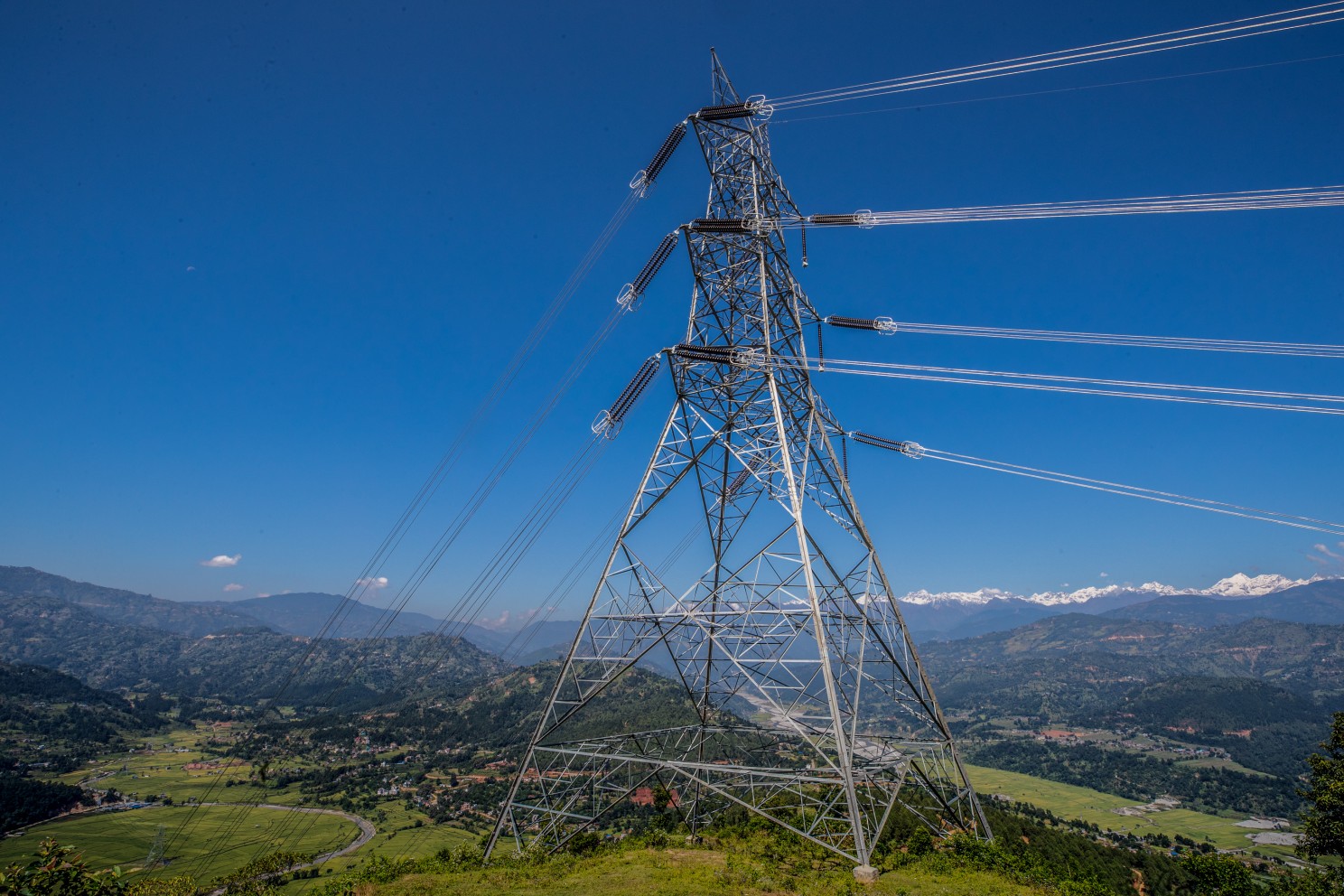
ADB is already putting its financing and technical expertise behind that work. Through the Pan-Asia Power Grid Initiative, we aim to mobilse US$50 billion by 2035. The goal is to enable 20 gigawatts of renewable electricity to flow across borders and improve access to power for 200 million people. Building transmission lines is only part of the task. Countries must also agree on tariffs, technical standards, and the rules that govern electricity trade.
What the grid will do for power, our Asia-Pacific Digital Highway aims to do for connectivity, mobilizing another US$20 billion by 2035. The initiative is designed to improve internet connections for as many as 650 million people, including about 200 million who could gain reliable broadband for the first time. It would also connect roughly 300,000 schools and more than 25,000 hospitals and health care facilities.
We are applying the same principle in Southeast Asia. As companies rethink where they source, produce, and invest, no single economy can offer everything they need. Newly designated as ASEAN’s main bank, ADB has pledged to mobilise US$30 billion for ASEAN by 2030 to support the ASEAN Power Grid and the region’s digital economy. It will also help integrate capital markets and manage the rivers that water and food supplies depend on. ADB is also playing a leading role in regional cooperation and integration in other subregions including Central and West Asia, South Asia, and the Pacific. Better connections can turn geographic proximity into economic opportunity.
These commitments are only the beginning. For the first time in ADB’s history, our shareholders have amended the bank’s Charter, increasing our annual financing capacity by 50 percent without requiring additional capital. Combined with our goal of expanding private investment four-fold by 2030, we now have an opportunity to build systems and connections at a scale that was previously out of reach.
The time to act is now. There are opportunities and risks created by energy transitions, the rise of digital technologies like artificial intelligence, and the reconfiguration of global supply chains. These opportunities and risks, including the existential risks posed by AI, did not exist a decade ago. Countries that are better connected will be better positioned to seize the opportunities and mitigate the risks, by attracting investment, creating jobs, and building resilience. Those that are not connected may be left behind as new networks and markets take shape.
Asia and the Pacific will help define the course of this century. The question is whether we do so in pieces or as one. One region, one connected future. That is the work of ADB’s next five years.