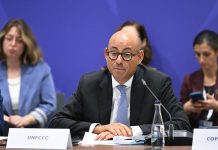

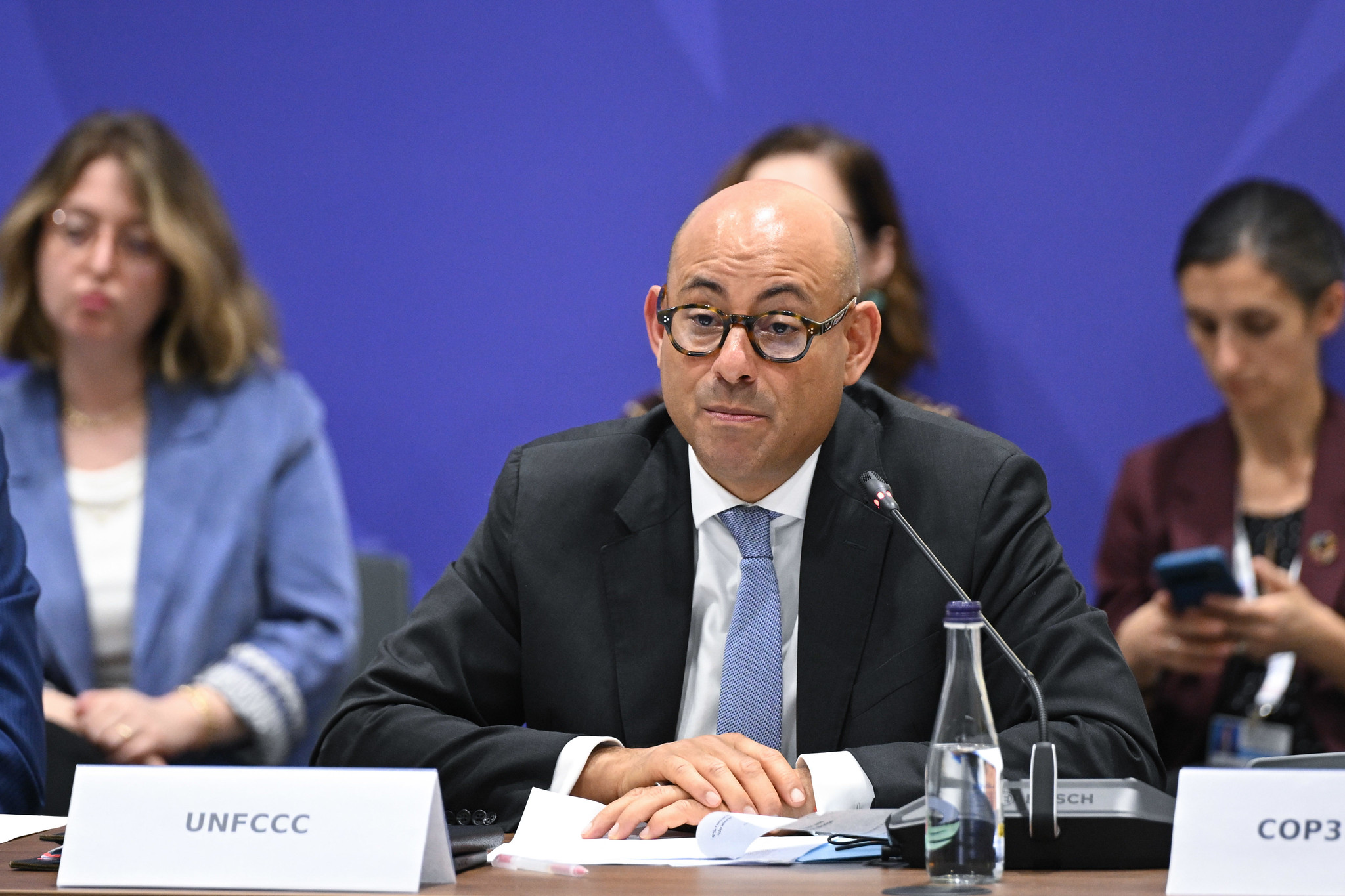
UN Climate Change Executive Secretary Simon Stiell has urged countries to accelerate negotiations at COP31 and avoid tactical delays, warning that progress will depend on compromise and turning climate commitments into action.
Speaking at the midpoint of the UN climate conference in Antalya, Türkiye, Stiell said nearly 200 countries were working through 165 mandates, with negotiations gaining momentum but difficult issues still to be resolved.
“As we head into the second week, I urge Parties to move swiftly to the hardest issues and to avoid tactical delays,” he said.
Stiell said negotiations were progressing, with governments, international institutions, businesses and civil society gathered at one of the largest COP meetings ever held.
He said world leaders had reaffirmed their commitment to climate action and the UN climate process, while countries were increasingly recognising the economic and social costs of global heating.
Nations were also pursuing climate action to strengthen their economies, with renewable energy offering opportunities for economic growth, employment and more secure and affordable energy.
“Renewables are a key driver of growth, jobs, and secure, affordable energy. And adaptation is central to competitiveness,” he said.
Stiell said issues including electrification and access to climate finance were firmly on the agenda, alongside efforts to strengthen resilience and protect communities from climate impacts.
He acknowledged the difficulty of reaching consensus among almost 200 countries, each with different positions and priorities.
“Getting agreement on every word, every sentence, is tough but vital work. There is no collective success without compromise from every Party,” he said.
Beyond the formal negotiations, Stiell said the COP31 Action Agenda was connecting government commitments with practical climate action across the economy.
This included expanding clean power, strengthening infrastructure, reducing industrial emissions and protecting people from disasters.
He said these measures could create jobs, save lives and protect livelihoods, but warned there was no single solution to the climate crisis.
“There’s no climate quick-fix. No single COP can magic this crisis away. But each must drive progress,” he said.
Stiell also called for greater public engagement in climate action, saying the climate community needed to reach billions of people by connecting climate impacts and solutions to their everyday concerns, including health, employment and affordable energy.
He highlighted the role of sport, entertainment and culture in communicating the effects of climate change and encouraging public action.
Stiell said athletes attending COP31 had described how rising temperatures and extreme weather were affecting sporting events, athlete safety and performance.
He higlighted this year’s World Cup, where storms disrupted matches and extreme heat placed players under pressure and sent spectators to hospital.
Telemundo journalist Vanessa Hauc was also recognised for bringing climate issues to millions of viewers during the tournament, using hydration breaks to explain the effects of extreme heat.
Stiell said sporting organisations, including UEFA, had outlined investments to help the sector adapt to climate change through the UN’s Sports for Climate Action Framework.
He said film, music, television and art also had an important role in helping people understand climate change and imagine solutions.
“Climate action needs imagination,” he said.
Stiell said UN Climate Change was supporting this through its Entertainment and Culture for Climate Action (ECCA) initiative, which brings together creative industries and partners to encourage climate storytelling.
Tamseel Hussain, who attended the press conference, is working with UN Climate Change and partners to help a new generation of creators develop stories reflecting people’s lived experiences.
Stiell said the work involving sport, culture and entertainment was still at an early stage but offered significant potential to broaden public participation in climate action.
The second week of COP31 will focus on advancing negotiations and reaching agreements on outstanding issues before the conference concludes.