

About 430 million people across the Western Pacific are affected by hypertension, putting millions at risk of heart disease, stroke and premature death as health ministers meet to accelerate action on the region’s major health threats.
The World Health Organisation (WHO) says hypertension control remains poor across much of the region, with rates below 10 percent in some Pacific island countries and areas, highlighting a major gap in the prevention and treatment of noncommunicable diseases.
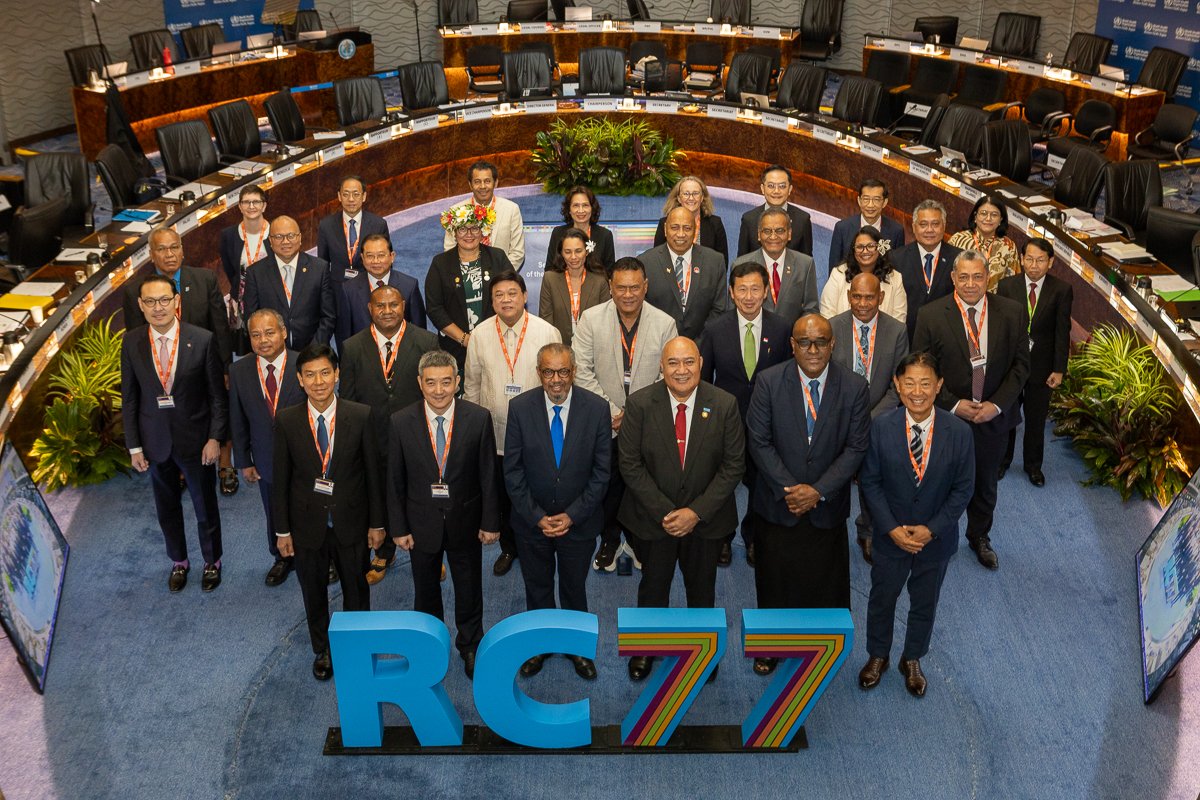
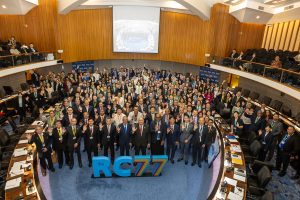
The warning comes as health ministers and senior officials gather for the 77th session of the WHO Regional Committee for the Western Pacific, being held from 19 to 22 October to address stalled progress in hypertension control, tobacco reduction and immunisation, while considering safeguards for the use of artificial intelligence in healthcare.
WHO Regional Director for the Western Pacific, Dr Saia Ma’u Piukala, said the agenda was both ambitious and urgent, with governments facing increasing pressure to deliver health services amid economic constraints, ageing populations, rising noncommunicable diseases and climate-related health threats.
“By addressing hypertension and the harms of tobacco, we can make significant progress on a range of noncommunicable diseases, from cardiovascular disease and stroke to different kinds of cancer,” Piukala said.
He said closing immunisation gaps was also critical to protecting children and young people from preventable diseases, including measles and polio.
The Regional Committee will consider four action plans to guide WHO cooperation and support for countries and areas across the region.
Hypertension is a major concern, affecting about 430 million people in the Western Pacific. One in three adults lives with the condition, which increases the risk of heart disease, stroke, disability and premature death.
Control rates remain below 20 percent in many countries and below 10 percent in some Pacific island countries and areas.
The proposed regional plan aims to improve detection, treatment and control of high blood pressure, with approaches suited to small island communities, remote rural areas and densely populated cities.
Tobacco control is another priority, with tobacco use causing about three million deaths annually across the region.
Most countries are not on track to achieve the target of reducing tobacco use by 30 percent by 2030.
WHO has identified the growing use of e-cigarettes among young people, tobacco industry interference and slow progress on taxation and enforcement as key challenges.
The proposed action plan seeks to accelerate measures to reduce tobacco use and strengthen progress towards the 2030 target.
On immunisation, WHO says progress has slowed and, in some settings, reversed, leaving the region off track to meet key targets under Immunisation Agenda 2030.
The proposed plan prioritises reaching children who have never received a vaccine, improving coverage among under-immunised populations, sustaining measles elimination and expanding vaccination across all stages of life.
The fourth action plan addresses the growing use of artificial intelligence in public health.
The proposed guidance on responsible AI in health aims to help countries use the technology safely and ethically, including to expand essential health services to underserved communities.
It sets out three operational frameworks covering the selection of priority AI applications, the systems and resources needed to support them, and the development of institutional and workforce capacity.
Dr Piukala said AI could help health systems reach communities that have traditionally been difficult to serve, provided the technology was used responsibly.
“By harnessing the immense potential of AI, ensuring we employ this technology safely, ethically and effectively, we can reach the unreached in ways we could scarcely have believed possible not that long ago,” he said.
The meeting will also hold a ministerial roundtable on establishing a regional essential health stockpile through pooled procurement, aimed at strengthening access to critical medical supplies.
A separate discussion with civil society partners will examine efforts to support healthy ageing as countries respond to changing population needs.
The session also marks the final time WHO Director-General Dr Tedros Adhanom Ghebreyesus will attend a Western Pacific Regional Committee meeting before completing his second and final term next year.
Dr Piukala paid tribute to Tedros for leading the organisation through major global health challenges.
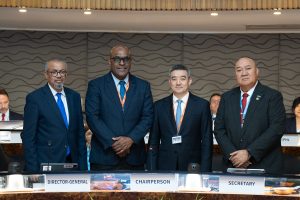 “He has consistently defended science when it was questioned, solidarity when it was tested and multilateralism when it came under pressure,” Piukala said.
“While our Director-General’s tenure may be moving towards its conclusion, his place in our Western Pacific family will always remain.”
The Regional Committee is WHO’s governing body for the Western Pacific Region and brings together Member States to set regional health priorities and guide cooperation on public health challenges.