
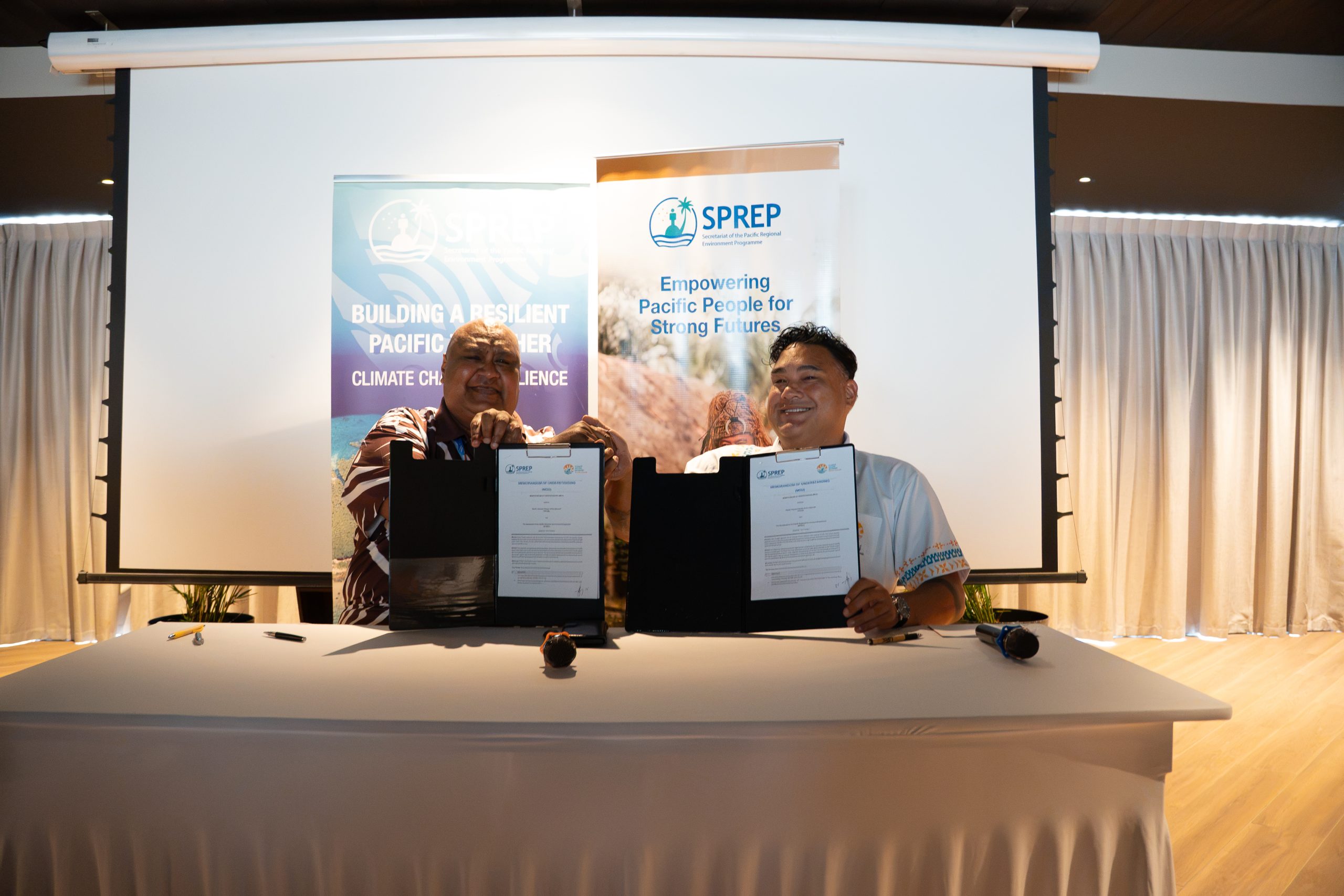
The Secretariat of the Pacific Regional Environment Programme (SPREP) and the Pacific Islands Climate Action Network (PICAN) have cemented a shared commitment to protect and manage the environment and natural resources of the Pacific.
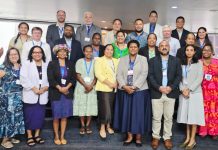
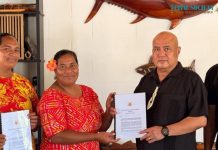
On the margins of the Pacific Small Island Developing States (PSIDS) pre-COP31 meeting at the Tanoa International Hotel, Nadi, SPREP and PICAN signed a Memorandum of Understanding, providing a framework of co-operation between the parties on issues of mutual concern to strengthen systems, institutions, organisations and individuals concerned with environmental protection in the Pacific region.
SPREP is a regional, intergovernmental organisation comprising 26 members consisting of 21 Pacific Island Countries and Territories and five developed countries with direct interests in the Pacific region.
SPREP Director General, Sefanaia Nawadra, welcomed PICAN to the Secretariat’s growing list of partners it continues to work with to build a resilient Pacific environment.
“SPREP is extremely grateful on behalf of our Pacific members to be able to sign this most important memorandum with PICAN,” he said.
“This signing is especially timely with the PSIDS pre-COP31 meeting today because it’s another assurance that SPREP has many great partners to help us do this work. We welcome PICAN and we look forward to working with you to serve our Members and Pacific communities.”
James Perez Viernes, Principal Advisor — Strategy and Regional Affairs, PICAN, expressed gratitude to SPREP for the opportunity to strengthen the commitment to work together.
“PICAN and SPREP are certainly not strangers,” said James Viernes.
“We have worked together for many years to support PSIDS delegates and negotiators through the UNFCCC and other processes, ensuring we drive our collective ambition as Pacific peoples in addressing the climate crisis.
“Most significantly, this MOU is a testament to SPREP and PICAN answering the long-going call for greater and more meaningful integration of Pacific civil society into policy and decision-making spaces. As civil society, we are at the frontlines of climate change—often among the first to respond to its impacts. But apart from simply responding, we also represent rich and diverse expertise, weaving together Indigenous and traditional knowledge, scientific and technical expertise, and the lived experiences of our communities.
“Through this MOU, we have an opportunity to bring that collective knowledge and expertise together with the strengths of SPREP and its member countries.”
PICAN is the Pacific regional hub of Climate Action Network International (CAN), the world’s largest network of over 2,500 non-profit organisations and civil society groups dedicated to tackling the climate crisis.
Within the Pacific, PICAN unites over 260 diverse organisations, fostering a powerful collective voice for climate action.