Fiji will push for greater recognition of the Pacific Ocean as central to climate action at the upcoming UN climate negotiations, saying COP31 must move beyond promises and focus on implementation.
Speaking ahead of the Pacific pre-COP and COP31, Fiji’s Assistant Minister for Foreign Affairs Lenora Qereqeretabua said Pacific Island countries had an opportunity to change how the world understands the climate crisis by placing the ocean at the centre of global climate discussions.
“As we approach the Pacific Pre-COP and COP31, I believe we as Pacific Islanders have an important opportunity to change the way the world understands the climate crisis,” she said.
For Pacific communities, she said, climate change could not be separated from the health of the ocean, given the dependence of island economies and communities on marine resources.
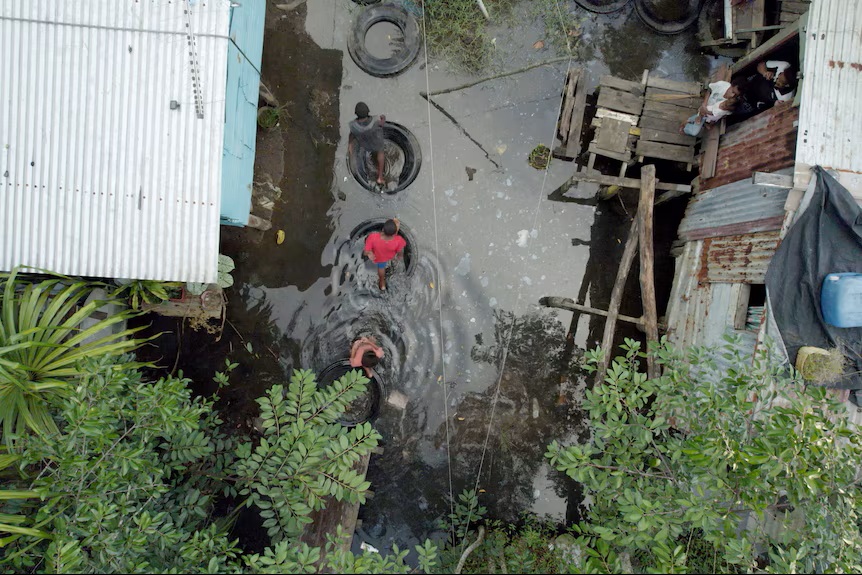
“When the ocean warms, when the sea levels rise, when coral reefs decline and when our fisheries are disrupted, the consequences are felt directly in our homes and in our economies,” Qereqeretabua said.
“This is why I believe that the ocean must move from the margins of the climate conversation to being the centre of it.”
Fiji and Tuvalu will jointly host the Pacific pre-COP, giving Pacific countries an opportunity to put their experiences, knowledge and solutions directly before international decision-makers.
Qereqeretabua said Pacific countries should use the opportunity not simply to highlight their vulnerability, but to demonstrate leadership and show the world the realities faced by island communities.
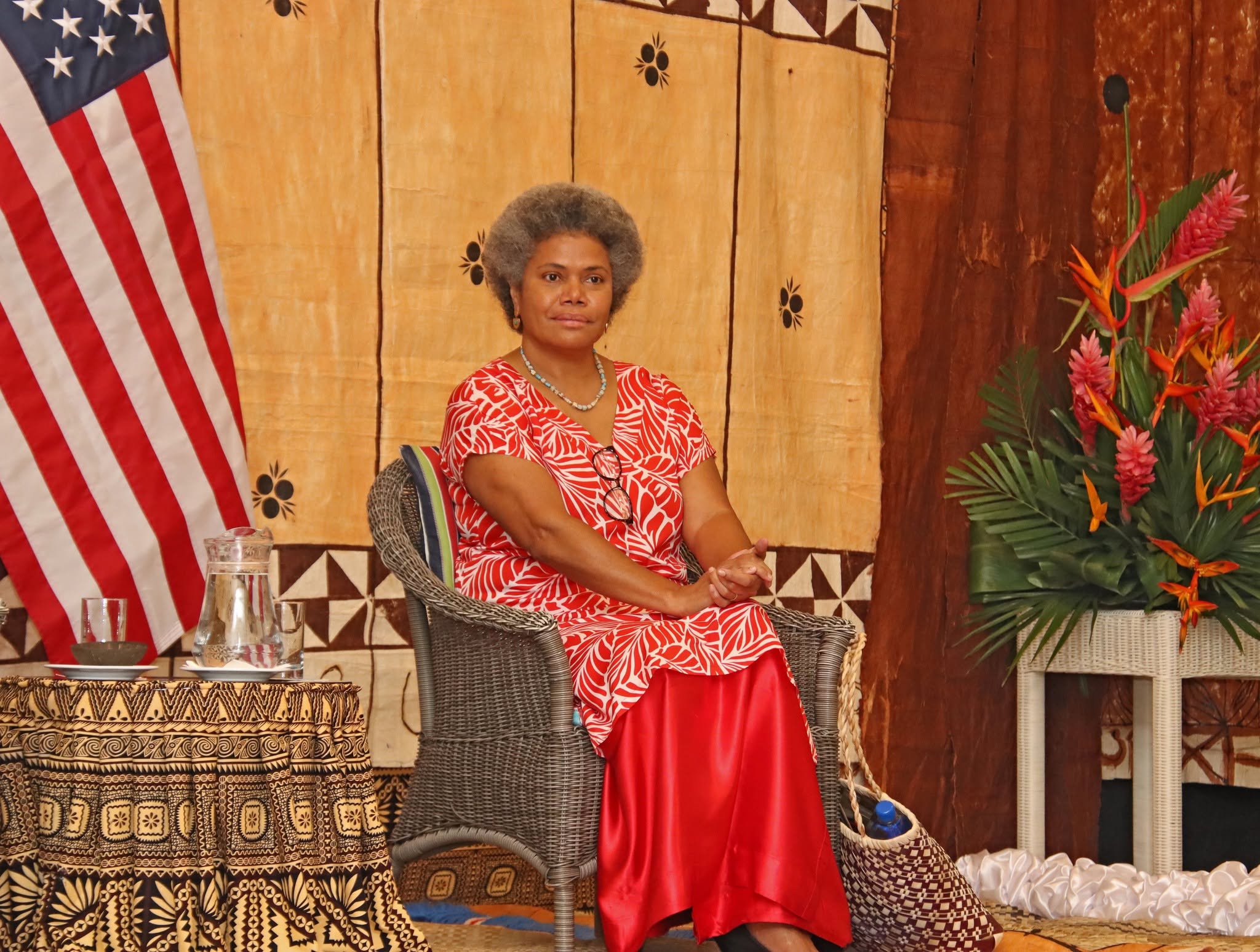
She said Fiji’s priority at COP31 would be implementation, particularly on climate finance.
“For Fiji and for the Pacific, COP31 must be about implementation,” she said.
“We need climate finance that is not only accessible, but predictable and is appropriate for Small Island Developing States. We need adaptation finance to reach the communities that are already experiencing the impacts of climate change.”
She also called for meaningful progress on loss and damage and adequate support for the Pacific Resilience Facility, which is designed to channel finance towards climate resilience at the community level.
Qereqeretabua said the ocean itself should be recognised as part of the solution to the climate crisis, pointing to reefs, mangroves, seagrasses, wetlands and fisheries as forms of natural infrastructure.
“These are not simply environmental assets. They are natural infrastructure. They protect our coastlines. They sustain our people. They support tourism and fisheries. They store carbon and underpin the Blue Pacific Economy,” she said.
She also reiterated the Pacific’s position that efforts to keep global warming within 1.5 degrees Celsius must remain a priority.
“For the Pacific, 1.5 is not a negotiating slogan. It’s about the future of our communities, our economies, our cultures, and ultimately the security and viability of our island nations,” she said.
Responding to a question on what Pacific countries would seek at COP31, Qereqeretabua said the region wanted to see an end to unfulfilled financial commitments.
“The Pacific delegates to the pre-COP and to COP will insist that this COP will be the COP where we stop making promises and start implementing,” she said.
“We have come away from numerous COPs with promises of millions of dollars for loss and damage, money that still has not been seen.”
She urged international leaders and negotiators to visit Pacific communities and witness the impacts of climate change directly.
“This is going to be our strongest message. Come and see what we’ve been going on about for decades. This is your opportunity to come and see for yourselves,” she said.
Qereqeretabua added the Pacific would arrive at COP31 not simply seeking protection, but offering solutions.
“The Pacific does not come to the global climate process simply asking to be protected. We come with solutions, we come with Pacific knowledge, and we come with an ocean that sustains us, and we have a responsibility to protect it,” she said.