


The United States (U.S) Embassy in Port Moresby, which handles U.S interests in Vanuatu, has defended the decision to permanently include Vanuatu in the U.S Visa Bond Programme, saying the measure is aimed at enforcing immigration laws and reducing visa overstays.
The Embassy told the Daily Post that visa bonds may be required from nationals of countries with “high overstay rates, deficient information sharing, insufficient identity verification and criminal records”.
It also pointed to areas requiring improvement in screening and vetting, as well as the security of travel and civil documents, including in the granting of citizenship.
However, the Embassy did not provide the Daily Post with a specific figure for the number of Ni-Vanuatu who have overstayed their visas in the U.S. or say how many are currently living illegally in the country.
The response comes after the Daily Post reported that Vanuatu is among five Pacific Islands Forum member states permanently included in the programme, alongside Fiji, Papua New Guinea, Tonga and Tuvalu.
The U.S State Department’s published list confirms Vanuatu was placed under the visa-bond requirement on 21 January 2026.
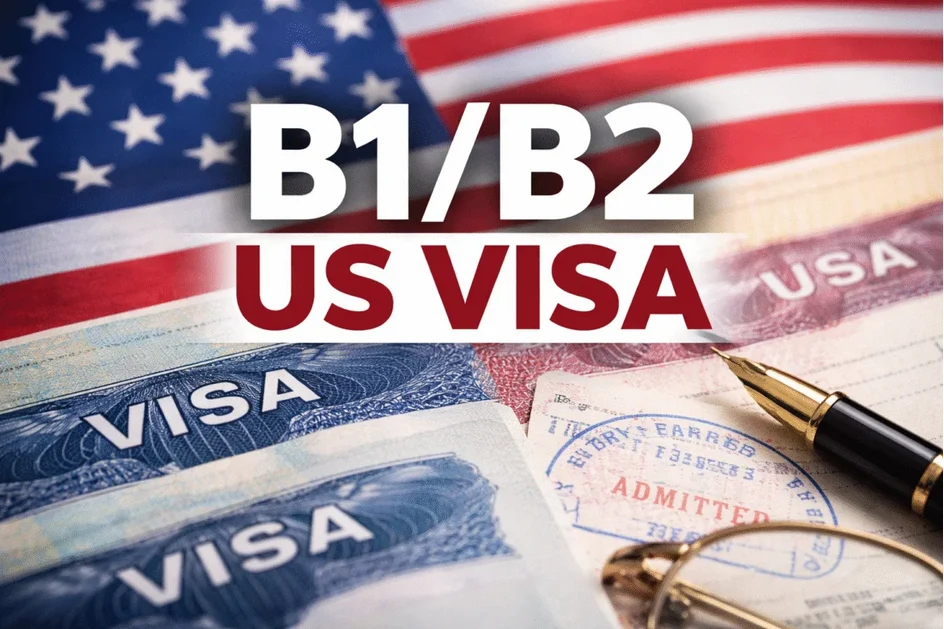
Under the programme, certain applicants for B1/B2 business and visitor visas may be required to post a financial bond before being granted a visa. The final programme allows the bond to reach US$20,000, equivalent to about VT2.35 million.
The U.S Embassy said the Trump Administration is continuing to put American interests first by “fully enforcing U.S immigration laws and ensuring lawful travel through our visa process”.
It said visa bonds have proven effective in deterring visa overstays and enforcing compliance with U.S. visa regulations.
“This action reflects President Trump’s commitment to protecting the American people, enforcing our immigration laws, and safeguarding U.S. taxpayer resources by reducing illegal overstays,” the Embassy said.
The programme was initially introduced as a pilot in August 2025. The earlier arrangement allowed bonds of US$5,000, US$10,000 or US$15,000, but the final rule removed the US$5,000 option and increased the maximum bond to US$20,000.
The requirement does not mean every Ni-Vanuatu applicant will automatically have to pay US$20,000.
The Embassy said Ni-Vanuatu citizens who are eligible for a U.S visa and intend to comply with U.S law remain welcome to apply.
“As Secretary Marco Antonio Rubio has repeatedly made clear, a U.S visa is a privilege, not a right,” the Embassy said.
The Embassy has encouraged applicants to carefully review the visa-bond requirements before applying.
The U.S decision places Vanuatu alongside four other Pacific countries under a measure that Washington says is designed to address visa overstays and strengthen compliance with U.S immigration requirements.
The move has raised questions about Vanuatu’s own visa overstay record, information-sharing arrangements, identity verification and the security of its travel and civil documents.
While the U.S Embassy has outlined the broad criteria used for the programme, it has not publicly provided a Vanuatu-specific breakdown showing which of those factors contributed most heavily to Vanuatu’s inclusion.
The financial impact could be significant for Ni-Vanuatu travellers required to post the maximum bond, with US$20,000 equivalent to around VT2.35 million — a substantial amount for an individual seeking to travel temporarily to the United States.