
Fiji High Court in Suva has declared the Commission of Inquiry (COI) report null and void, quashing its recommendations in their entirety after finding the inquiry was tainted by bias and breached the rules of natural justice.
Justice Dane Tuiqereqere delivered the landmark ruling Friday, reading from a 154-page judgment.
The court found that the Commissioner of Inquiry, Justice Ashton Lewis, had acted with bias during the inquiry.
Justice Tuiqereqere also ruled that several parties were denied natural justice during the proceedings.
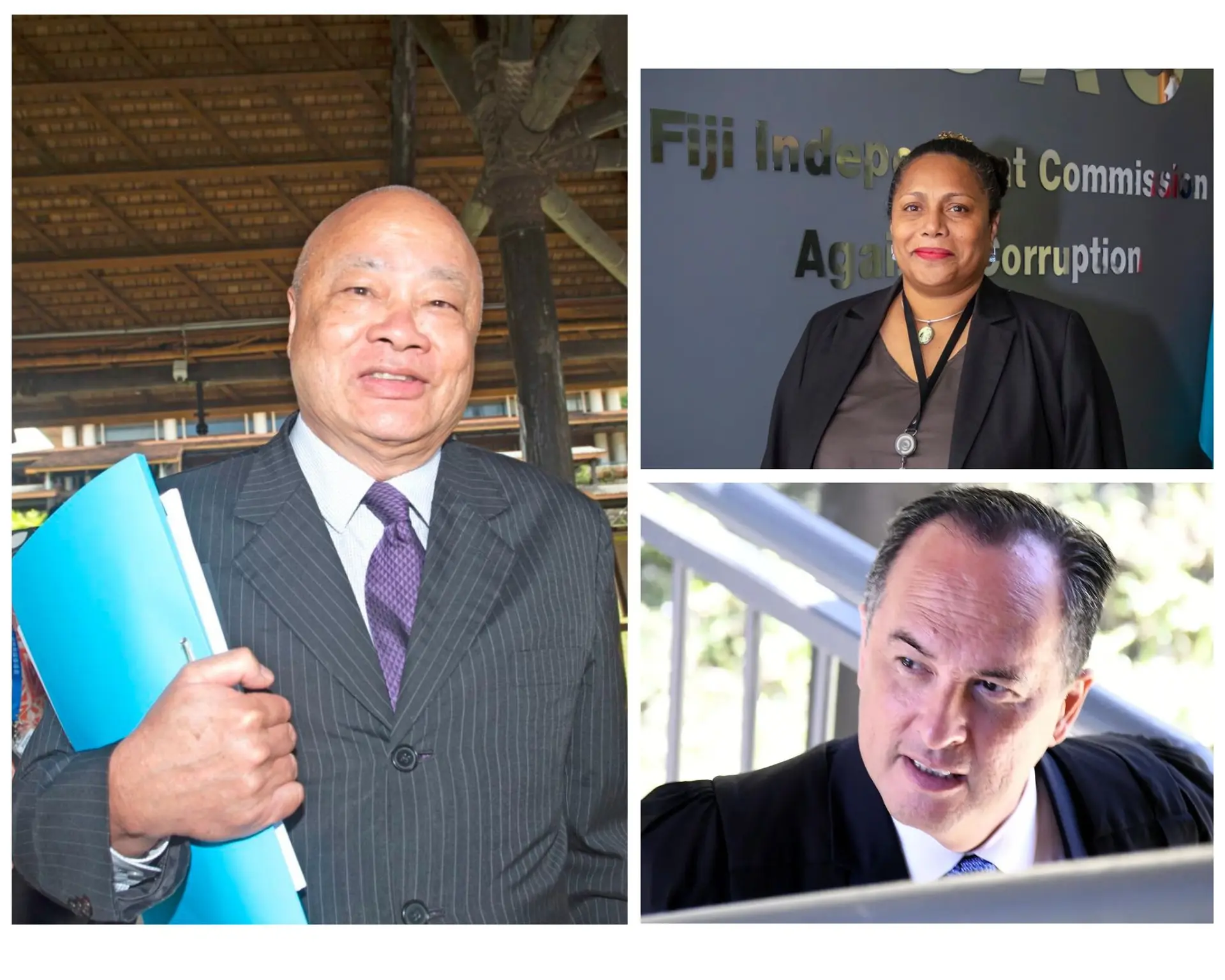
They include former Fiji Independent Commission Against Corruption (FICAC) Commissioner Barbara Malimali, former Attorney-General Graham Leung, Fiji Law Society president Wylie Clarke and former Fiji Law Society president Laurel Vaurasi.
As a result, the court declared the COI report null and void and set aside its recommendations in their entirety.
The matter has been adjourned to 25 Augus5, when the court will hear submissions on costs.
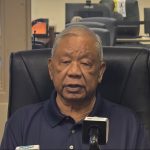
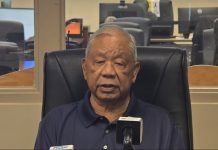
Meanwhile, former Attorney-General Graham Leung is taking a cautious approach to his next move as the State considers whether to appeal the High Court ruling in his favour and that of three other applicants.
“I haven’t had time to read the ruling, the State can appeal, so I have to be circumspect in what I say,” Leung said.
He thanked God, his legal team, family and supporters who stood by him throughout the ordeal.
Clarke and Vaurasi also thanked their supporters and lawyers for remaining steadfast in the case.
“The cost of this has been personal in the sense that there was uncertainty, knowing that there were people out there who said these things about you,” Mr Clarke said.
Government has yet to confirm whether it will appeal the ruling.
She said the impact of the dismissals went beyond employment, affecting reputations.
In another development, a court ruling that quashed adverse findings against several officials has reopened a bigger question: what happens to those who lost their jobs as a result of the Commission of Inquiry (CoI) process?
Counsel Tanya Waqanaika is now pressing the Judicial Service Commission (JSC) to act on the implications of the ruling, arguing that the findings against her client can no longer stand.
Waqanaika said her client’s position was that the court decision effectively rendered the Commission of Inquiry report null and void and raised serious questions over the constitutionality of dismissals linked to the process.
She said she met with the JSC last week to push for the commission to recognise the consequences of the court’s decision.
Correspondence was first sent to the JSC in January, when the commission had initially accepted the position before later rejecting it, she said.
“We wrote to them, and now they are doing it again,” Waqanaika said.
However, she stressed that her client was not seeking a simple return to her former position after the ordeal she had endured.
“There has been a lot that has happened,” she said.
Waqanaika said there was no concrete outcome from her latest meeting with the JSC, but maintained that the Government now had a responsibility to address the consequences of the court ruling.
“They have to do the right thing, especially now that it is an election year,” she said.
She said the impact of the dismissals went beyond employment, with the controversy affecting the reputations, careers and future prospects of those involved.
“Graham-Leung lost his job,” she said.
The court had found that the applicants were not afforded natural justice during the Commission of Inquiry process and subsequently quashed the adverse findings against them.
The ruling has now left the JSC and Government facing a difficult question; if the findings that led to the dismissals have been quashed, what should happen to the people whose careers were affected?
For Waqanaika, the issue is no longer simply about the original CoI findings, but about what the authorities do next.