
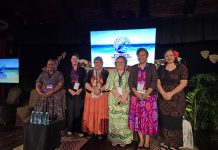
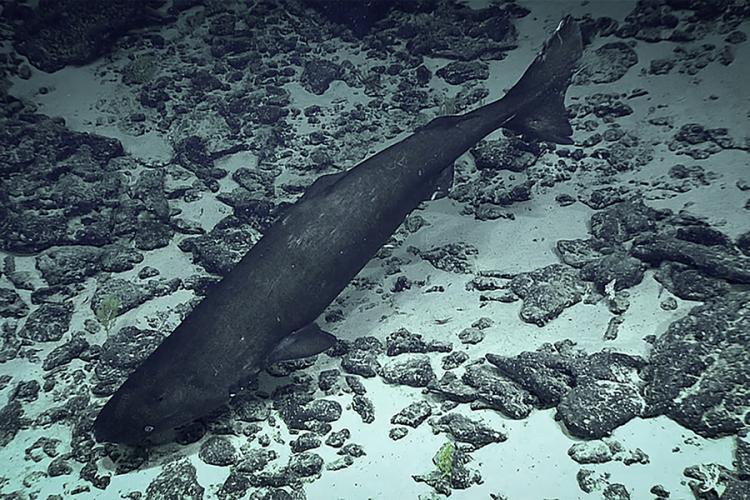
A landmark treaty to protect biodiversity on the high seas has entered into force, but scientists warn that much of the deep-sea life it seeks to conserve remains unknown.
The Biodiversity Beyond National Jurisdiction (BBNJ) Agreement, which entered into force earlier this year after being ratified by more than 60 states, establishes the first legally binding global framework for conserving and sustainably using marine biodiversity beyond national waters. But researchers say effective implementation depends on identifying and monitoring species that remain unknown to science.
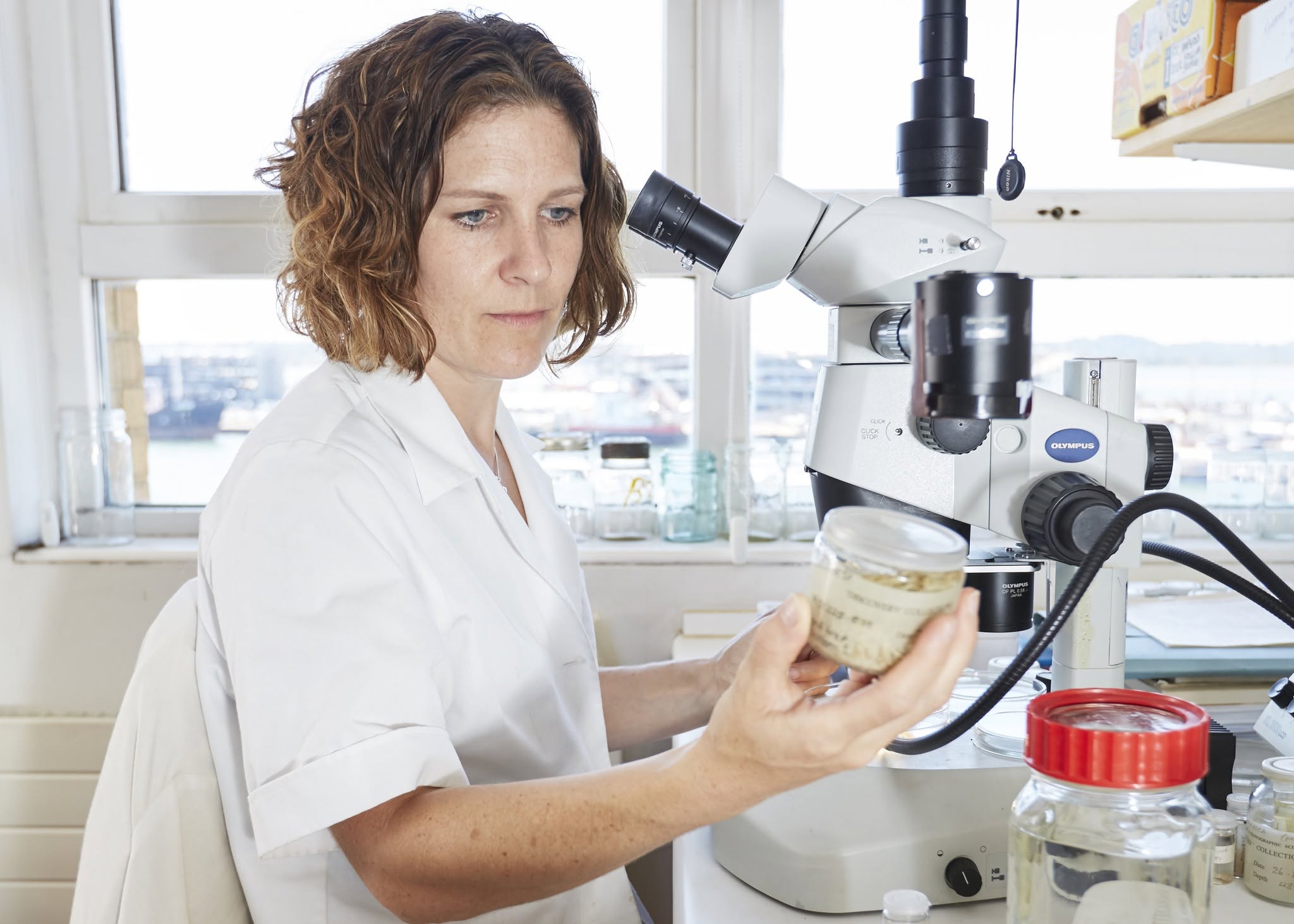
Speaking during a seminar on Taxonomy and Biodiversity in the Deep Sea, Research Scientist Dr Tammy Horton said identifying species is essential for measuring biodiversity, monitoring environmental change and assessing the impacts of human activities in the deep ocean.
“We need to be able to assess the damage, we need to be able to measure change in biodiversity as a result of these impacts, and we need to be able to monitor marine protected areas and monitor change in the deep sea, Horton said.
A study of the Pacific Ocean’s Clarion-Clipperton Zone (CCZ), a six-million-square-kilometre abyssal region where countries hold exploration contracts for polymetallic nodules, estimates it is home to between 6,000 and 8,000 species. Of those, more than 5,000 remain unnamed, while fewer than 500 have been formally described, leaving nearly 90 percent of the region’s biodiversity unknown to science.
She said that knowledge gap has significant implications for conservation and environmental management.
“We want to be able to manage this area. We want to be able to say how those impacts are happening. What is the impact of a nodule collector? If we can’t name them, we can’t compare the datasets,” she said.
Horton said taxonomy provides the baseline needed to determine what species are present, how ecosystems change over time and whether conservation measures or industrial activities, including deep-sea mining, are affecting biodiversity.
Formally describing a new species, however, is a lengthy process requiring detailed comparisons of physical characteristics, DNA analyses and publication under internationally recognised naming rules.
To help bridge that gap, scientists are developing temporary naming systems that allow researchers to consistently identify species and connect biodiversity records across international databases before formal descriptions are completed.
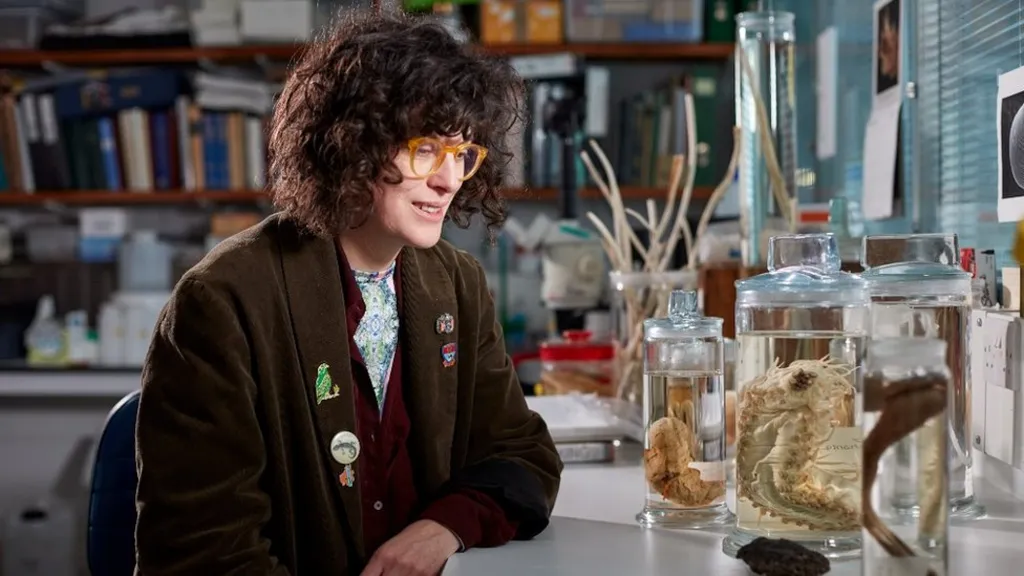
Dr Muriel Rabone, a researcher with the Natural History Museum’s Deep Sea Ecology and Systematics Group, said strengthening taxonomic knowledge and biodiversity data is becoming increasingly important as countries begin implementing the BBNJ Agreement.
“The key objective is the conservation and sustainable use of marine biological diversity of areas beyond national jurisdiction,” Rabone said.
She said the treaty introduces new transparency measures requiring researchers to notify planned deep-sea expeditions, assign unique identifiers to research cruises and marine genetic resources, and report how samples and data are used throughout the research process.
“The principles boil down to existing good scientific practice, so FAIR data—data that’s findable, accessible, interoperable and reusable—and that the samples are archived in a way that is clearly visible,” she said.
Rabone said the measures are designed to support fair and equitable sharing of benefits from marine genetic resources while improving transparency and international scientific collaboration.
For Pacific Island countries, including Fiji, the treaty complements existing biodiversity frameworks within national jurisdiction while creating opportunities for capacity building, technology transfer and participation in international marine research.
Rabone noted Fiji has undertaken “flagship work” in implementing access and benefit-sharing measures under the Nagoya Protocol, experience that could help inform implementation of the new treaty.
She said effective ocean governance ultimately depends on strengthening scientific knowledge.
“We need to iteratively improve knowledge of these deep-sea environments,” she said.
“Building that taxonomic knowledge base and then understanding that ecology, species ranges and species dispersal lead us to better understand what impacts may be of human activities on the seafloor or in the water column.
“For effective ocean policy, we really need to develop these knowledge systems and then put them into the process as well,” she said.