

In the Pacific, the triple planetary crisis, the interconnected threats of climate change, biodiversity loss and pollution pose a significant existential risk, and young Pacific people are disproportionately bearing the burden of the most severe impacts.
However, young Pacific people have led the charge in regional and global advocacy and activities, calling for strengthened policy and action to mobilise and develop solutions in response to the global crisis.
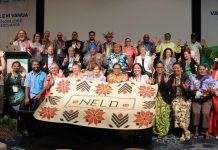
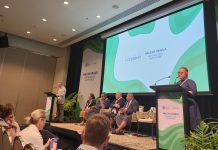
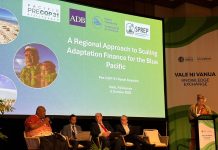
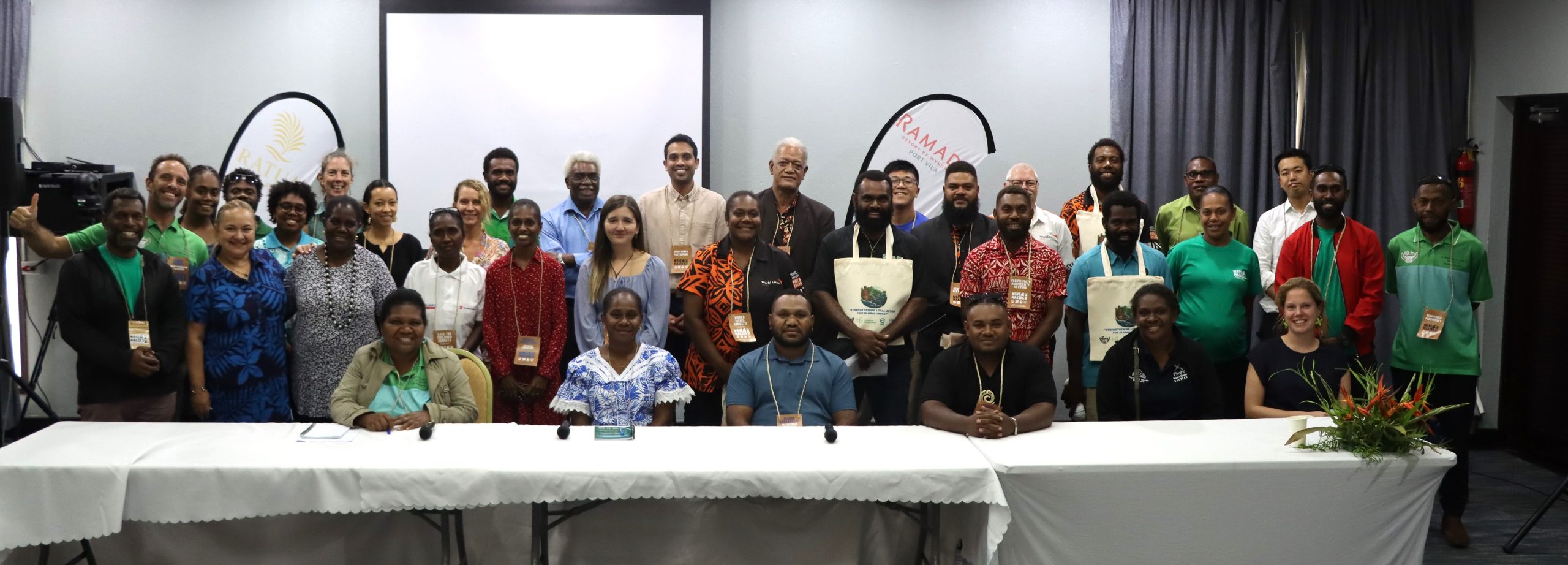
At the Pacific Innovation Forum on Climate and Environment (PIFCE) held in Port Vila, Vanuatu, from 1-3 July 2026, emerging Pacific leaders gathered to highlight their innovative solutions to address the interconnected crises.
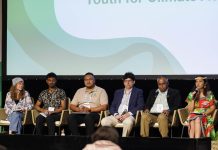
Through a side event aligned to the PIFCE theme of ‘Wave Makers driving innovation’, panel members shared about their experiences in national, regional and global engagements from across the three spheres of climate change, biodiversity loss and pollution, and identified common challenges and opportunities for collaboration.
Rodrick Holness, from the Solomon Islands Climate Action Network (SICAN) and a member of the Pacific Islands Students Fighting Climate Change (PISFCC) who spearheaded the initiative at the United Nations International Court of Justice (ICJ) to define legal obligations around climate change spoke to the power of young Pacific people to drive change.
“Our young people are living through the realities of the triple planetary crisis. We have adapted, sought solutions and shown resilience in the face of the mounting challenges in our island homes.”
“With adequate support, capacity building, and genuine and meaningful engagement, young Pacific people have the power to bring about change.”
“This has been demonstrated through the many national and regional youth-led initiatives targeting climate change, biodiversity and waste management.”
“Additionally, Pacific youth have shown leadership on the global stage, where our voices have risen above the waves to be heard alongside those who shape the decisions that define our future.”
Chloé Wilson from the National University of Vanuatu shared about her work in building climate resilience through Nature-based Solutions to build resilient communities.
“Leadership starts from within; to approach the interconnected threats of the triple planetary crisis we should care about these issues. For pollution it starts with the small steps, how you dispose of your litter and manage your waste at home.”
“The same goes for the other issues, we must care about our local biodiversity and the impacts of climate change on us. When we have that, we can develop meaningful, context specific solutions that builds resilient communities. That’s where leadership starts.”
Speaking to his research on Waste-to-Energy Adoption at the University of Papua New Guinea, Freddy Lakera shared about the feasibility of waste-to-energy technologies and the development of a pilot biogas system that converts organic waste into clean energy.
Lakera’s work is a practical example of how innovative, locally driven solutions can contribute to addressing the waste dimension of the triple planetary crisis while also supporting clean energy, climate action, and sustainable development in the Pacific.
“I believe innovation, research, and collaboration are essential to building a more sustainable and resilient Pacific, and I am committed to bridging the gap between research, policy, and practical implementation to create lasting environmental and social impact for our communities”, he said.
Prior to the PIFCE, Wilson and Lakera also participated in the ClimateTech Hackathon, a platform for university students to develop and collaborate on innovative solutions to regional climate challenges that were pitched at the Forum.
SPREP Climate Change Resilience Programme Director, Tagaloa Cooper commended the panel members on their work, and she put a challenge to young Pacific people to work collaboratively across climate change, biodiversity loss and pollution.
“Sometimes we are tempted to remain within our own areas of our work, but I encourage you to remember that the different dimensions of this global crisis are deeply interconnected. A change in one sphere inevitably affects the others. Most importantly, these impacts are felt most strongly by the most vulnerable in our communities, elderly, women, young people and children.”
“As you strive to find that common ground, SPREP stands by ready to support and empower our young Pacific people working to build a resilient Pacific in the face of the countless challenges it faces today.”
The side event was co-hosted by SPREP, NBSAP Accelerator Partnership, United Nations Environment Programme and the Vanuatu Department of Environmental Protection and Conservation, and Rolenas Baelereo was the moderator.
The engagement of young Pacific people at PIFCE showed they are more than emerging leaders; they are the Pacific’s Wave Makers. As a new generation of innovators, their experiences and ideas have the power to create lasting ripples of change across the region and drive effective responses to the global triple planetary crisis.