

Traditional knowledge, communal support systems and customary governance structures are helping coastal communities in Fiji adapt to the growing impacts of climate change on fisheries, according to new research conducted in Ra Province.
The study, led by researchers Dr Sangeeta Magnubhai and Dr Salanieta Kitolelei, found that indigenous knowledge and community-based practices continue to play a critical role in strengthening resilience as rising temperatures, stronger cyclones and changing marine ecosystems place increasing pressure on fisheries and food security.
“We know that climate change is affecting ecosystems and fisheries all over the world with acute impacts expected in small-scale fisheries, particularly in the tropics,” Dr Magnubhai said.
She said climate change is affecting fisheries through multiple pathways, including warming ocean temperatures, coral bleaching and more intense cyclones that damage marine habitats and alter fish populations.
“As we move towards what I consider this uncertain future or unpredictable future of turbulent times, there is a need for all sectors, and that includes the fisheries sector, to be really thinking about how it would integrate and consider these climate impacts, and how do we actually build resilience in the fisheries that we have.”
The research focused on three coastal communities in the Nakorotubu district of Ra, where researchers worked with villagers to understand how climate change is affecting fisheries and identify the factors that help communities adapt.
A key finding was the continued relevance of indigenous knowledge systems, including traditional calendars, farming practices and environmental indicators that communities have relied on for generations.
Dr Kitolelei said local knowledge remains an important tool for preparedness and adaptation.
“Indigenous knowledge of our people, it’s practical knowledge because it’s practiced, and also it’s used for adapting,’ she said.
In many communities, traditional practices such as planting yams and sweet potatoes before cyclone season continue to provide a reliable food source when storms damage crops. Villagers also maintain knowledge of caves historically used as evacuation sites, some of which were used again during Tropical Cyclone Winston in 2016 when access to formal evacuation centres became difficult.
Researchers found that resilience is also deeply rooted in communal values and collective action.
“One thing I like to highlight is the inherent resilience in the people. It’s inbuilt into the system of the iTaukei people,” Dr Kitolelei said.
“How they respond to disasters, they respond communally through solesolevaki.”
The study highlighted how families, neighbours, village networks and relatives living in urban centres or overseas provide support during times of crisis, helping communities recover more quickly from disasters.
The research also documented how local fishers are observing environmental changes linked to climate change, including shifting rainfall patterns, rising temperatures and changes in the distribution of marine species.
In some areas, fishers reported seeing species appear in locations where they were previously uncommon, while traditional indicators such as flowering and fruiting seasons have become less predictable.
“A lot of people say it’s becoming redundant. But an important thing to note is we need to document it, document the changes so that that change can inform the climate change impacts in the future,” Dr Kitolelei said.
The researchers also found that major climate-related disasters can accelerate adaptation.
Communities in Ra reported changing their preparedness measures following Cyclone Winston, including paying closer attention to weather warnings, reviving traditional food security practices and strengthening community disaster planning.
Dr Magnubhai said these experiences demonstrated how severe climate events can drive communities to adopt new approaches more rapidly than gradual environmental changes alone.
“It seems like when there are these big events, which is when it creates this kind of accelerated adaptation,” she said.
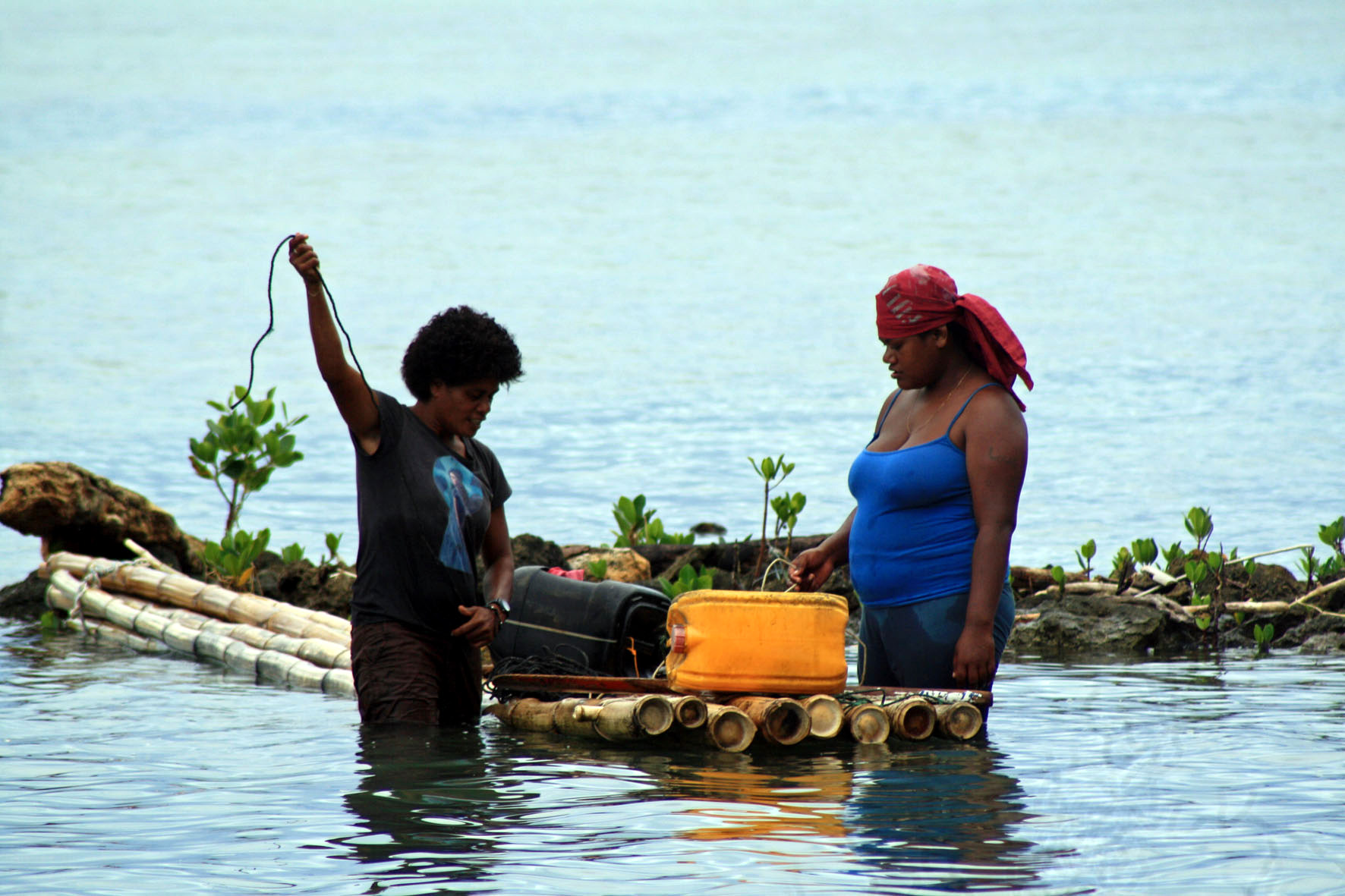
The study further challenged common perceptions about vulnerability, particularly regarding women involved in fisheries.
Researchers found that women play a significant role in coastal fisheries, food security and environmental stewardship, while actively contributing to community resilience and adaptation efforts.
“We didn’t really like this sort of language of seeing women as kind of victims and vulnerable when actually, when you actually listen to what they do in communities, how they respond, what knowledge they draw on, they’re not at all,” Dr Magnubhai said.
“So, there’s a level of agency that they have that we need to kind of be thinking about and be careful about how do we frame them.”
The findings suggest that future efforts to strengthen climate resilience in Fiji’s fisheries should build on existing local knowledge, governance systems and community networks rather than relying solely on external solutions.
For the researchers, listening to communities remains central to that process.
“You need to learn from the people before you are able to address whatever problems they’re facing and not reduce their resiliency,” Dr Kitolelei said.