

Fiji’s Parliament has unanimously approved the ratification of the agreement to establish the Pacific Resilience Facility (PRF) Wednesday, marking a significant step toward strengthening regional climate and disaster financing.
Moving the motion, Minister for Justice and Acting Attorney-General Siromi Turaga said the PRF would serve as “a Pacific-led international financial institution that will provide grant-based financing to support climate change adaptation, disaster preparedness, and community resilience initiatives across the Pacific island countries.”
He noted that the facility responds to long-standing barriers faced by Pacific nations in accessing global climate finance, describing it as “the first Pacific-owned regional financing mechanism, designed to deliver simplified and accessible funding, particularly for community-based resilience and sustainable development initiatives.”
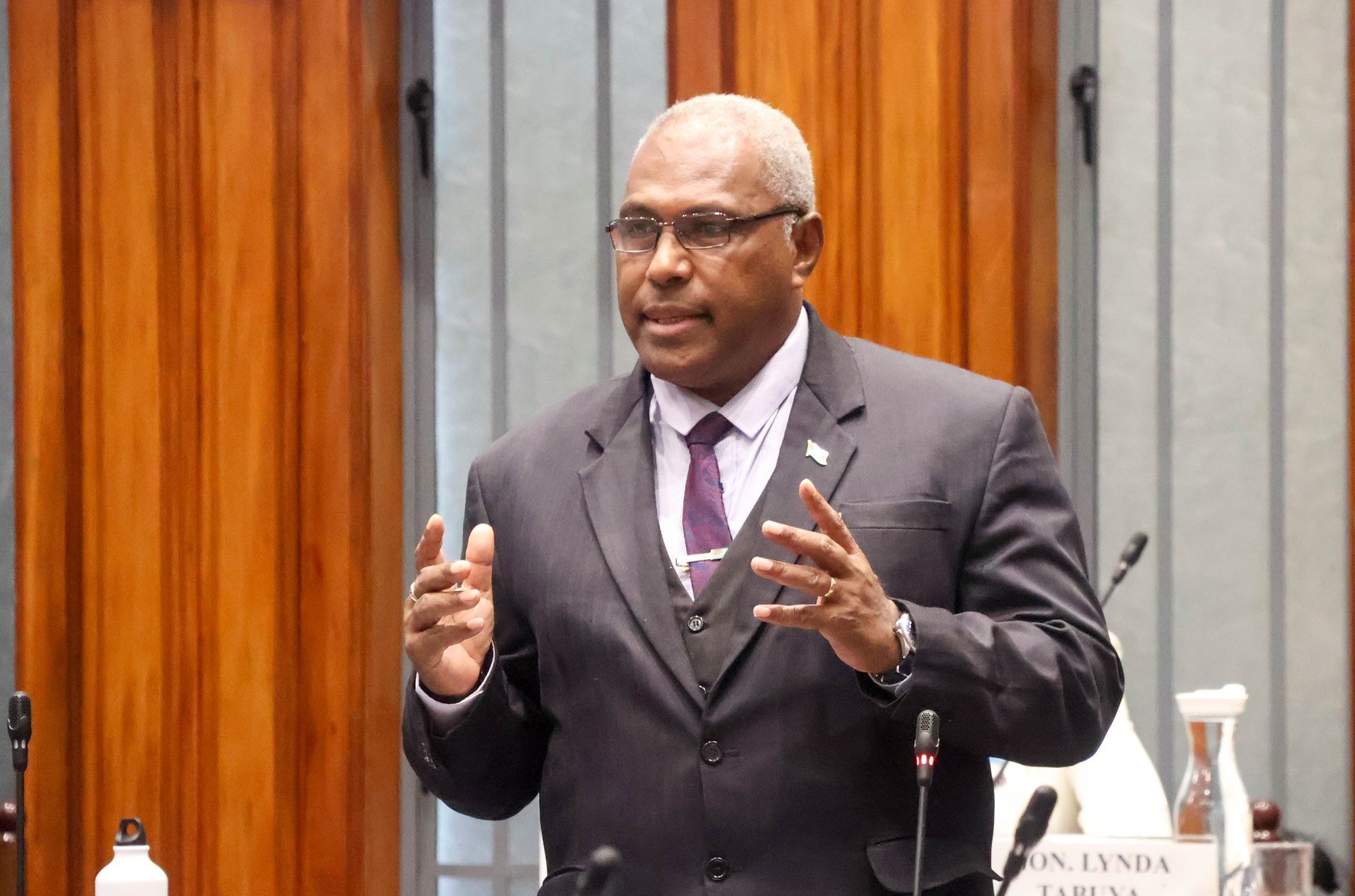
Turaga highlighted that the PRF would provide grants rather than loans, ensuring that “Pacific Island countries are not burdened with additional debt and that assistance reaches communities most affected by climate and disaster risk.”
The agreement was signed during the 54th Pacific Islands Forum Leaders’ Meeting in September 2025 in Honiara, Solomon Islands with Fiji represented by Prime Minister Sitiveni Rabuka. The facility will be headquartered in Nuku’alofa, Tonga, and will operate as an international organisation with full legal capacity.
Supporting the motion, Minister for Rural and Maritime Development and Disaster Management Mosese Bulitavu said the initiative reflects the urgent realities faced by Pacific communities.
“This is an important regional initiative because it responds directly to the realities of our communities who face stronger cyclones, flooding, coastal erosion, prolonged droughts, and the growing social and economic pressures that come with climate change,” he said.
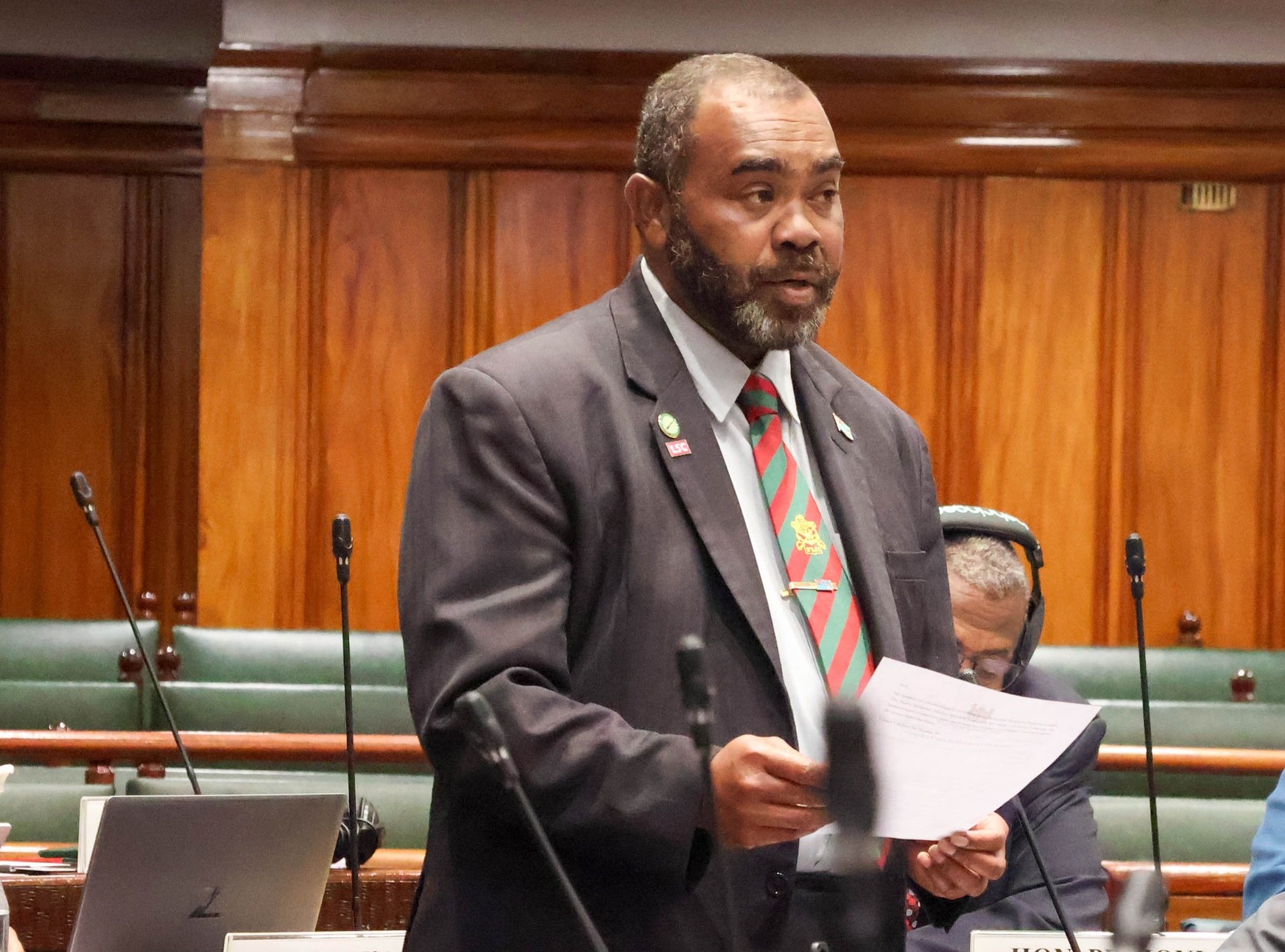
Bulitavu highlighted that the PRF would simplify access to funding and deliver practical solutions on the ground, including “stronger seawalls, better drainage, improved preparedness systems, ecosystem restoration, and practical adaptation measures.”
Opposition MP Virendra Lal also backed the ratification, saying the facility has the potential to “strengthen Pacific-led resilience and self-determination” while improving access to grants and supporting national development priorities.
He added that participation would not expose Fiji to financial liability, noting that “membership explicitly excludes any financial or legal liability for the PRF’s acts, omissions, or debts.”
Prime Minister Sitiveni Rabuka described the PRF as “a Pacific design instrument for the Pacific,” stressing that it reflects regional efforts to address climate challenges collectively.
“It is about the Pacific getting ready for Pacific problems brought about by climate change. We have to be able to work out what is best for the Pacific and be ready for that,” Rabuka said.
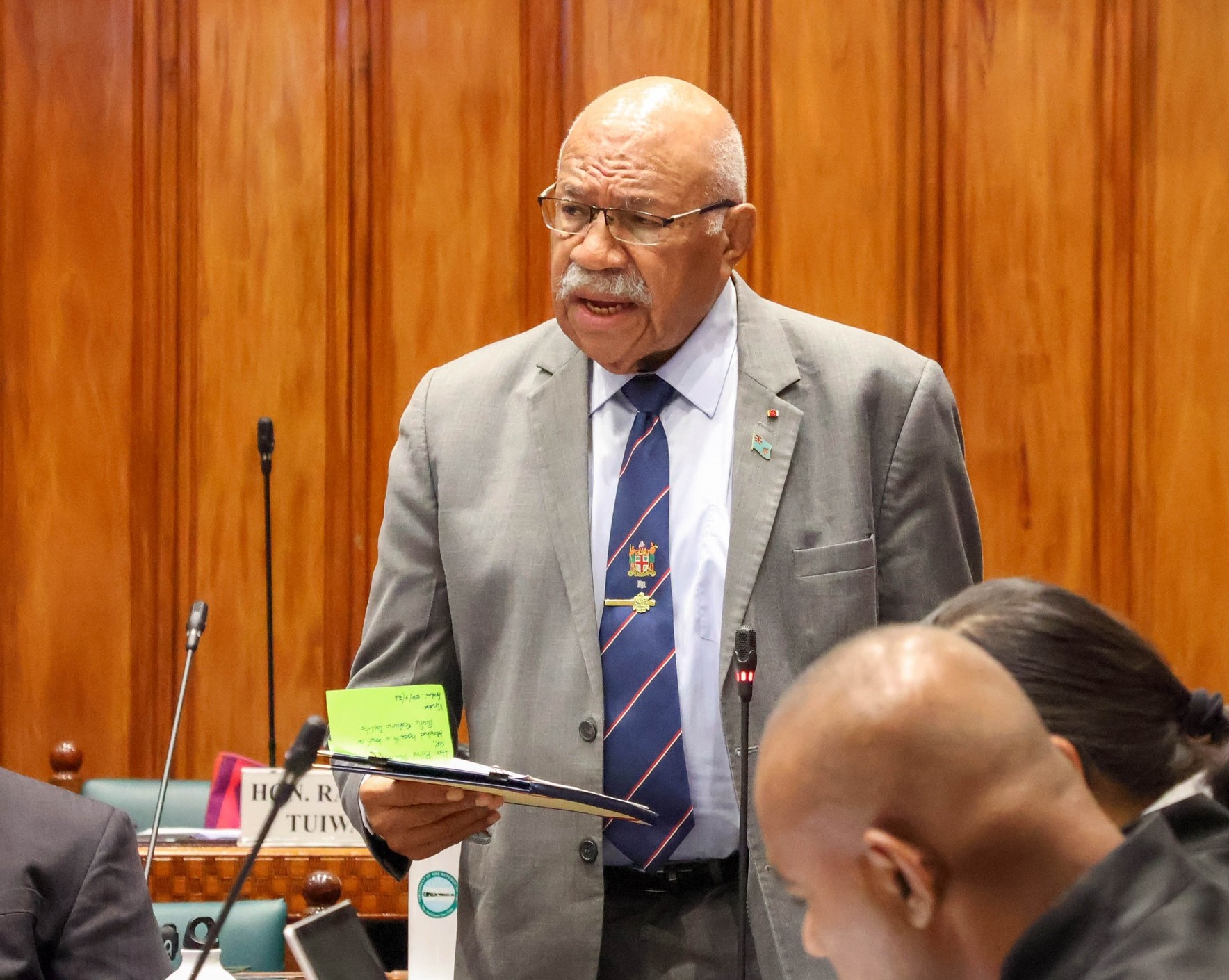
He underscored the need for practical solutions, warning that climate change impacts may force difficult decisions, including the relocation of vulnerable communities.
Member of Parliament Rinesh Sharma said the facility represents a turning point for the region, declaring that “the wait is over” for accessible climate finance.
“The PRF is designed differently. It doesn’t lend, it grants. Not a single dollar of the PRF money will add to our sovereign debt,” he said, adding that it would deliver “small, fast, accessible grants” directly to communities and small businesses.
Deputy Speaker and Assistant Minister for Foreign Affairs Lenora Qereqeretabua said the facility would address persistent barriers to climate finance, including “complex application processes, lengthy approval timelines, [and] capacity constraints.”
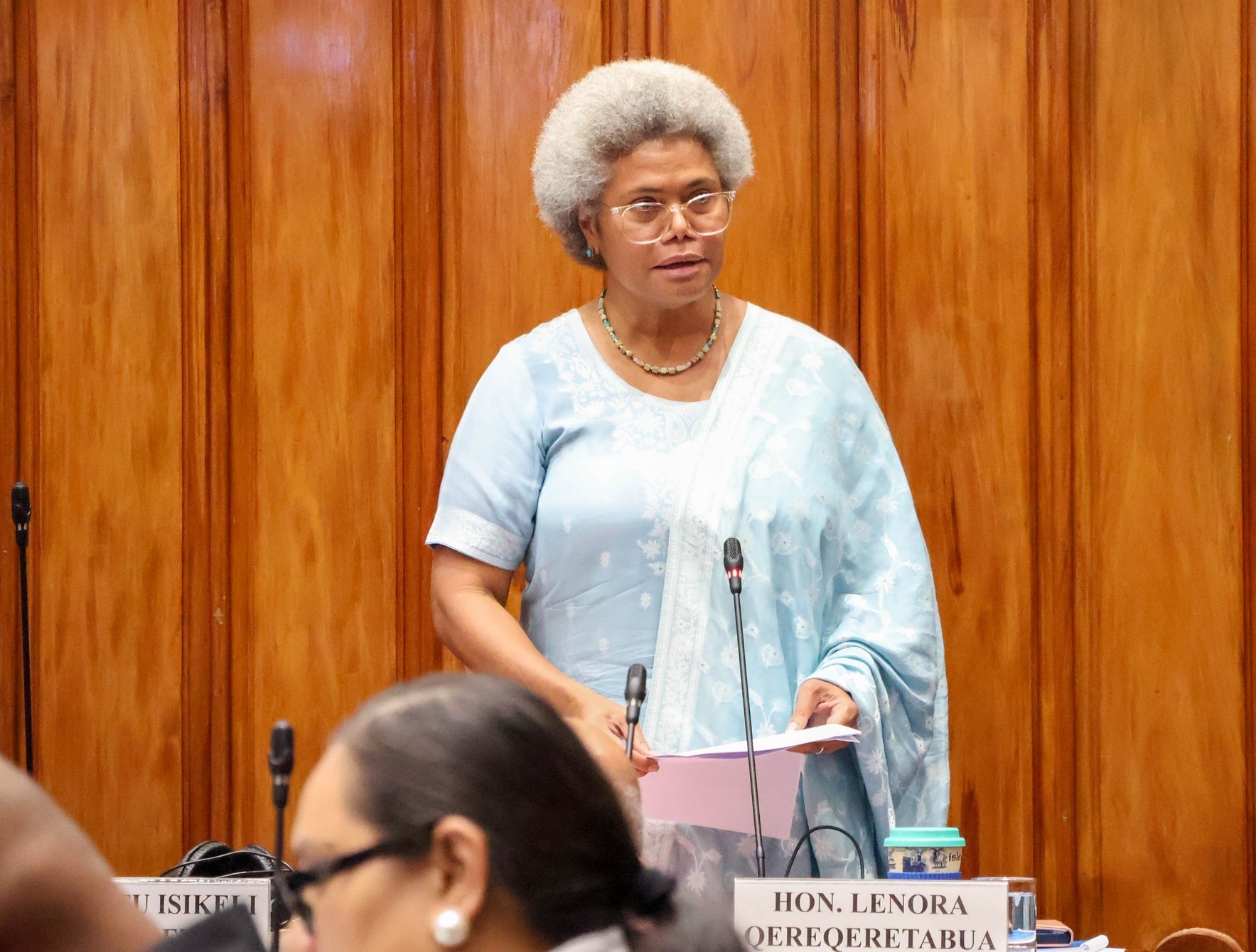
She warned that failing to ratify would risk Fiji being excluded from shaping the institution, stressing that participation is key to influencing funding priorities.
Assistant Minister for Health Penioni Ravunawa described the PRF as “a commitment to our people, to our region, and to future generations,” urging swift action in the face of escalating climate threats.
Minister for Public Works Ro Filipe Tuisawau said the facility would play a critical role in supporting resilient infrastructure, including water systems, roads, and energy networks.
“The PRF is a practical way of moving forward… a climate financing facility which is flexible and accessible to our Pacific Islands,” he said.
The agreement will come into force once it is ratified by at least seven member countries and the host country, Tonga. Fiji’s ratification positions it to access the facility’s funding while contributing to a Pacific-led solution to climate resilience.