

Expensive groceries, rising fuel prices, and frequent electricity outages are the primary concerns for Niuean voters as they prepare to head to the polls on 02 May.
Niue, with a population of less than 2000 people, has been self-governing in free association with New Zealand since 1974.
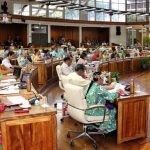
Voters will decide the makeup of the 20 member Legislative Assembly, choosing six common roll members and 14 village representatives.
Competition is fierce for the common roll seats, where 18 candidates are vying for just six positions.
In four villages, Alofi North, Hakupu, Namuku, and Waia, candidates have already been elected unopposed, while the remaining 10 villages will head to the polls.
At the heart of the campaign is the rising cost of living, which voters say is now part of daily life on the island.
Speaking on Pacific Mornings, Inagaro Vakaafi from PMN Niue, says economic pressure is the main concern.
“For many voters, it comes back to the day-to-day. The cost of living, that’s a big thing. If you travel to Niue, the cost of goods is high but the salaries… don’t compare,” Vakaafi said.
“There’s freight costs, food prices and now the recent fuel crisis. Then we’ve got the utilities on the island with frequent power cuts.
“The most immediate concern would be Niue remaining economically resilient and being able to support itself in the years ahead.”
Vakaafi’s comments reflect concern across the island where global price pressures are hitting small, remote communities harder than most.
According to the Niue Statistics Office, the Consumer Price Index (CPI) reached 131.6 points in the March 2026 quarter, with annual inflation at 2.80 per ent.
Food prices rose sharply, with a 3.47 per cent increase in the food index over the quarter.
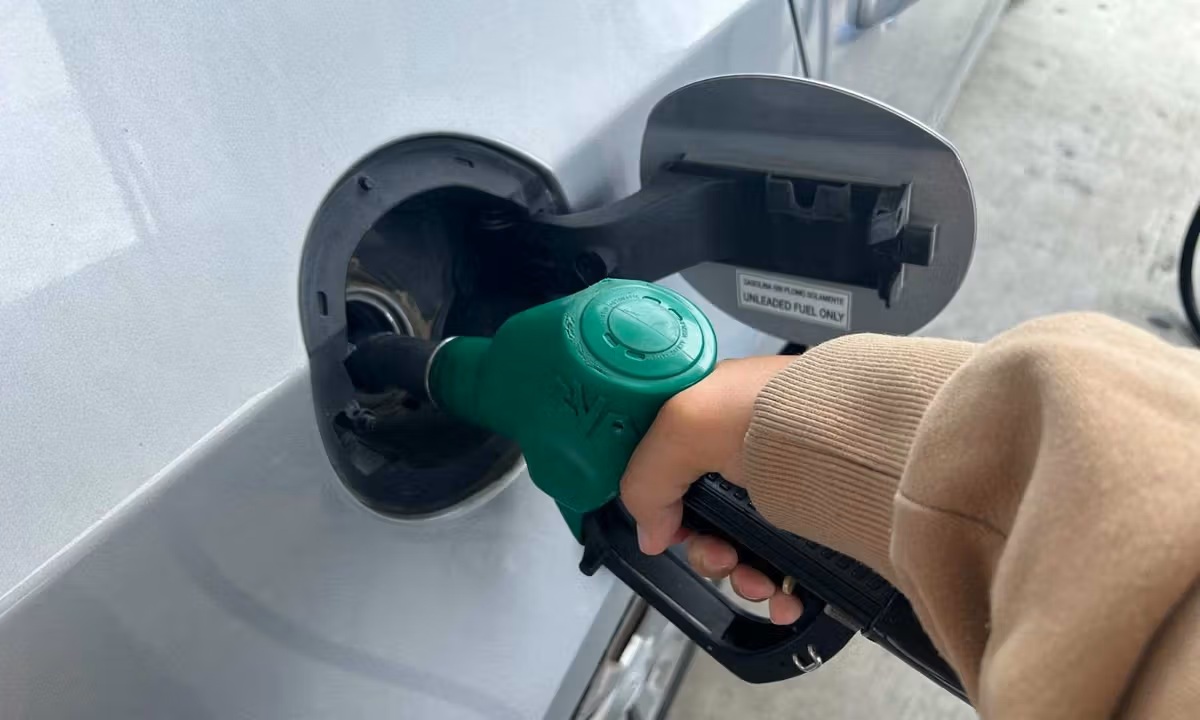
This pressure was compounded on 06 April 2026, when petrol prices rose to NZ$3.80(US$2.23) per litre while diesel reached NZ$4.00(US$2.35) per litre.
In a Facebook post, the Niue government says it held prices steady for six months to support households, but the adjustment was necessary to ensure supply stability.
Meanwhile, Vakaafi says the political mood on the island is active with campaigning taking place through village meetings where candidates are directly questioned by voters.
Vakaafi also says the outcome is far from certain, including for current Prime Minister Dalton Tagelagi.
“We don’t have a party system so it comes down to your ability to provide or offer something to the other 19 members to convince them to nominate you as the prime minister,” she says.
“[Tagelagi] has had two terms in government as the leader of the country to show what he can offer. But there are a lot of contenders and at this moment, I can’t say for sure whether anyone is safe.”
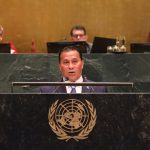
Tagelagi, who has led the country since June 2020, is contesting his village seat of Alofi South. He has acknowledged the challenges facing Niue.
Speaking on PMN, Tagelagi said this term would likely be his final one described it as an “implementation phase” for major infrastructure projects delayed by Covid-19.
These projects include a new justice building in Alofi, supported by New Zealand, set to begin construction in mid-2027.
Tagelagi also confirmed a $9 million (US$5.28 million) Asian Development Bank (ADB) project to expand aged care into a retirement village. Feasibility studies continue for wharf upgrades and a disaster response warehouse.
“New Zealand has supported our shortfall of the deficit from last year, the same as the year before,” the prime minister said.
These are not easy negotiations and discussions, but I’m pleased that we got to the point that they understand our position and especially our isolation.”
As election day approaches, voters in Niue are weighing immediate pressures against long-term promises, with cost of living at the centre of a closely watched political contest.