


By Jake Hamstra
The Pacific’s energy crisis isn’t just economic – it’s a geopolitical opening that outside powers will be competing to fill.
Spiking global oil prices and shipping insurance costs threaten to create a connectivity crisis for the Pacific Islands region. Higher fuel and freight rates will make shipping and aviation more expensive and less frequent, undermining the transport links that underpin trade, tourism and public services.
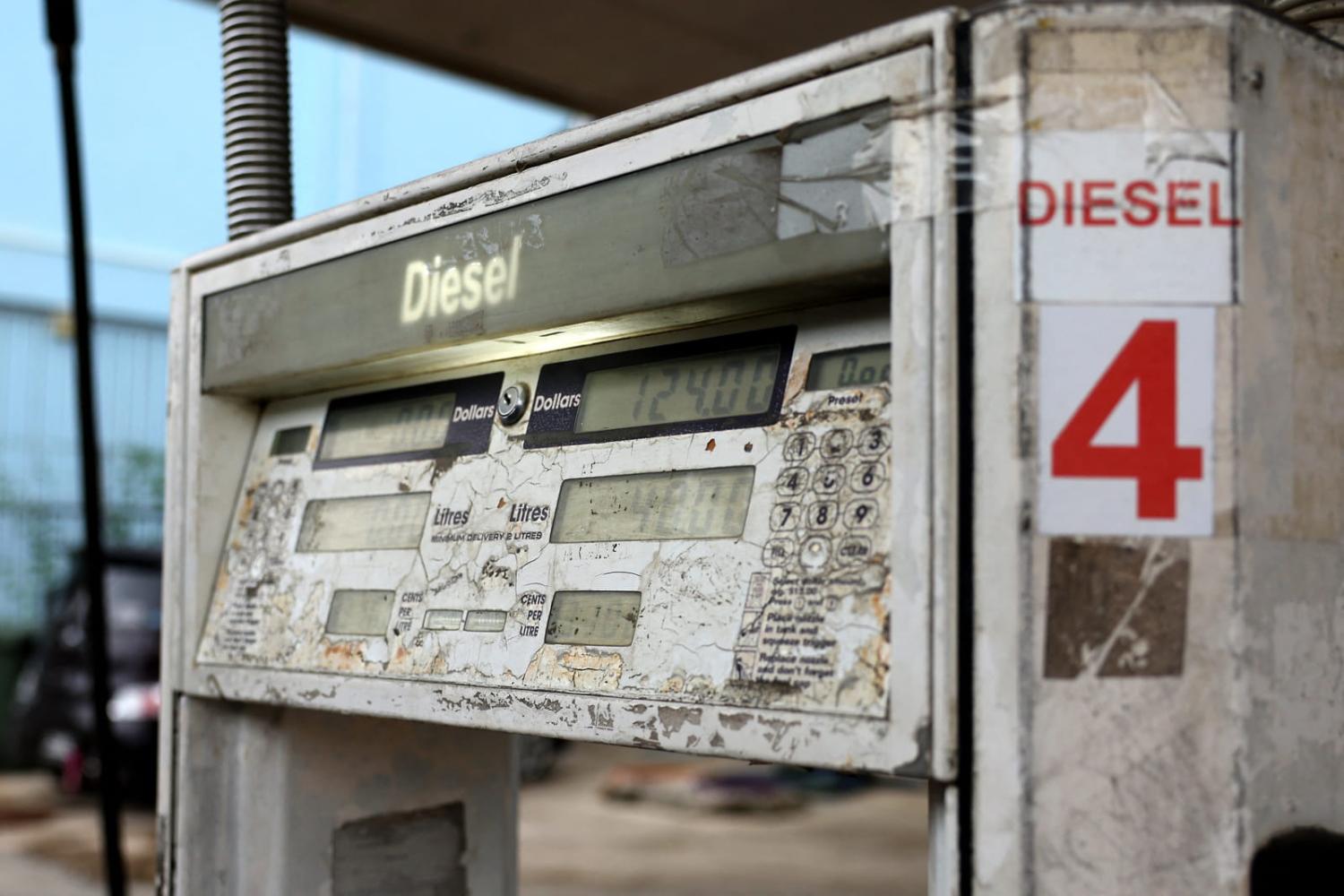
This will be felt in day-to-day life. Pacific economies rely heavily on imported fuel and long‑distance transport, with about 80% of their energy supply and most electricity generation coming from petroleum products. When oil and insurance costs rise, so do food and transport prices, utility charges, and the cost of all imported goods.
The fiscal consequences could be severe. Small governments with narrow tax bases have limited room to absorb cost spikes and raise spending. Households already face high living costs, and rising prices for food, fuel, electricity, and transport are already triggering demands for relief measures. Governments may respond by cutting fuel taxes, subsidising utilities or delaying tariff adjustments – all of which would push costs onto public finances or state‑owned utilities. With imported fuels already costing Pacific Island states more than US$6 billion a year and net fuel imports averaging 5-15 percent of GDP, even a modest sustained oil‑price increase will worsen trade deficits and strain budgets.
The politics of the region will also become more fragile as the shock persists. Higher food, transport, and utility costs risk eroding public support for governments, especially in countries where leaders have promised to improve living standards. In tourism‑dependent Palau, Samoa, Tonga and Vanuatu, a prolonged fall in visitor numbers could destabilise budgets and undermine public‑sector wages. In Papua New Guinea, higher oil prices will boost export revenues but also exacerbate foreign‑exchange shortages and long‑standing structural weaknesses.
Already the Marshall Islands has declared a 90-day economic emergency. But the oil shock will not be limited to a short burst of inflation. Fuel imports account for 16-24 percent of the total imports of Fiji, Samoa, Tonga, Vanuatu, Palau, the Solomon Islands and Kiribati. The more fuel‑dependent an economy is, the more exposed it is to higher crude and freight costs. Even the most diversified Pacific economies, such as Fiji, will still face higher power and transport costs. Smaller states such as Samoa, Tonga, Vanuatu and Palau are likely to face fewer flights and more expensive shipping.
What makes the oil shock particularly damaging is the way it is transmitting through connectivity. Higher jet‑fuel prices translate into more expensive airfares and thinner flight schedules, eroding tourism receipts. Pacific tourism depends almost entirely on air travel and tourism generates a major proportion of GDP in Fiji (26 percent), Samoa (25 percent), Tonga (11 percent), Vanuatu (23 percent) and Palau (38 percent). If flights become scarcer or more expensive, these tourism‑dependent economies will suffer deeper and longer‑lasting downturns. Domestic mobility will also be severely affected as inter‑island shipping firms cut sailings or raise freight rates.
These factors will also make it harder for Pacific governments to combat the existential threat that climate change poses to the region. According to IMF estimates, Pacific countries need infrastructure investment of around US$1 billion a year for climate change adaptation. By increasing economic and fiscal strain, higher oil prices illustrate how fossil-fuel dependence and climate change are compounding vulnerabilities.
Geopolitically, a prolonged energy crunch would deepen Pacific states’ dependence on external partners. As budgets come under pressure, governments will look to Australia, New Zealand, the United States, China, Japan and multilateral lenders for budget support, emergency fuel supplies, concessional finance for infrastructure, and assistance to accelerate renewable‑energy projects. The region’s strategic value has already attracted heightened competition among these powers, and higher energy stress will only widen opportunities for influence. External support could help to finance renewable‑energy transitions and improve inter‑island connectivity, but it could also intensify rivalries if aid and loans are tied to broader geostrategic goals.
The risk is that elevated oil and freight prices will produce a permanent connectivity shock. This would keep inflation high, erode real incomes, and force governments into uncomfortable trade‑offs between fiscal sustainability and political stability. Yet persistent high fuel costs could also accelerate investment in renewables and more efficient shipping and aviation. They strengthen the case for renewable energy, food security, and resilient infrastructure to be central to economic policy rather than treated as separate climate agendas.
Such transitions will take years. Until then, the Pacific islands face not just an energy shock but a comprehensive disruption of the transport and utilities that sustain their economies.