


The world is “almost inevitably” set to surpass the 1.5°C global warming limit unless countries urgently ramp up emissions cuts and strengthen adaptation, the Intergovernmental Panel on Climate Change (IPCC) Chair, Professor Jim Skea, has warned.
In a video message to delegates at the opening of COP30 in Belém, Brazil, Skea congratulated the host country and city for hosting the first UN Climate Change Conference in Brazil since the historic 1992 Earth Summit in Rio de Janeiro.
“The ‘Rio Conventions’ stand as a testament to a global commitment to tackling environmental and development issues,” he said. “Since then, the challenges posed by climate change to both human and natural systems have become more acute and more evident.”
Citing the World Meteorological Organisation, Skea noted that “2024 was the warmest year on record, reaching 1.55 degrees Celsius above preindustrial levels.”
Despite progress under the Paris Agreement, he said, “even if countries fully implement their Nationally Determined Contributions, global temperatures could still rise by 2.3 to 2.5 degrees Celsius this century.”
This alarming forecast follows the “insufficient climate action over the last few years, and the consequent continued increase in greenhouse gas emissions.”
However, Skea maintained that it is still possible to bring global warming back down to 1.5°C by the end of the century, but only through “immediate, deep and sustained reductions in carbon dioxide emissions, as well as the removal of substantial amounts of carbon dioxide from the atmosphere.”
He revealed that IPCC member governments recently agreed on the e scientific content for a 2027 Methodology Report on Carbon Dioxide Removal Technologies, Carbon Capture Utilisation and Storage, which will form part of the panel’s seventh assessment cycle.
“For the first time in IPCC history, we will have chapters on adaptation finance and responses to losses and damages,” he said, adding that the upcoming report will place greater emphasis on climate resilience and adaptation.
“We have agency over our collective future. We have the know-how, the resources, and the tools to address the climate change challenge. The many adaptation and mitigation options identified in our reports can be implemented right now.”
Setting the tone for COP30, Skea said the IPCC would continue to deliver “clear, authoritative, timely and actionable” scientific findings to support the UNFCCC process.
“The key findings of our reports are durable. And I wish you all fruitful and constructive discussions in Belém.”
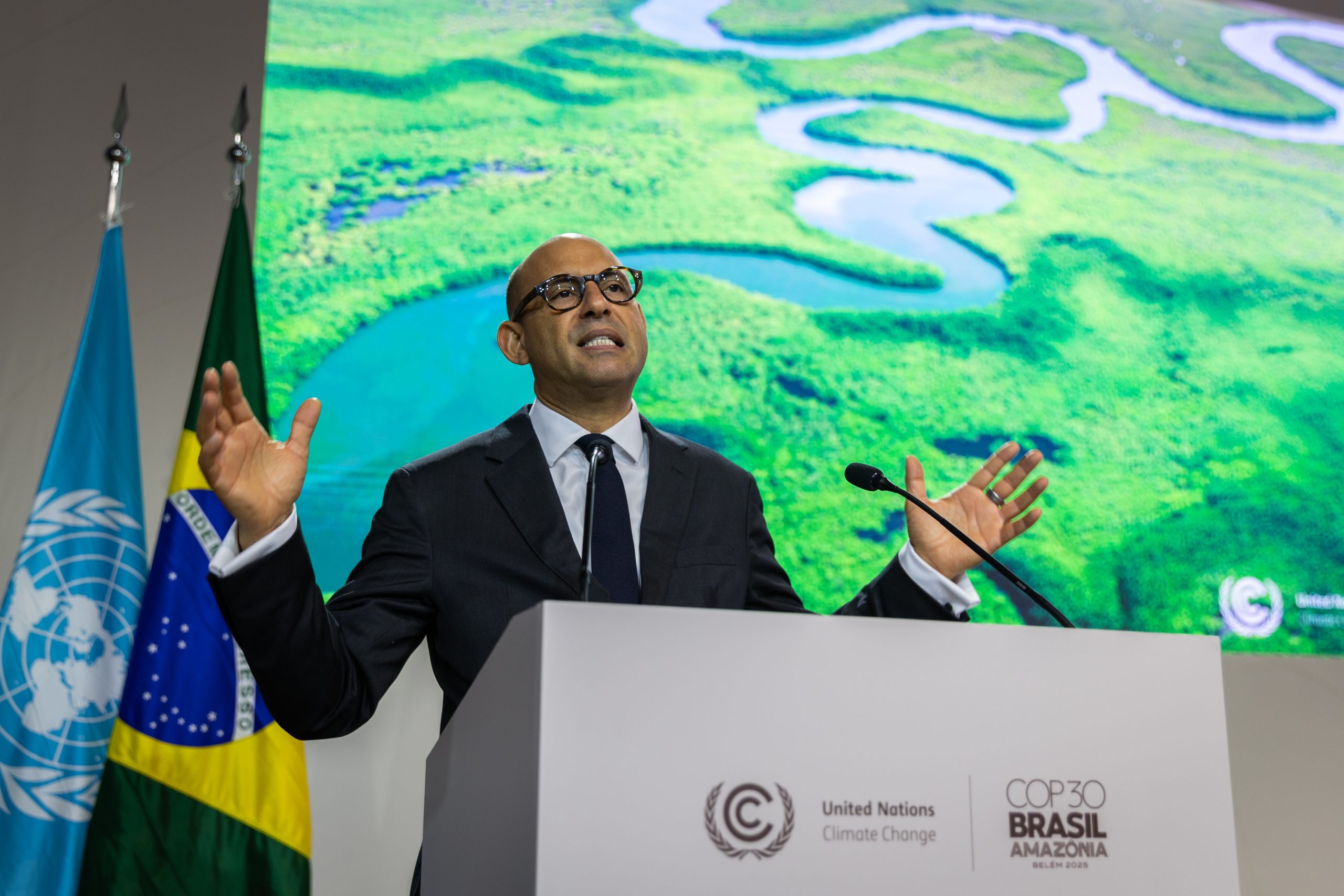
UN Climate Change Executive Secretary Simon Stiell opened the conference with a rallying call for urgency and unity.
Declaring himself “determined” to deliver a COP that drives real progress, Stiell told delegates, “COP30 President André Corrêa do Lago and I, and all our teams, are determined to have a COP that takes another major step forward.”
He said the conference had begun on a strong footing after an all-night negotiation secured the adoption of the official agenda.
“I spoke about solutions and the need for speed, so this is a very good start,” he said.
Highlighting new data on Nationally Determined Contributions, Stiell said updated commitments could reduce emissions by 12 percent by 2035, a milestone he described as “a big deal.”
“Every fraction of a degree of heating avoided will save millions of lives and billions of dollars in climate damage.”
Stiell noted that market trends are increasingly driving climate progress.
“Renewables are now cheaper than 90 percent of all fossil fuels. That’s why renewables have overtaken fossil fuels in investment and overtook coal this year as the world’s top energy source.”
But he cautioned that the current pace of action remains inadequate.
“Global heating is already dealing some devastating blows in every country,” Stiell said, pointing to “super-typhoons blasting the Philippines and Vietnam and the brutality of Hurricane Melissa crushing lives and businesses.”
As COP30 unfolds, Stiell reminded delegates that the process must remain centred on people.
“This COP process is ultimately all about people,” he said. “People who may not follow every negotiation, but who feel the consequences – in food prices, insurance costs, and energy bills that rise with every drought, flood, storm, and heatwave.”
He stressed that climate justice and fairness must guide every outcome: “We will only win the fight against the climate crisis if all people in all nations can get a fair piece of the epic benefits.”
Stiell urged countries to move quickly and decisively.
“There’s hard work ahead. The stakes are high. But I’ll be working side by side with the COP President to deliver the best outcome possible. We need to get straight to the hardest issues quickly. No delay. None of us can afford it,” he said.