


Australia has defended its climate change record amid criticism over its handling of fossil fuel language at COP31, saying its commitment to net zero emissions and support for Pacific nations remains firm.
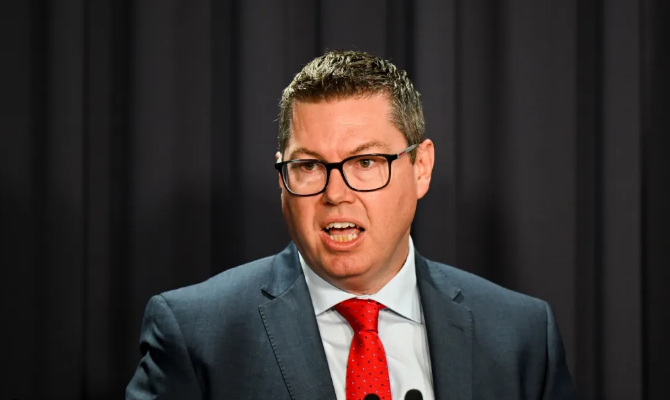
Australian Minister for Pacific Island Affairs and Defence Industry Pat Conroy rejected claims that Australia was weakening its international climate obligations, saying Pacific leaders had recognised Canberra’s efforts to push the region’s concerns onto the global agenda.
In an interview with ABC, Conroy said Pacific leaders had publicly acknowledged the work of Australia’s Climate Change Minister Chris Bowen in trying to secure an agreement at the climate conference.
“Minister after minister that attended went on the public record thanking Chris Bowen for all his efforts to try and achieve an agreement.
“Unfortunately, the COP architecture means you just need one country to veto it and it’s dead in the water. And that’s what happened,” Conroy said.
Conroy said language on transitioning away from fossil fuels remained part of the COP framework following COP28 and stressed that Australia’s commitment to reaching net zero emissions was “absolute”.
He said Australia was meeting its renewable energy goals and emissions reduction targets, while supporting Pacific countries in their efforts to decarbonise.
The comments come amid questions over Australia’s credibility on climate change following criticism of its position on fossil fuel language during negotiations and the failure to secure a final agreement at COP31.
Conroy said climate action was central to Australia’s relationship with Pacific countries and should be treated as a national security issue.
“Climate change action is the ticket to entry to engage in the Pacific.
“If you don’t do that, you’re weak on national security and undermine our safety,” he said.
He also criticised Australia’s opposition Coalition, accusing it of weakening the country’s standing in the Pacific through its climate policies.
The issue remains a major test of Australia’s Pacific engagement, with island countries continuing to call for stronger global action on climate change, including a transition away from fossil fuels and support for vulnerable communities.