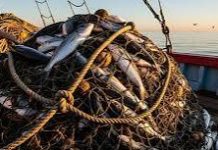



Sharks Pacific is calling for a complete ban on high seas transhipment in the Western and Central Pacific, warning that the practice allows illegal fishing, catch misreporting and labour exploitation while threatening already declining shark populations.
The organisation says transferring catches between fishing vessels on the high seas, outside national jurisdiction, creates opportunities for operators to conceal fishing activities, manipulate catch records and avoid effective monitoring.
High seas transhipment allows industrial fishing vessels to remain at sea for months or even years without returning to port, reducing operating costs and enabling catches to be transferred to carrier vessels for delivery to processing facilities.
However, Sharks Pacific says the lack of effective oversight creates significant risks for fisheries management and marine conservation.
It warns that transhipment can facilitate illegal, unreported and unregulated (IUU) fishing, undermine catch reporting and increase the risk of labour abuses aboard fishing vessels.
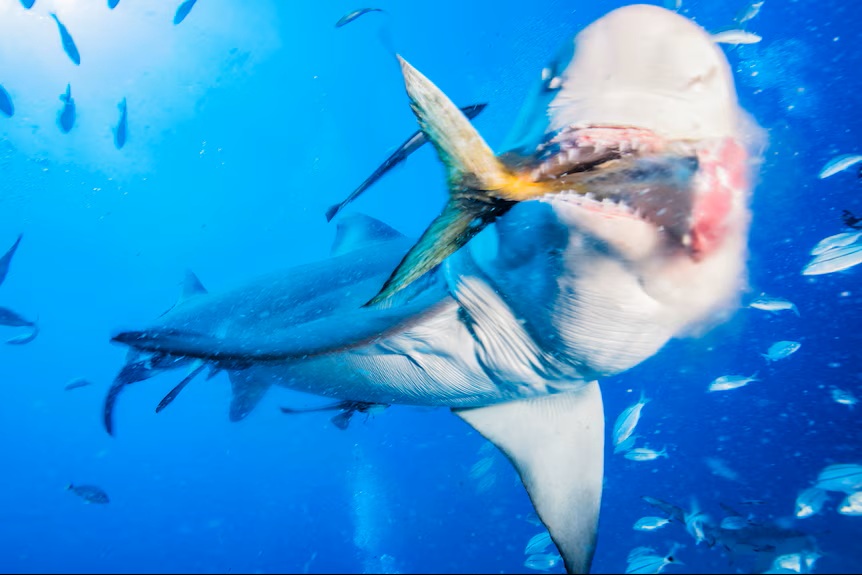
The organisation has raised particular concern about the impact on sharks and rays, which are frequently caught as bycatch in industrial longline fisheries.
Longline vessels use fishing lines carrying thousands of hooks that can stretch for miles, exposing pelagic sharks to accidental capture, entanglement and fatal injuries.
Sharks Pacific says shark and ray populations have declined by 71 percent over the past 50 years, primarily because of overfishing.
It argues that high seas transhipment further threatens conservation efforts by allowing vessel operators to obscure or misreport catches and bycatch.
Under the Western and Central Pacific Fisheries Commission’s (WCPFC) Conservation and Management Measure on the Regulation of Transhipment, high seas transhipment is prohibited, but an exception allows it where it is deemed impracticable for certain vessels to operate without the practice.
Sharks Pacific says the exception has increasingly become the norm, with high seas transhipment growing rather than declining in the Western and Central Pacific Ocean.
The organisation is advocating for a full prohibition, arguing that requiring fishing vessels to tranship within exclusive economic zones or at ports would improve transparency, monitoring and accountability.
It is also supporting research into the economic effects of high seas transhipment on Pacific Island countries and territories, including the implications for regional fisheries and local economies.
Sharks Pacific says consumers can also support efforts to improve fisheries accountability by checking seafood certification through the Marine Stewardship Council and Monterey Bay Aquarium Seafood Watch, asking retailers and restaurants where their fish comes from, and buying seafood from local fishers.
The organisation says stronger oversight of fishing operations is essential to protecting shark populations, reducing illegal fishing and ensuring Pacific fisheries are managed sustainably.