


Guam and the Northern Mariana Islands face an increased risk of drought in early 2027 as a potentially historic El Niño develops, following five typhoons that have affected the U.S Pacific territories since April.
The United States National Oceanic and Atmospheric Administration’s(NOAA) Climate Prediction Centre says a strong to very strong El Niño is likely to persist through January to March 2027, with better-than-even odds of becoming one of the strongest events since 1950.
The U.S Geological Survey says the most significant drought impacts for Guam and Saipan have historically occurred in the year after an El Niño begins, pointing to increased risks in early to mid-2027.
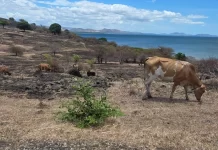
Drought conditions are already developing across the region, while fire danger on Guam has reached the high category as vegetation dries out, the National Weather Service office in Guam said on 18 November.
The weather office has advised residents with low or empty water catchments to collect rainwater when showers occur.
“The risk for late-season tropical cyclones remains elevated through the end of the year,” said Marcus Landon Aydlett, the office’s warning coordination meteorologist.
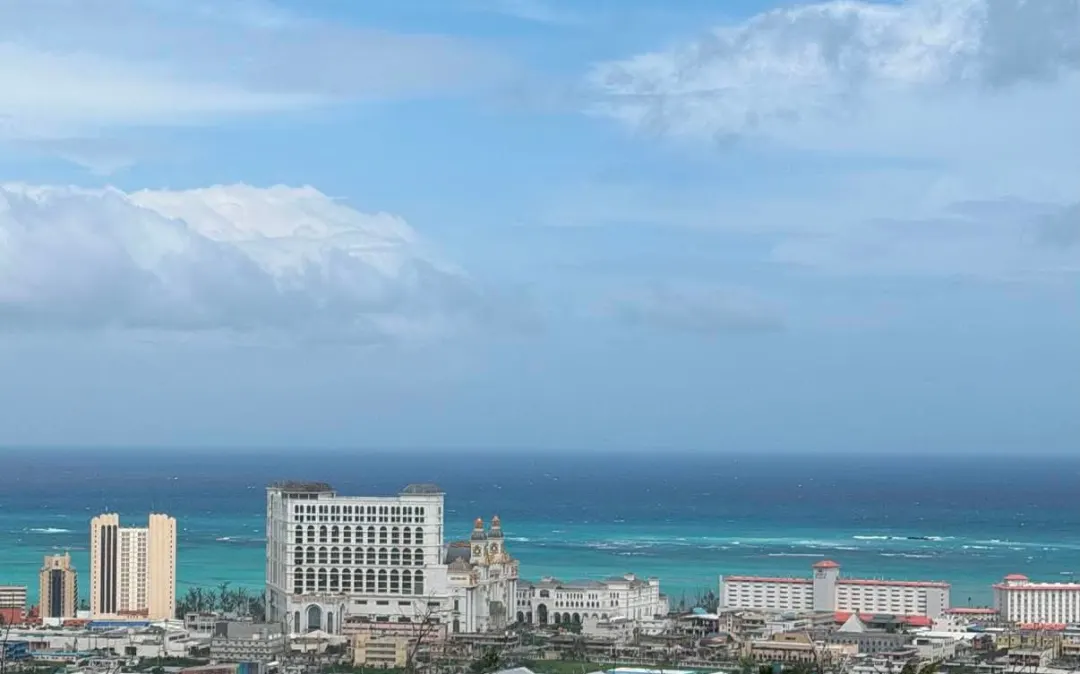
The outlook comes as the islands continue recovering from five typhoons since April, including two powerful storms that caused extensive damage and disrupted water and electricity supplies.
Super Typhoon Sinlaku struck Saipan on 14 April with sustained winds of 150 miles per hour at landfall. The storm overturned vehicles, toppled utility poles, flooded Saipan’s only hospital and cut power and water supplies across Saipan and Tinian.
Eighty-three days later, on 06 July, Super Typhoon Bavi made a direct hit on Rota with winds of 180 miles per hour.
Rota Mayor Aubry Hocog said the island had been damaged in “every aspect”, with most homes damaged or destroyed and about 2,000 residents left without electricity or running water.
The U.S Geological Survey estimates the two storms caused about US$1.5 billion in initial damage.
Three further typhoons affected the region. Typhoon Saudel passed close to Agrihan in August, while Super Typhoon Champi passed within about 12 miles of Guam’s southern tip on 18 October. Super Typhoon In-fa reached Category 4-equivalent strength before passing directly over Agrihan on 30 October.
The U.S Geological Survey says El Niño can shift typhoon formation eastward, increasing storm risks for Guam and the Northern Mariana Islands. It has recommended that authorities prepare for drought in 2027 by pre-positioning water and essential supplies.
The agency also warned that recovery operations can introduce invasive species through relief cargo. Wildlife officials in the Northern Mariana Islands confirmed two encounters with invasive brown tree snakes linked to relief shipments following Typhoon Bavi.
El Niño can also lower sea levels in the northwestern tropical Pacific. Guam typically experiences a significant drop from about July through March, increasing the risk of coral bleaching when lower sea levels coincide with warmer water.
However, the islands can also experience cooler ocean temperatures during El Niño.
The outlook for American Samoa is less clear, with the U.S Geological Survey describing the territory’s response to El Niño as the most uncertain in the region.
Some analyses indicate an increased cyclone risk between November and January, while others show little sensitivity to El Niño conditions.
Sea levels in American Samoa generally fall about six months after declines occur in the northwestern Pacific.
The territory is also experiencing a long-term increase in flooding around Pago Pago, where the number of days with minor flooding has risen from almost zero to more than 100 days annually, according to the Geological Survey.
The South Pacific cyclone season is already active. Severe Tropical Cyclone Xavier intensified to Category 5 this month about 900 kilometres northeast of Apia, Samoa, prompting warnings in the northern Cook Islands and Tokelau.
The U.S Climate Prediction Centre is scheduled to issue its next El Niño update on 10 December.