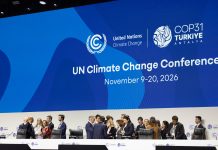
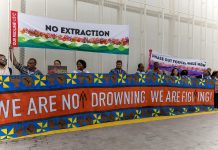
Climate campaign group 350.org has accused Australia and Türkiye of failing Pacific nations after COP31 ended without agreement on a clear pathway to transition away from fossil fuels or deliver climate finance for vulnerable countries.
The organisation said the failure to reach a final agreement exposed the influence of fossil fuel interests in the negotiations and left developing countries without the financial commitments needed to respond to worsening climate impacts.
350.org said countries had rejected a proposed political text that failed to adequately address fossil fuels, climate finance and the risks of relying on carbon capture technologies.
However, it warned that avoiding what it described as a bad deal was not a victory, with governments still failing to translate commitments on transitioning away from coal, oil and gas into concrete action.
Fenton Lutunatabua, 350.org Pacific Lead, said Australia’s failure to secure a clear fossil fuel transition plan was a betrayal of its commitments to Pacific countries.
‘Australia told Pacific nations, we have your back. But with no clear exit plan for coal, oil, and gas, Australia has stabbed us in the back,” Lutunatabua said.
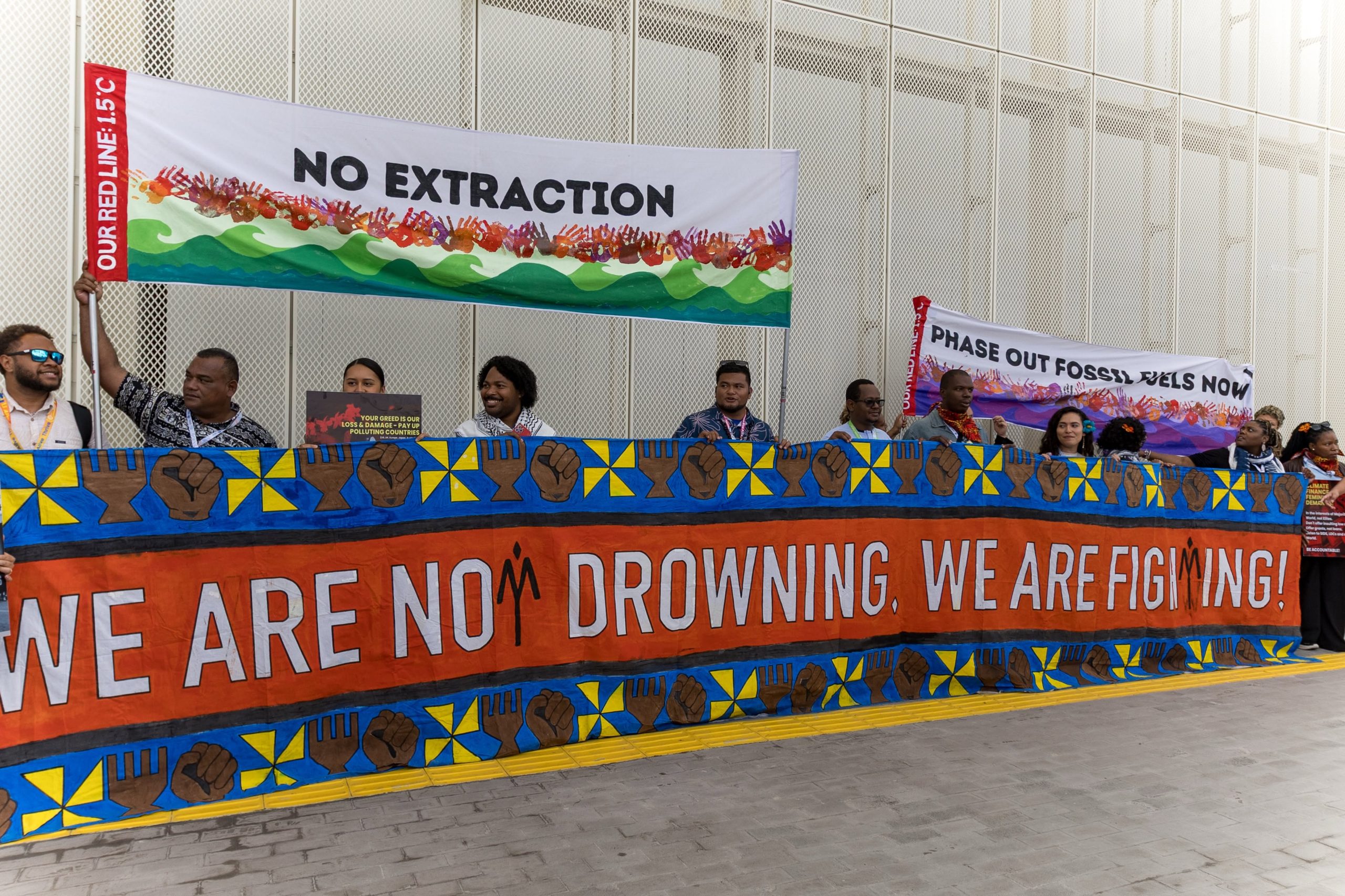
He said the failure to address fossil fuels and secure adequate climate finance threatened the survival of Pacific Island communities already experiencing the impacts of climate change.
‘Our islands face an existential threat, but the countries responsible for this crisis have failed to commit to the one thing that can stop it,” he said.
Lutunatabua criticised attempts to include carbon capture and storage in the negotiating text while failing to secure stronger commitments to phase out fossil fuels.
“You cannot claim to protect the future while allowing the fossil fuel industry to destroy it,” he said.
He said Pacific communities had demonstrated climate leadership but governments had failed to match that with meaningful action.
350.org Head of Campaigns and Networks Savio Carvalho said countries had avoided a worse outcome by resisting pressure from the fossil fuel industry, but the summit had still failed to deliver a clear plan to end dependence on coal, oil and gas.
“We averted a truly bad outcome because many countries stood up to the fossil fuel industry and rejected dangerous distractions. But we still left COP31 without a clear plan to exit coal, oil, and gas,” Carvalho said.
He said there was also no substantial financial support for countries already facing climate impacts.
Carvalho called on governments to show stronger leadership in the year before COP32, saying efforts to end fossil fuel dependence must continue beyond the annual climate negotiations.
350.org Policy Analyst Fanny Petitbon said rejecting the proposed political text had prevented the adoption of an outcome that could have elevated carbon capture as a response to climate change.
However, she said the summit had failed to convert political support for transitioning away from fossil fuels into concrete commitments.
Petitbon also criticised wealthy countries for failing to provide adequate climate finance while governments continued to spend heavily on fossil fuel subsidies.
“Governments are spending more than US$1 trillion on fossil fuel subsidies. Yet when it came to communities living through droughts, heatwaves and floods, rich nations offered loose change,’ she said.
“If governments can find a trillion dollars for polluters, they can find the money for people.”
She called for taxes on fossil fuel companies’ profits to finance climate adaptation, protect vulnerable communities and expand affordable renewable energy.