Papua New Guinea is scaling up drought assistance for at least 680,000 people as El Niño threatens to worsen food and water insecurity across the Asia-Pacific region, the United Nations has warned.
The PNG Government, with support from the UN and humanitarian partners, is preparing assistance covering water, food, nutrition and health services as rainfall shortages and extreme weather threaten vulnerable communities.
A new analysis by seven UN agencies warns that humanitarian conditions across Asia and the Pacific are expected to deteriorate over the next six months, with El Niño forecast to reach its peak in December.
The analysis identifies Papua New Guinea and Tonga among the countries of particular concern, alongside Myanmar, the Philippines and Timor-Leste.
The UN said drought, flooding and extreme heat were combining with rising food, fuel and fertiliser costs to increase pressure on communities already facing humanitarian challenges.
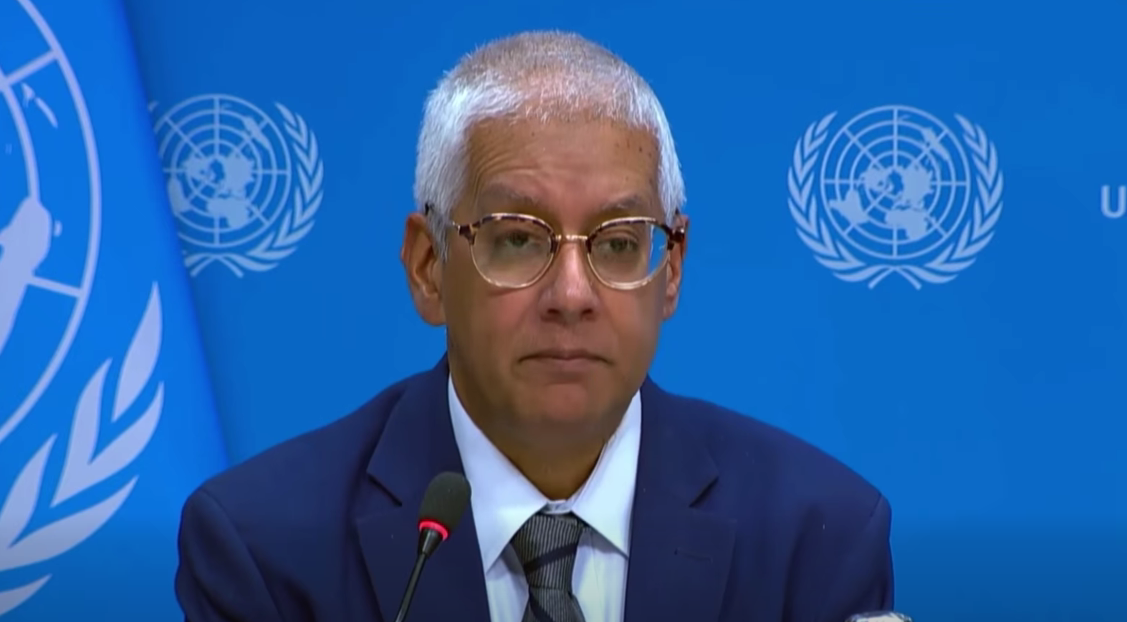
“Drought and extreme weather are already worsening food and water insecurity for millions of people,” the UN said in its daily press briefing on Tuesday.
It warned that rainfall shortages as El Niño approaches its expected peak could disrupt agriculture and livelihoods, with impacts varying across the region.
The report estimates that 190 million children across the region are exposed to unusually dry or wet conditions, putting their access to food, safe water, healthcare and education at greater risk.
The UN warned that the consequences would unfold in three waves, as changing weather patterns compound existing humanitarian pressures and increase the risk of food shortages.
Pacific countries are also facing varying rainfall outlooks, with the UN analysis identifying the potential for severe or persistent rainfall deficits in Fiji, Samoa, the Federated States of Micronesia, the Marshall Islands, southern Tuvalu, Niue, Solomon Islands, Vanuatu, Palau and Tonga.
By contrast, Kiribati, Nauru and parts of Tuvalu are forecast to experience wetter-than-normal rainfall.
The UN said it was working with governments and humanitarian partners across the region to strengthen preparedness and support responses to the impacts of El Niño.
The latest warning highlights the vulnerability of Pacific Island countries to changing rainfall patterns, particularly where communities depend on rain-fed agriculture, local water supplies and subsistence livelihoods.